


Metz
(vero;2026-Feb-20)
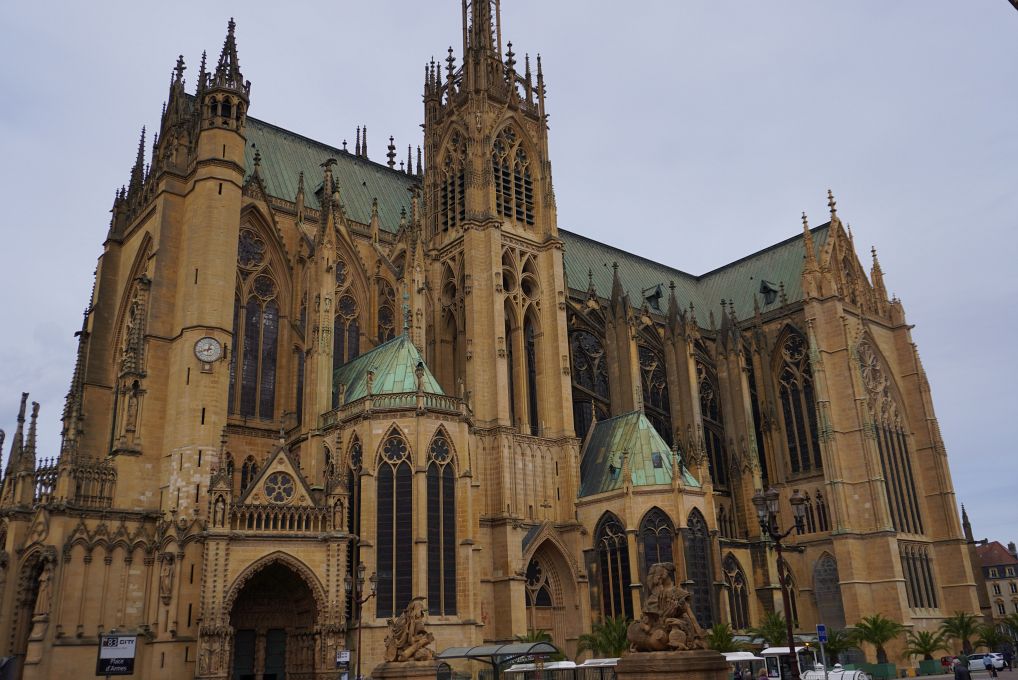
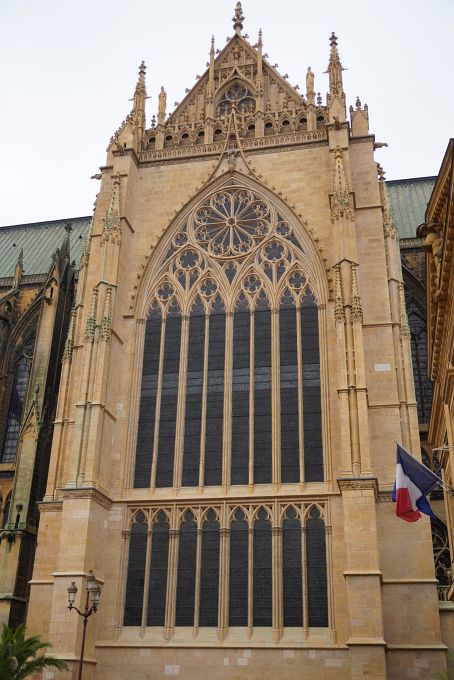
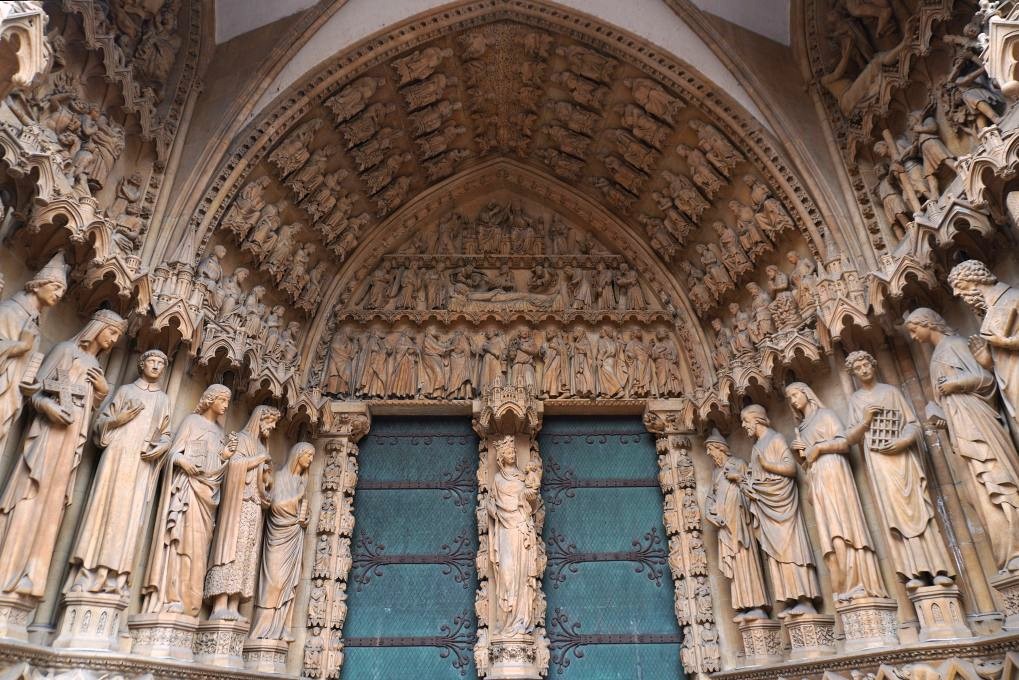
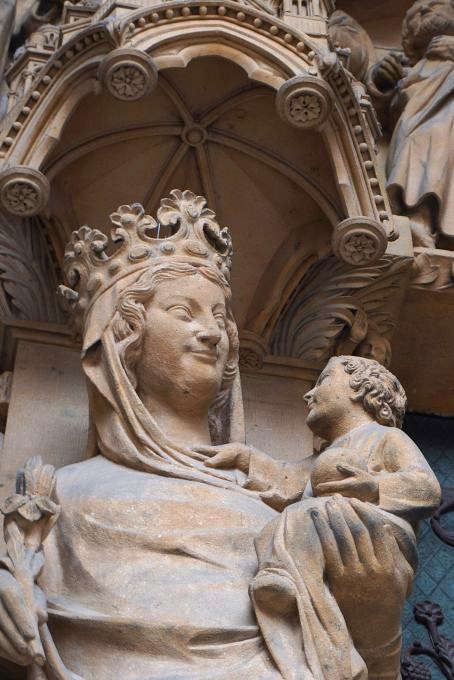
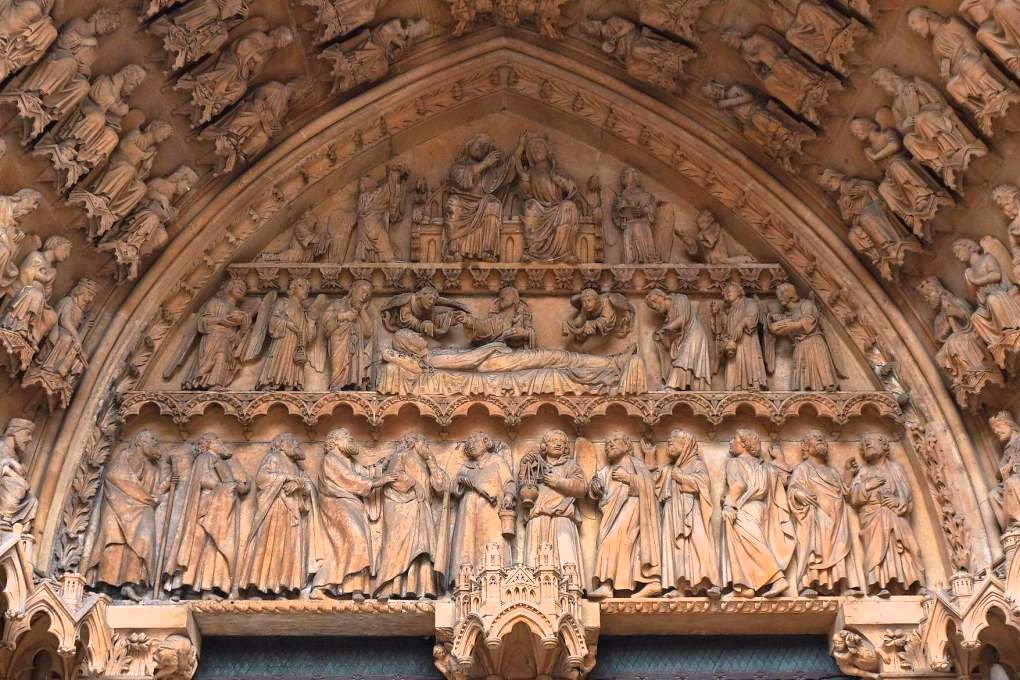
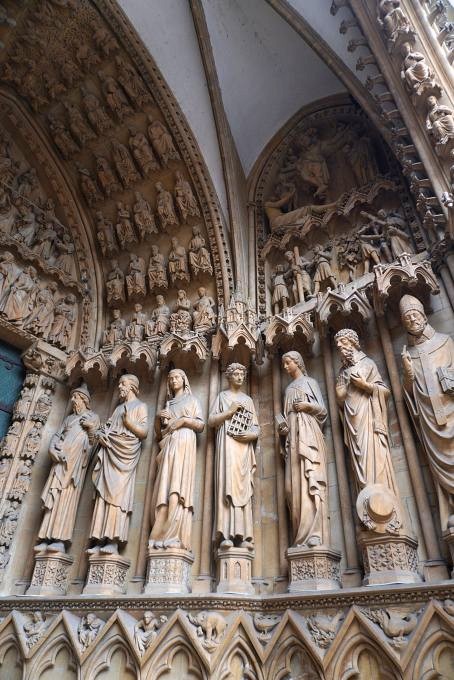
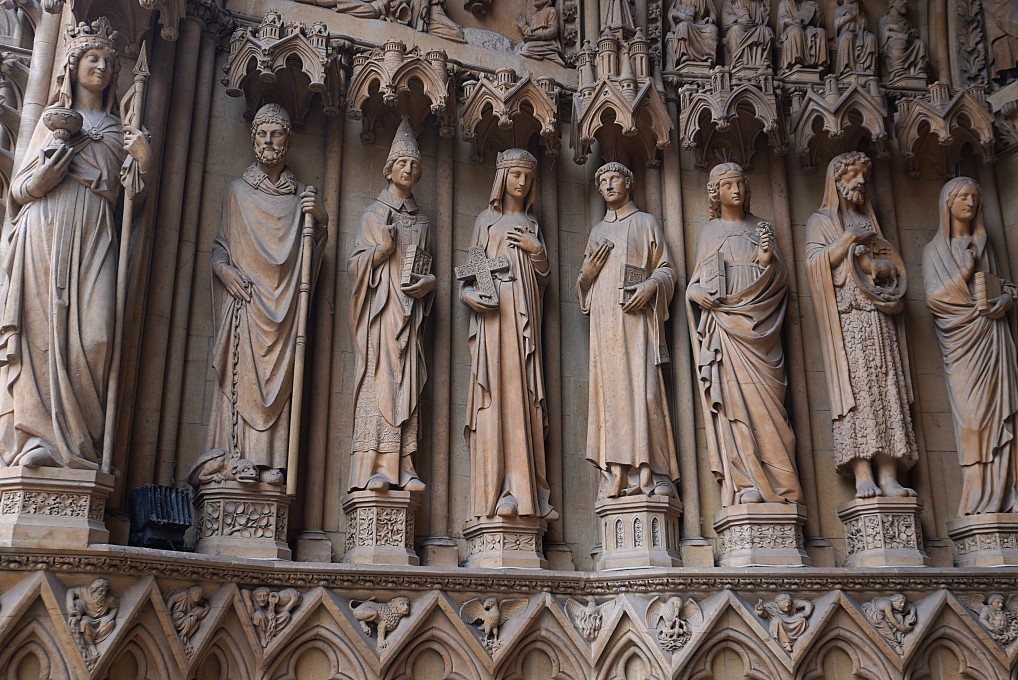
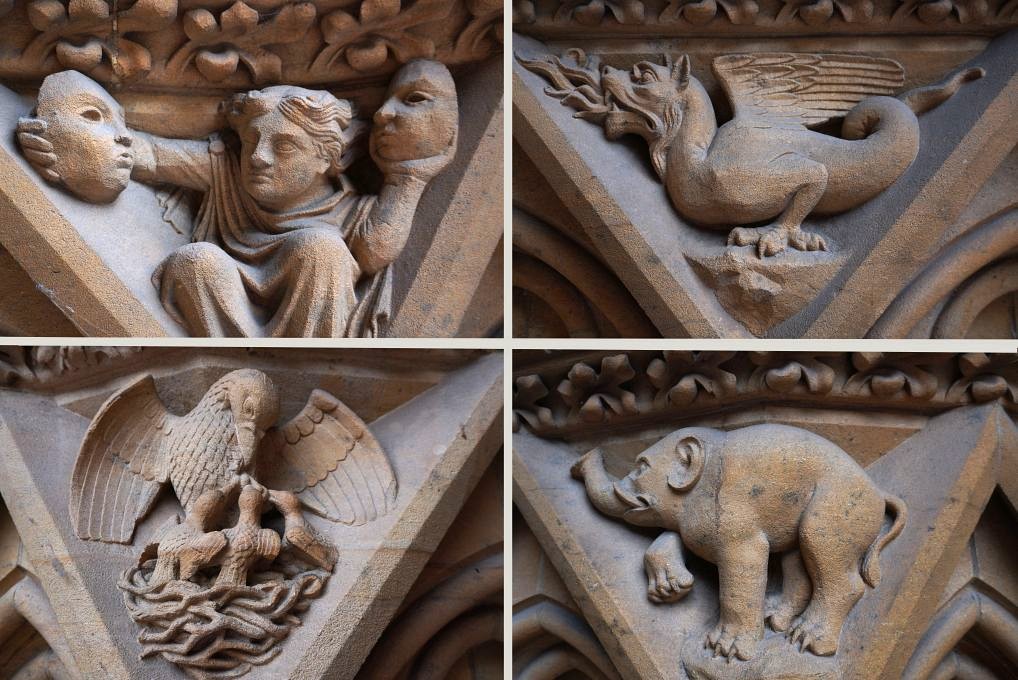
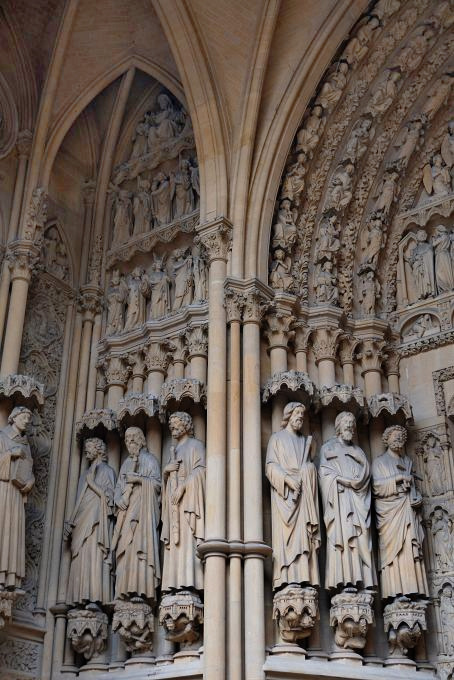
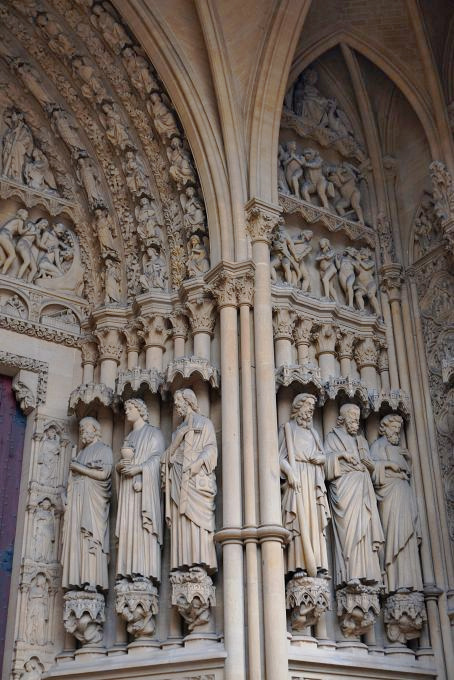
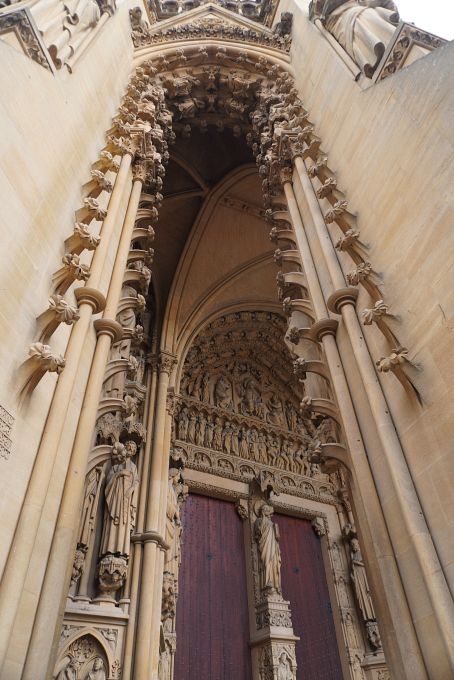
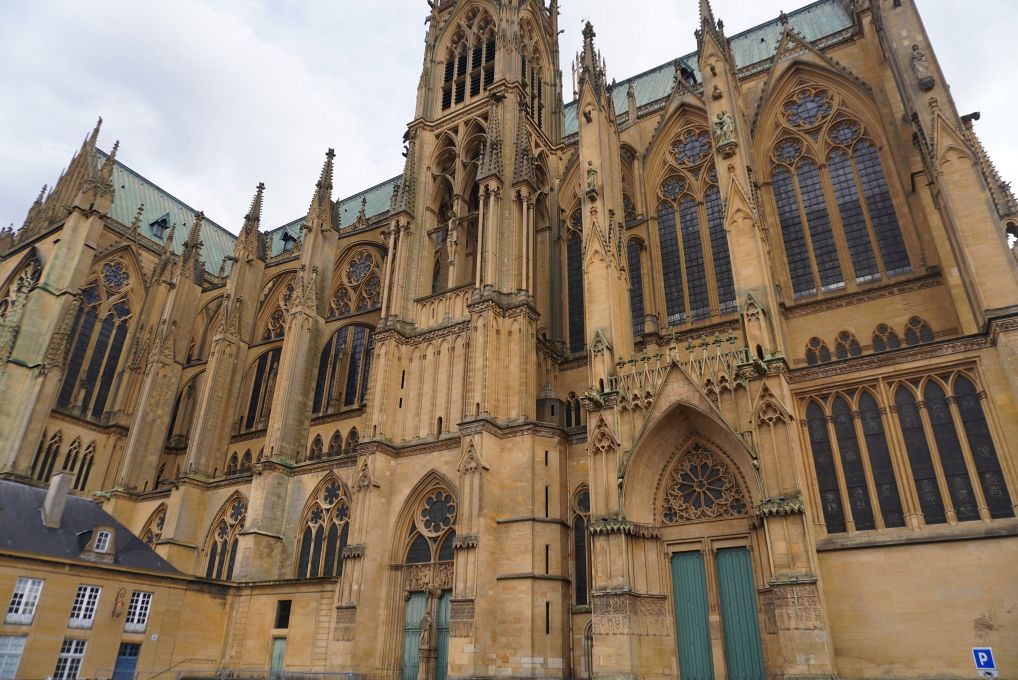
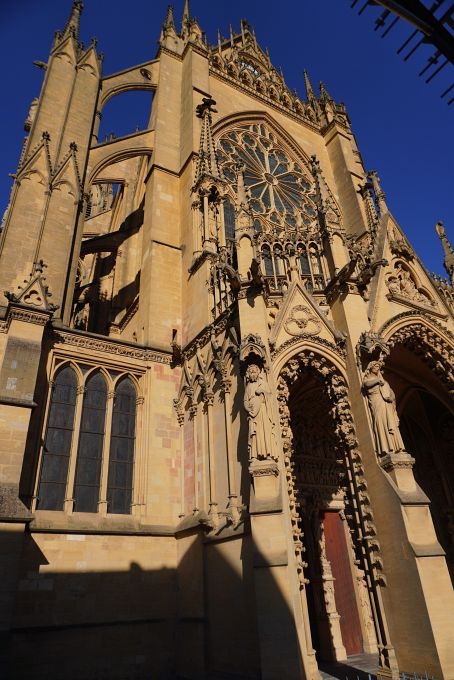
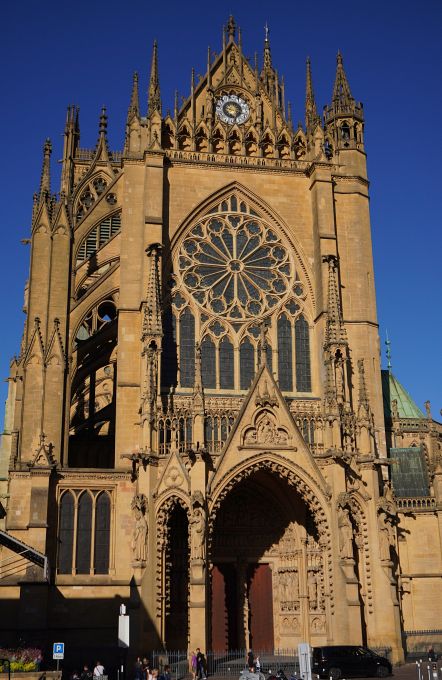
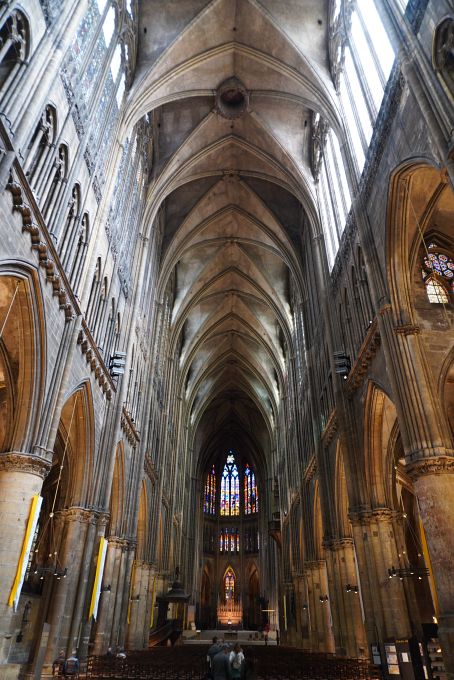
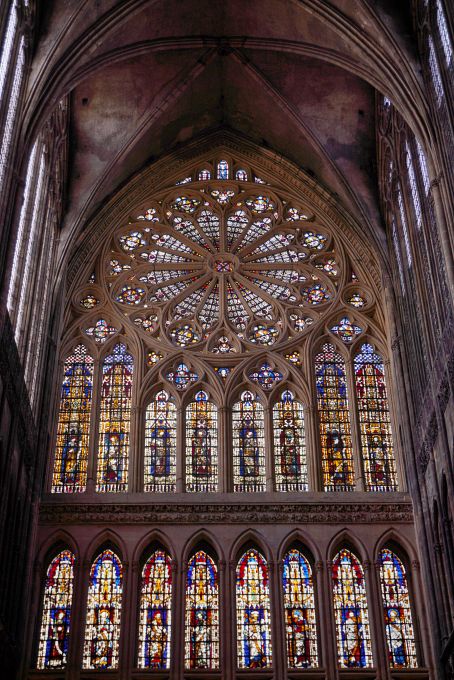
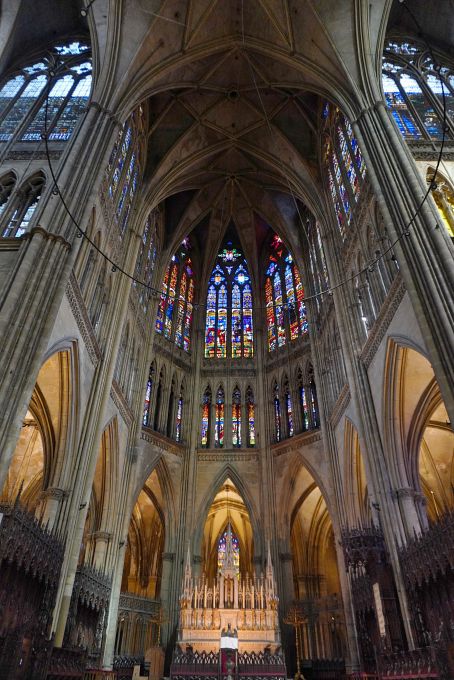
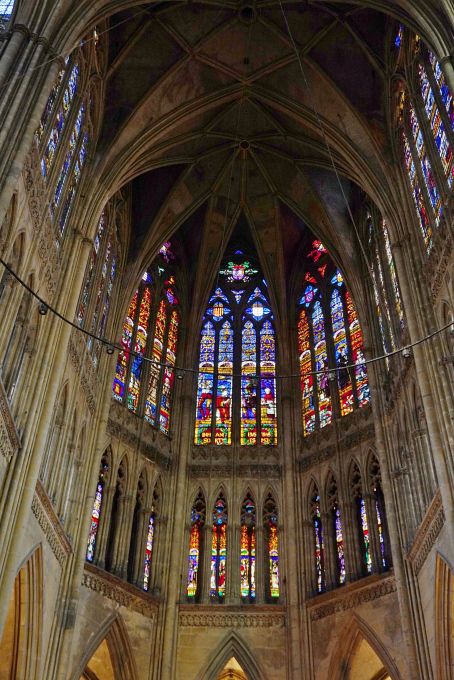
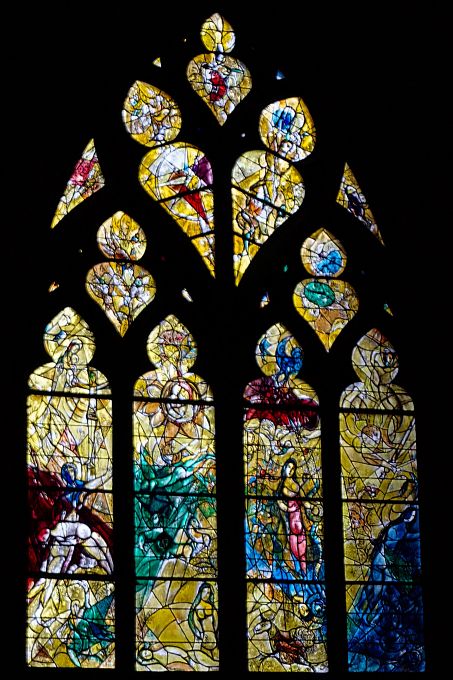
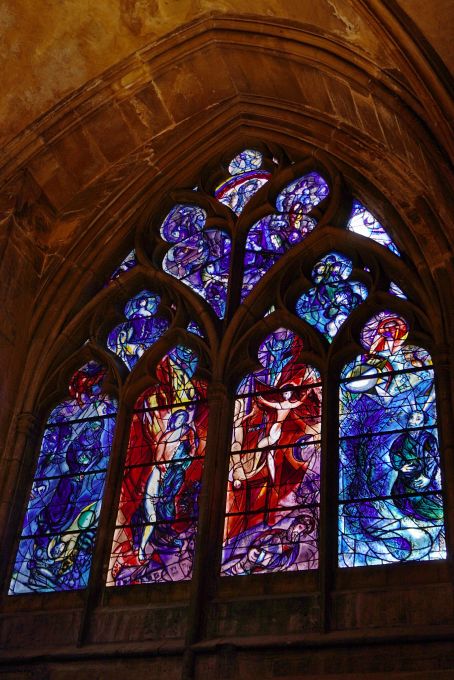
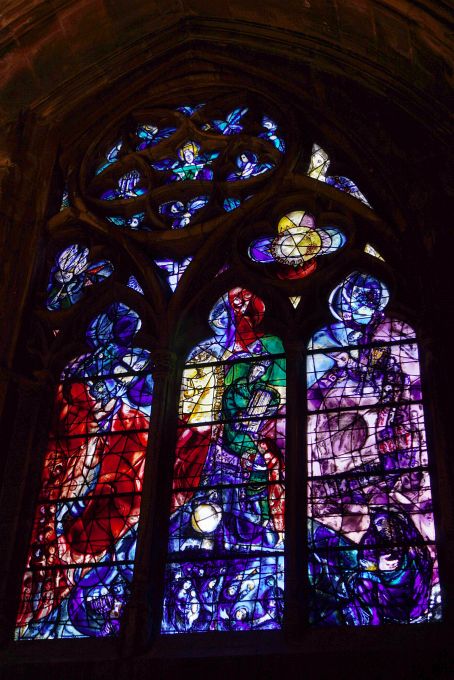
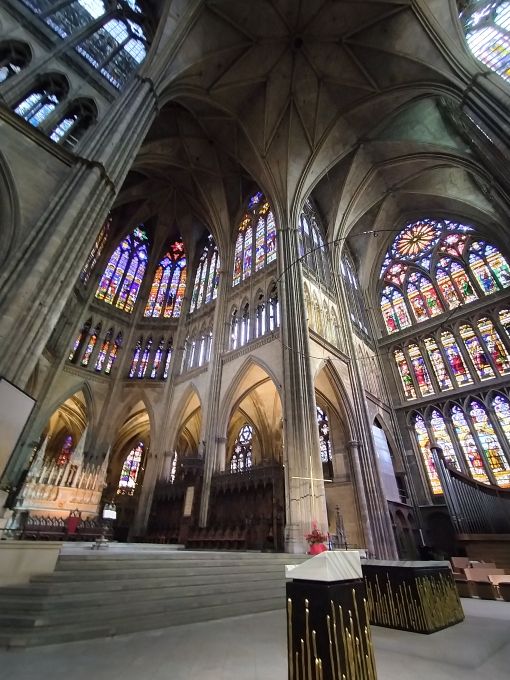
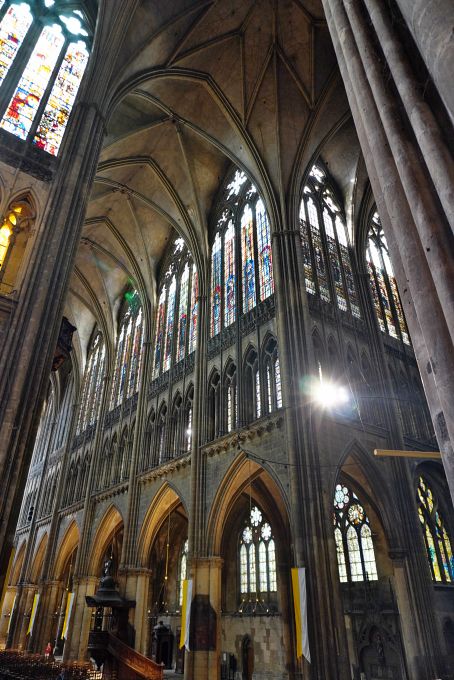
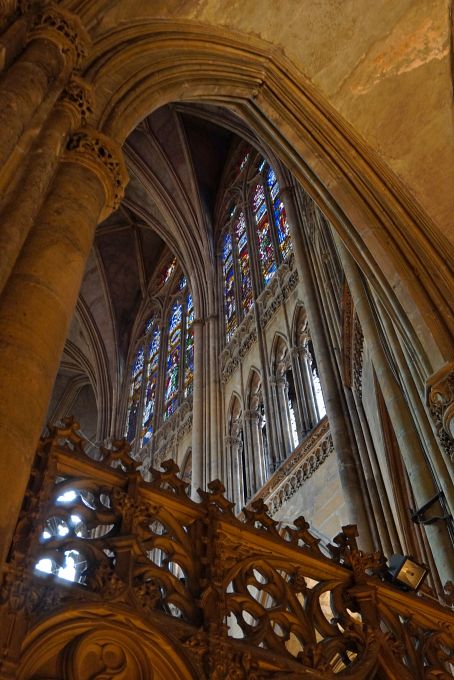
We liked Metz very much. The city has a pleasant, albeit a little austere, atmosphere with many interesting walks and monuments, a first-class museum and one of the most beautiful Gothic cathedrals in France.
Metz started life as a Celtic oppidum and became part of the Roman Empire under the name of Divodurum Mediomatricorum after Caesar's conquest of the Gaul. At the confluent of two rivers, the Moselle and the Seille, the town was an important staging point at the junction of several Roman roads and became one of the principal towns of Gaul. Later on, from the end of the 3rd century onwards, it fell prey to several attacks from invading tribes, among others the hordes of Attila the Hun who sacked the city in 451 AD. So near to the border of mighty realms, the city has long been subjected to conflicts and torn between German and French influence. After the partition of the Carolingian Empire in 843, Metz became the capital of the kingdom of Lotharingia and part of the Holy Roman Empire. The town was eventually attached to France in 1552 after the signature of the Treaty of Chambord between the Holy Roman Emperor Charles V and the French King Henri II and remained so until the Franco-Prussian war of 1870-71 when both Alsace and Lorraine were annexed by Germany, rejoining France at the end of WWI in 1918, only to be re-annexed again during WWII from June 1940 to November 1944.
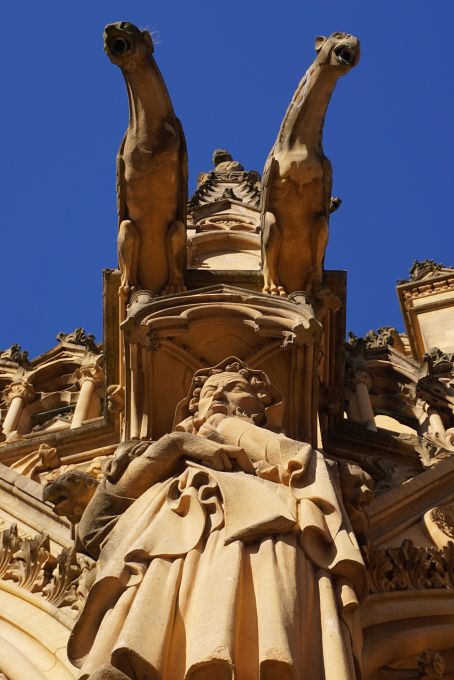
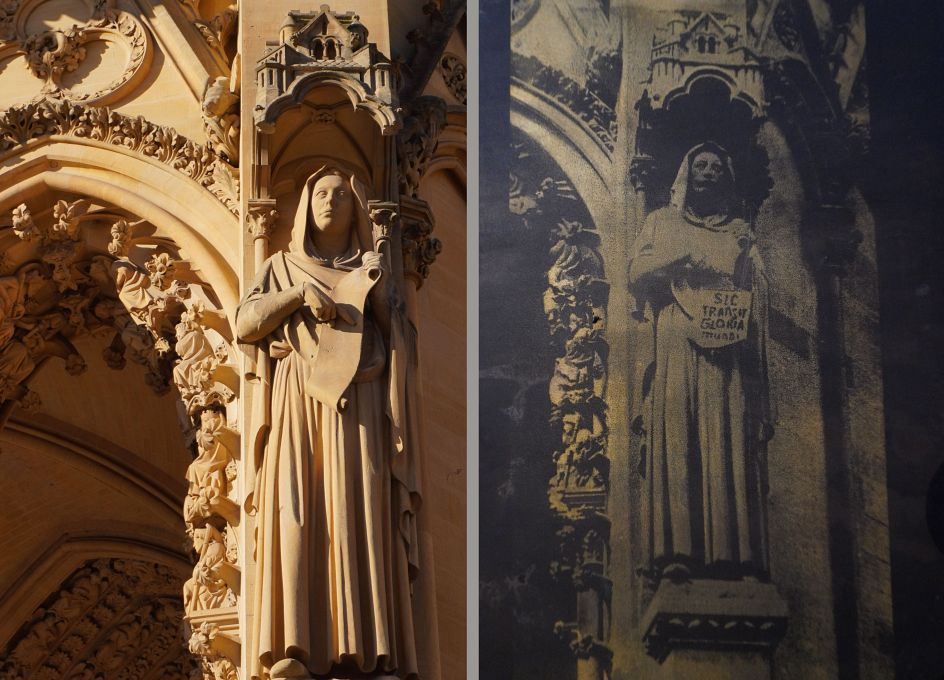
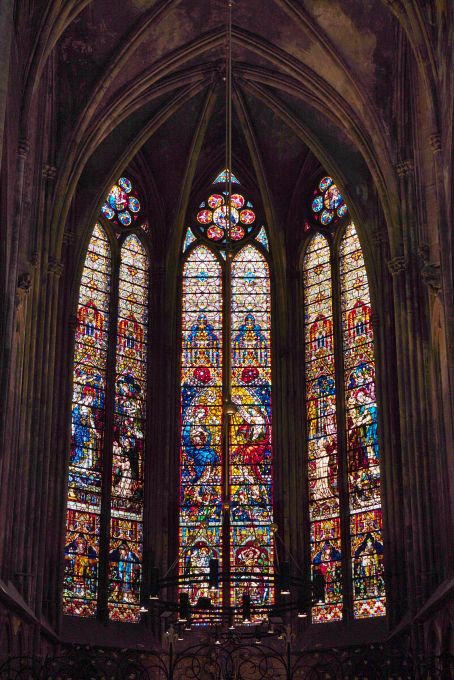
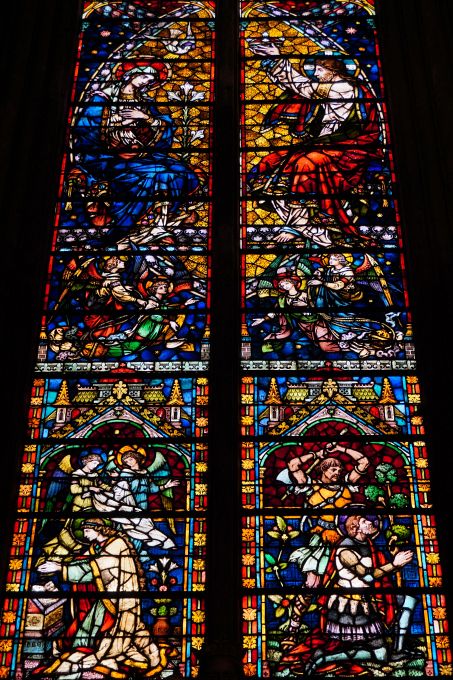
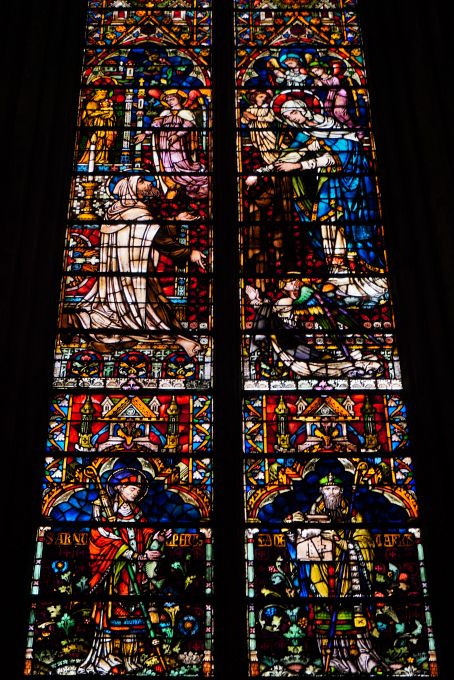
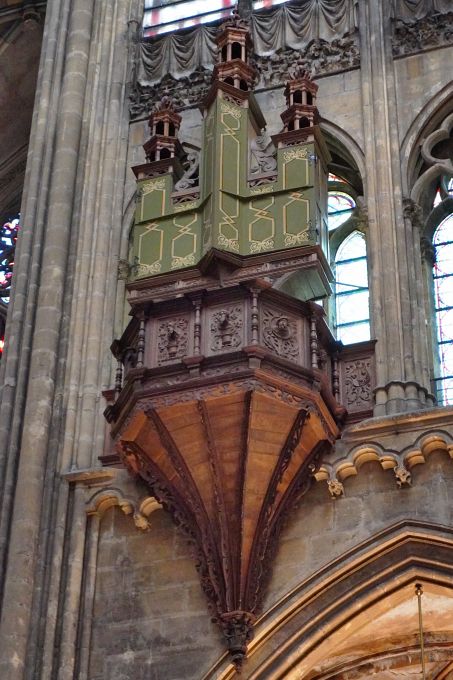
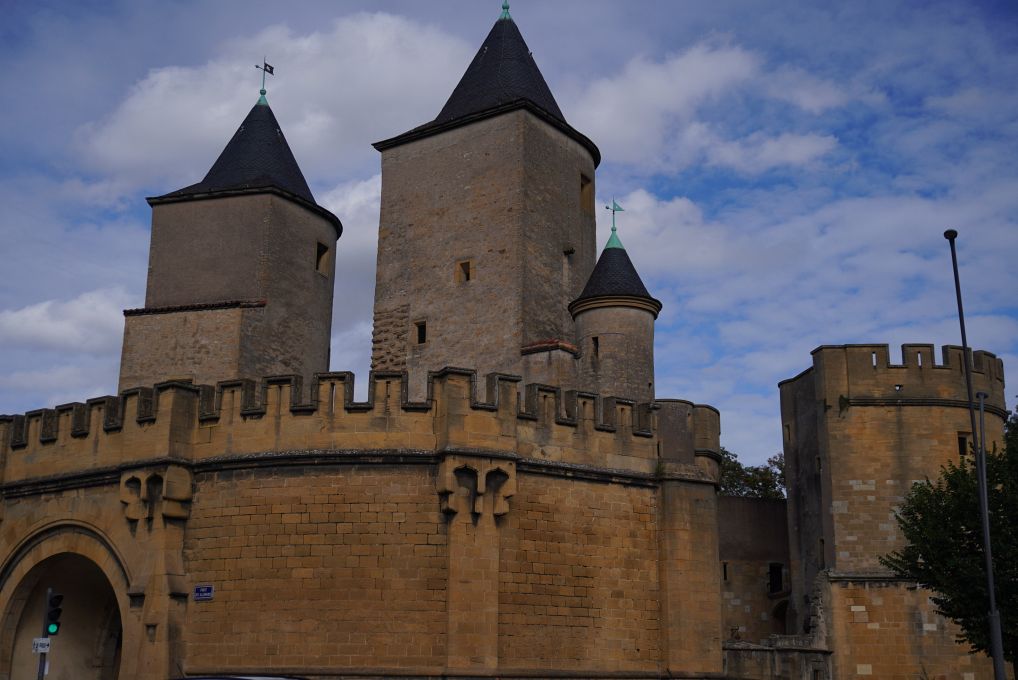
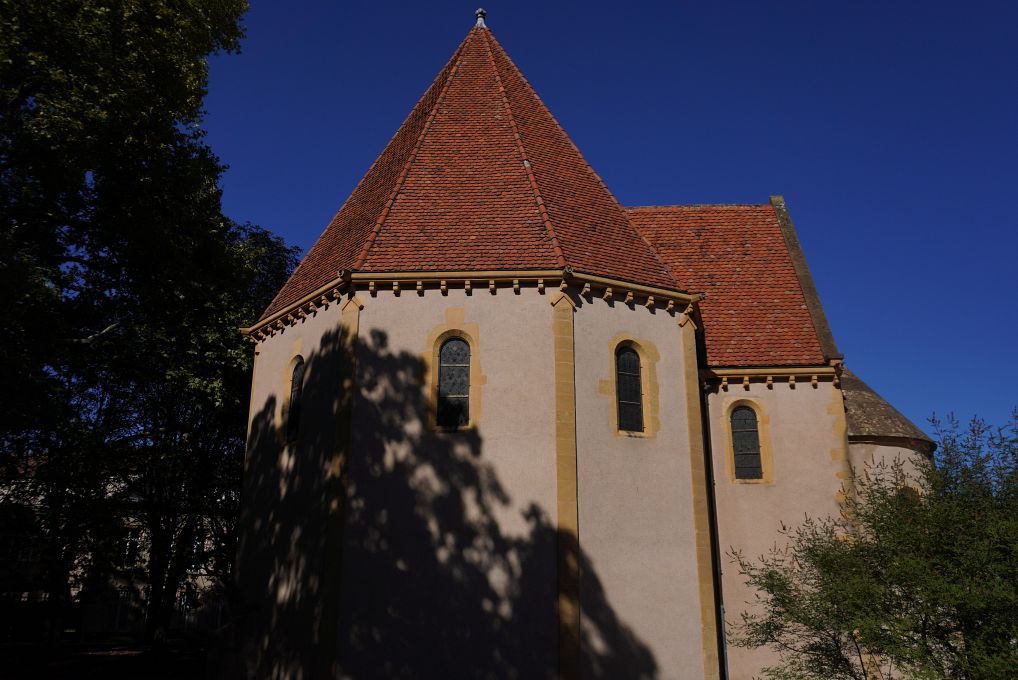
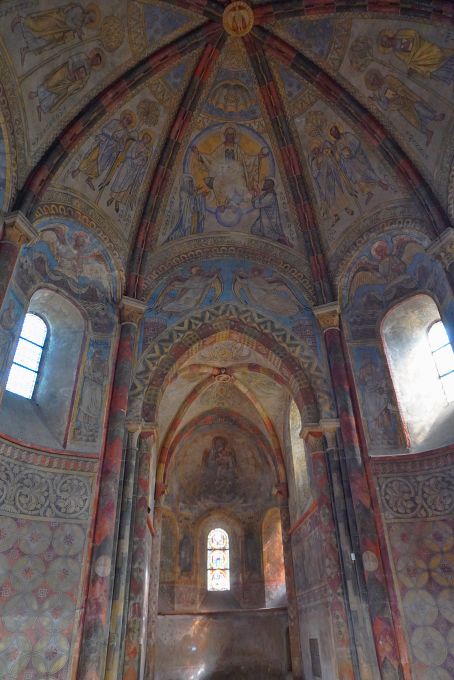
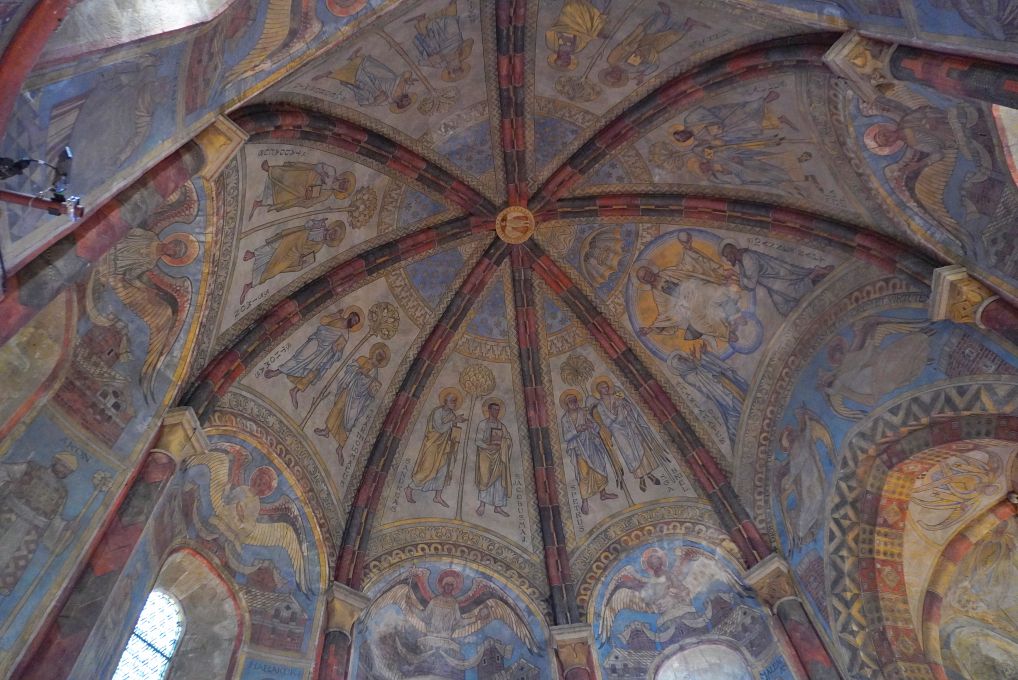
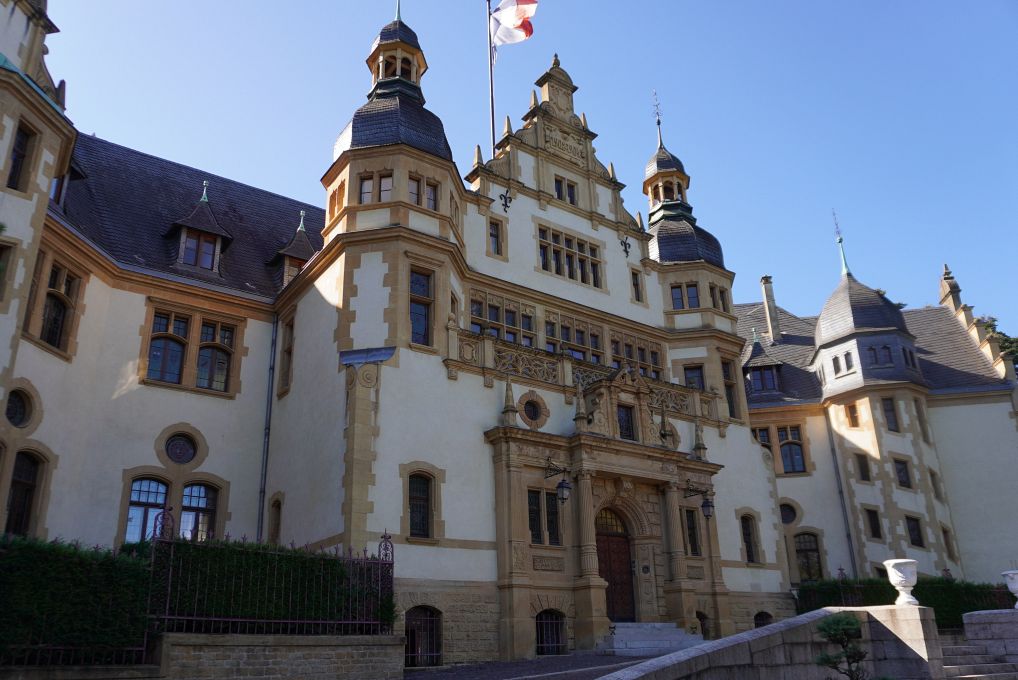
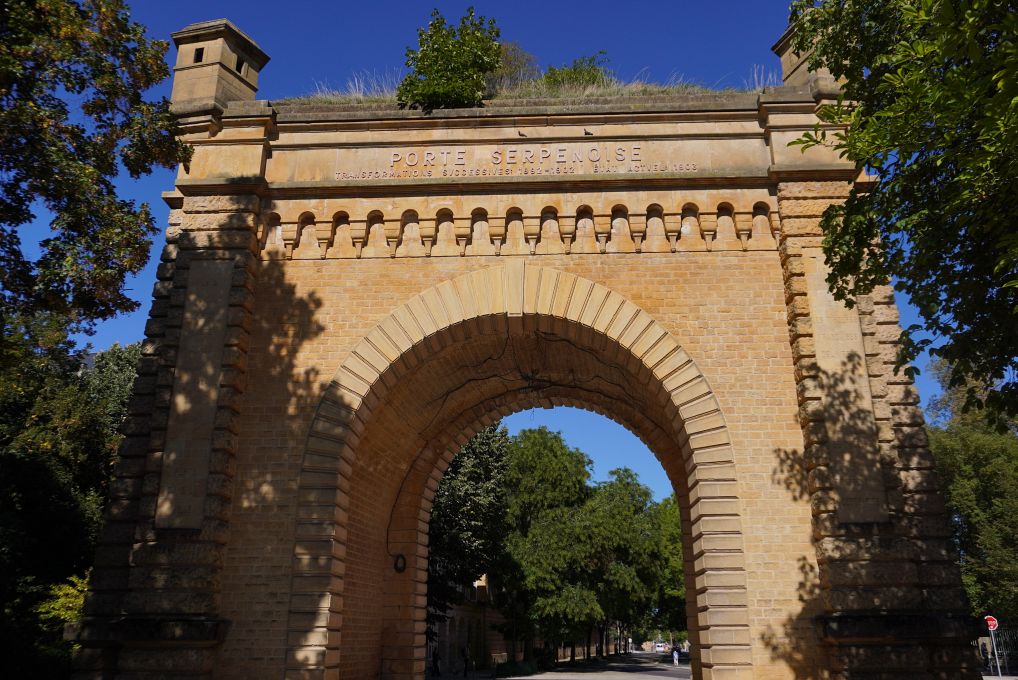
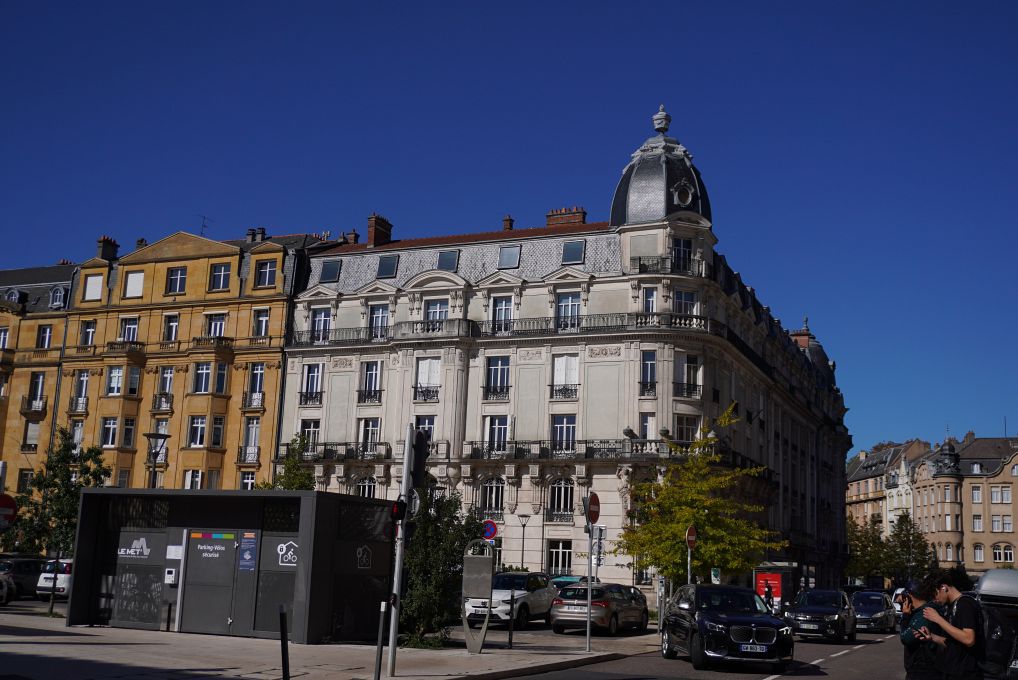
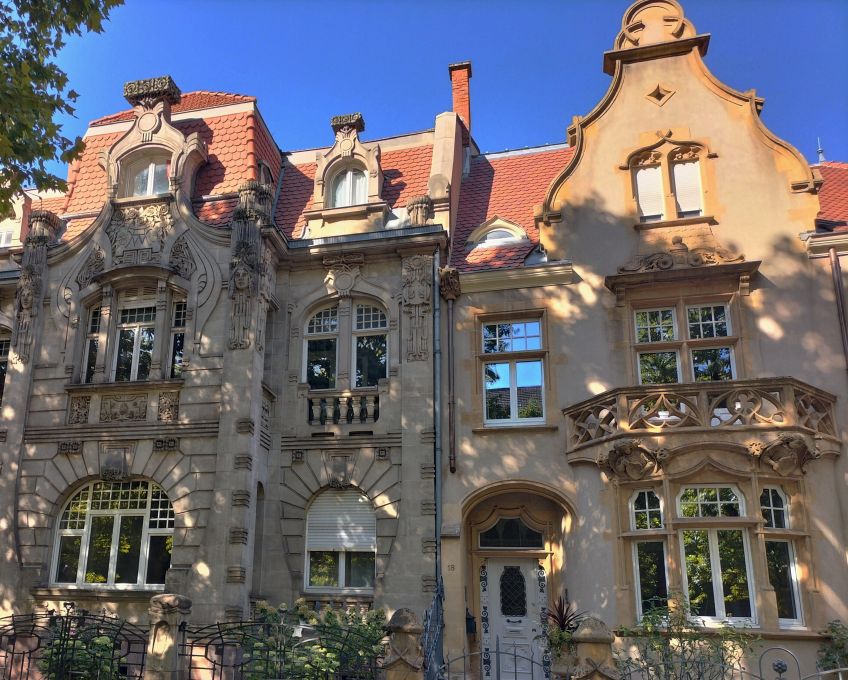
We have two photo galleries, one for the Cathedral Saint-Étienne and the second underneath for some glimpses of the city of Metz (focused on the Imperial City).
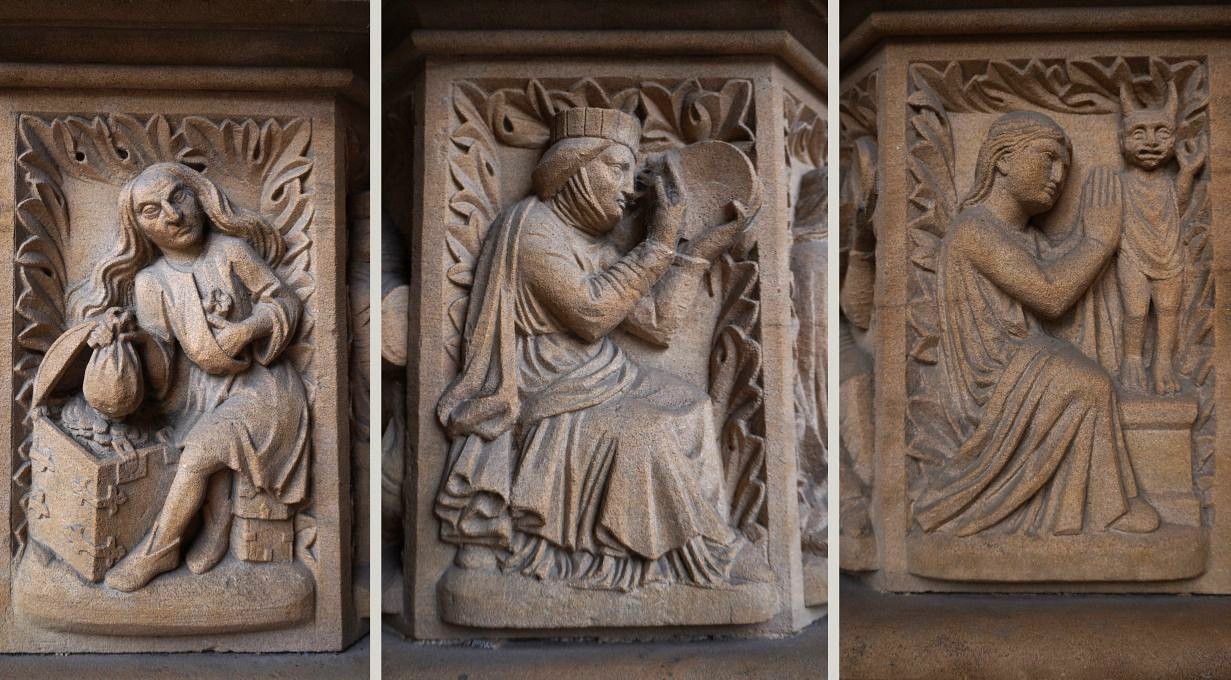
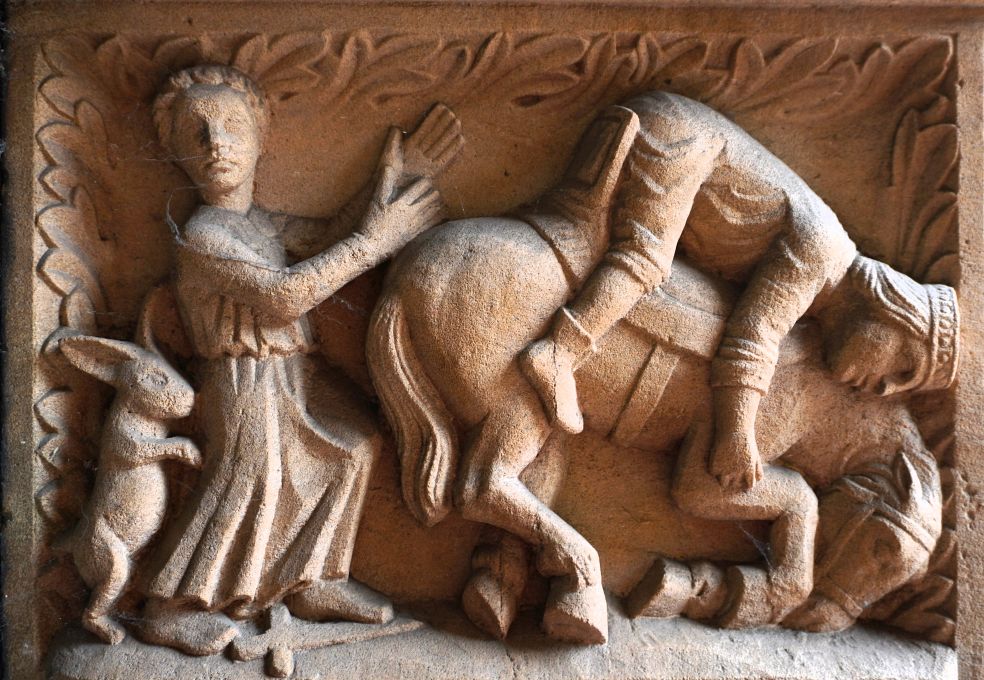
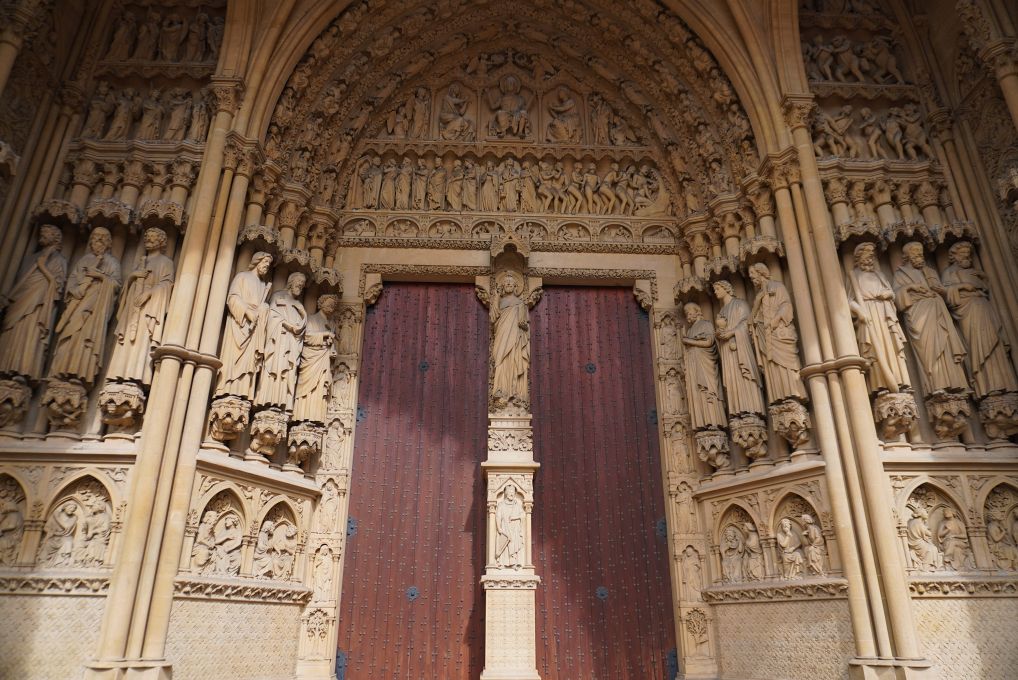
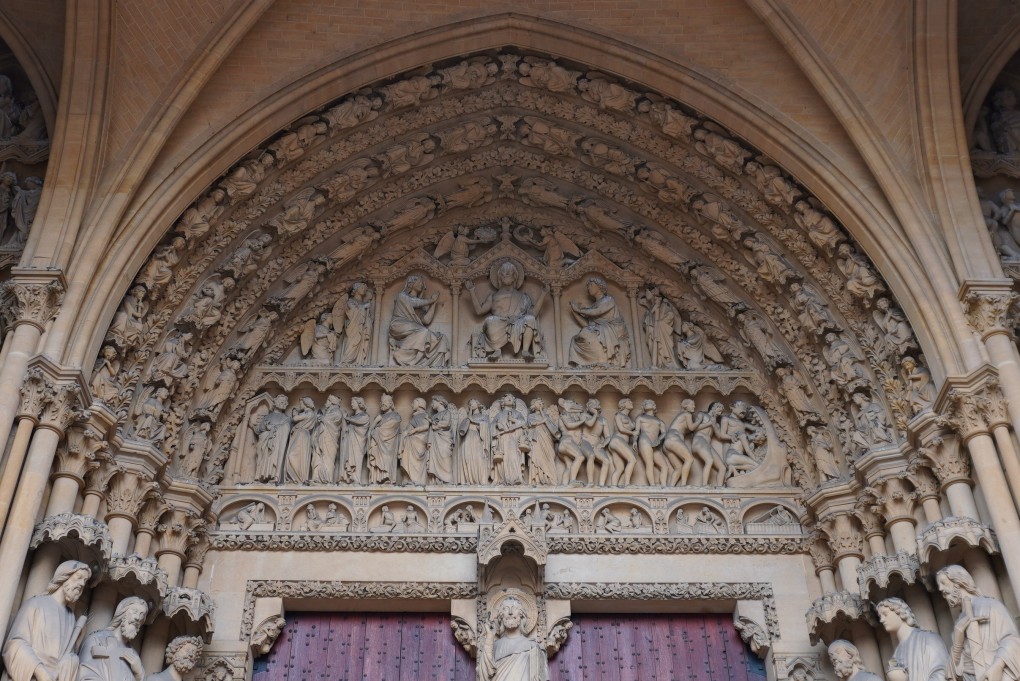
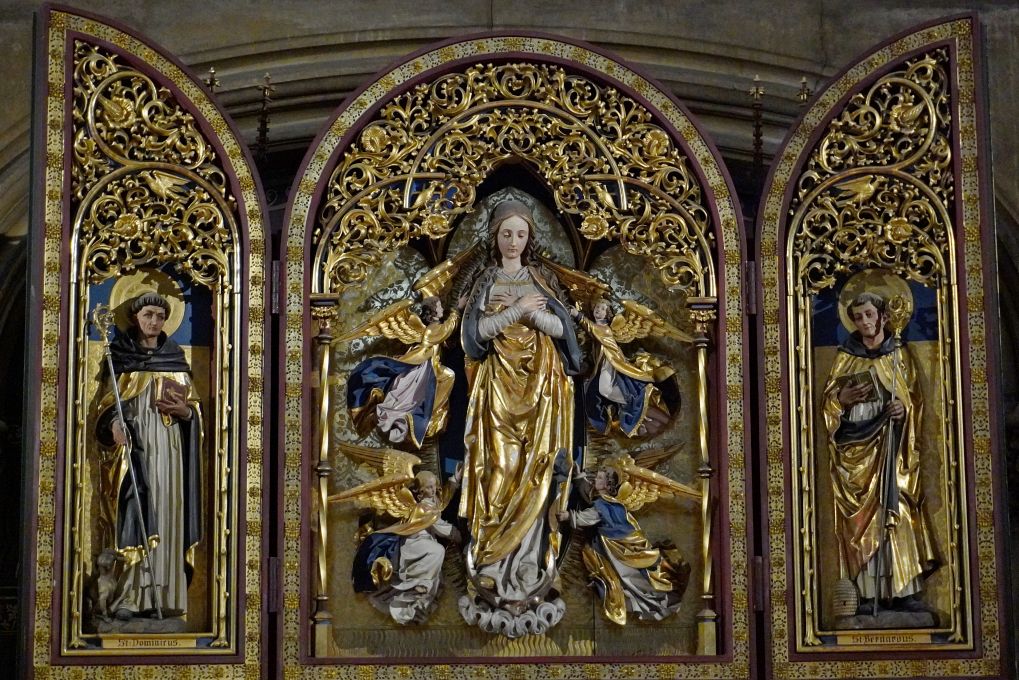
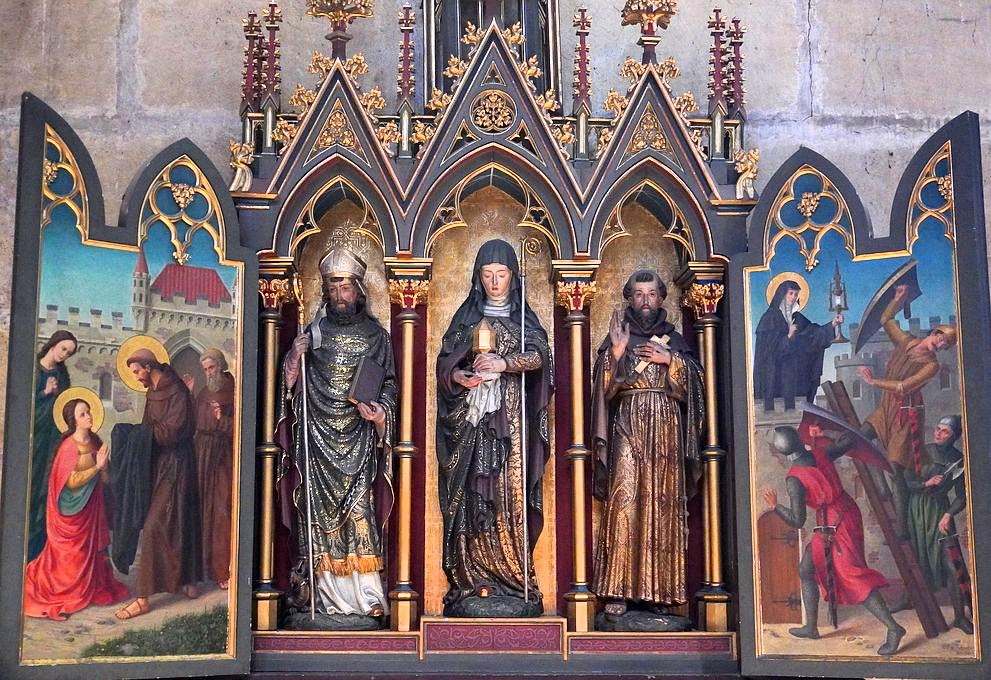
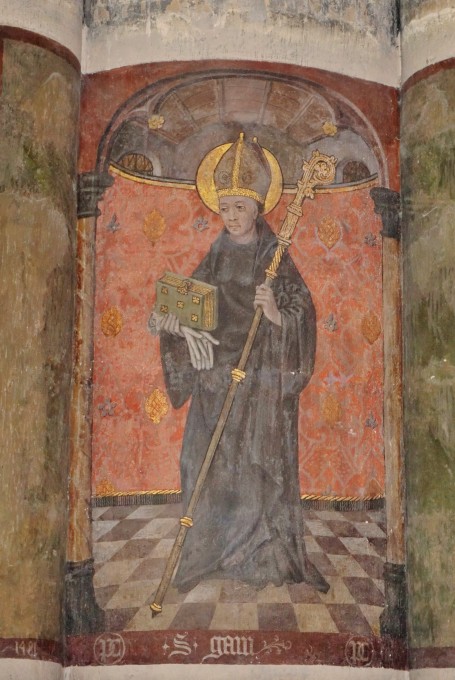
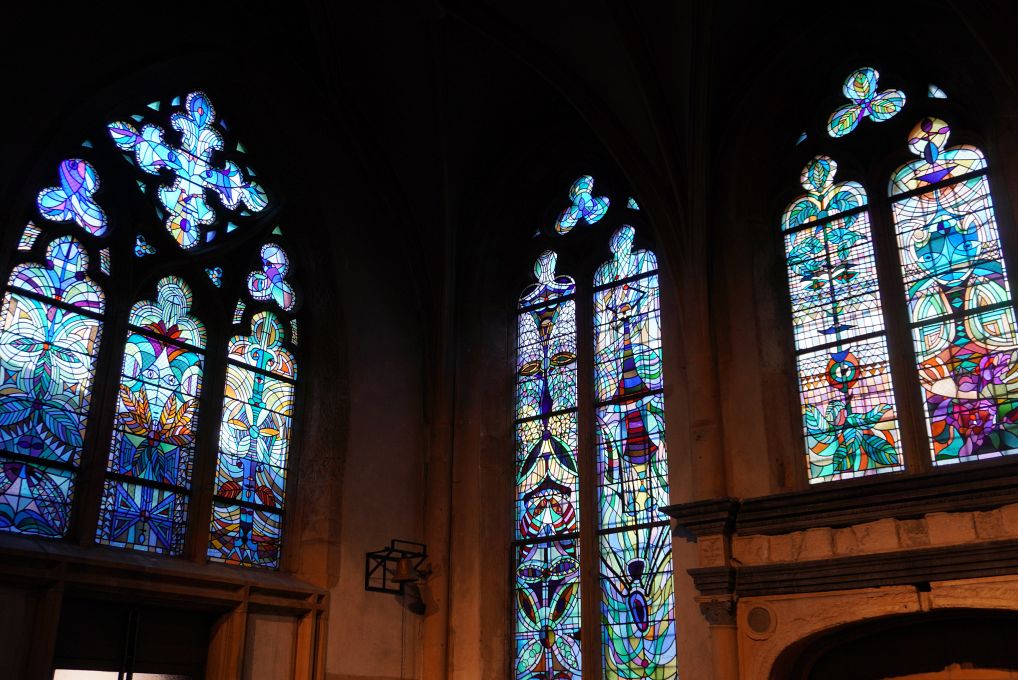
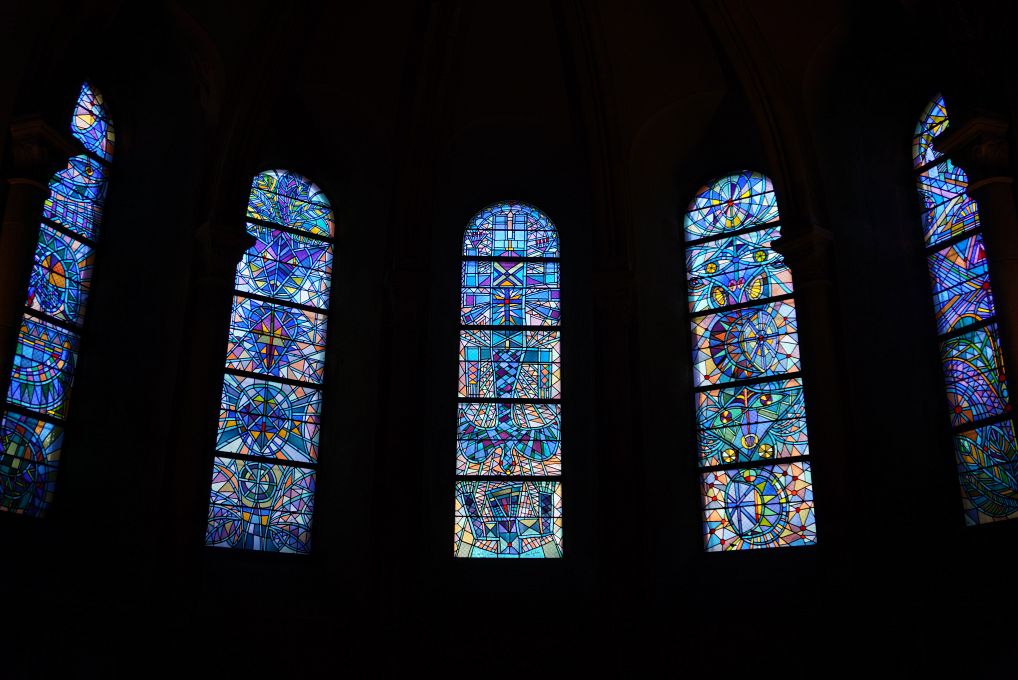
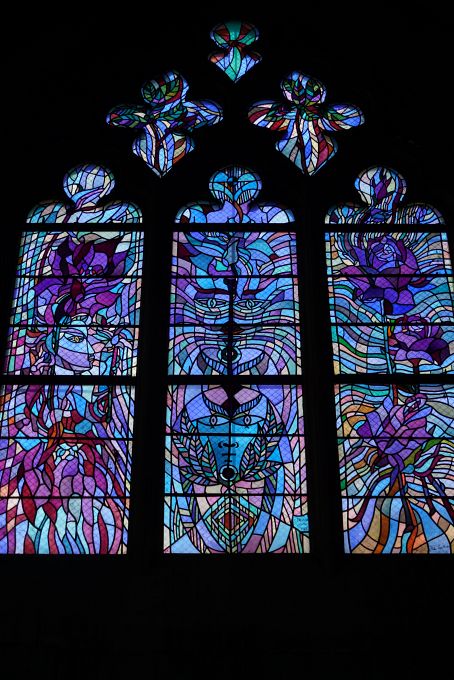
The Cathedral Saint-Étienne (Saint-Stephen)
You may want to check this website in French detailing the stained-glass windows of the cathedral.
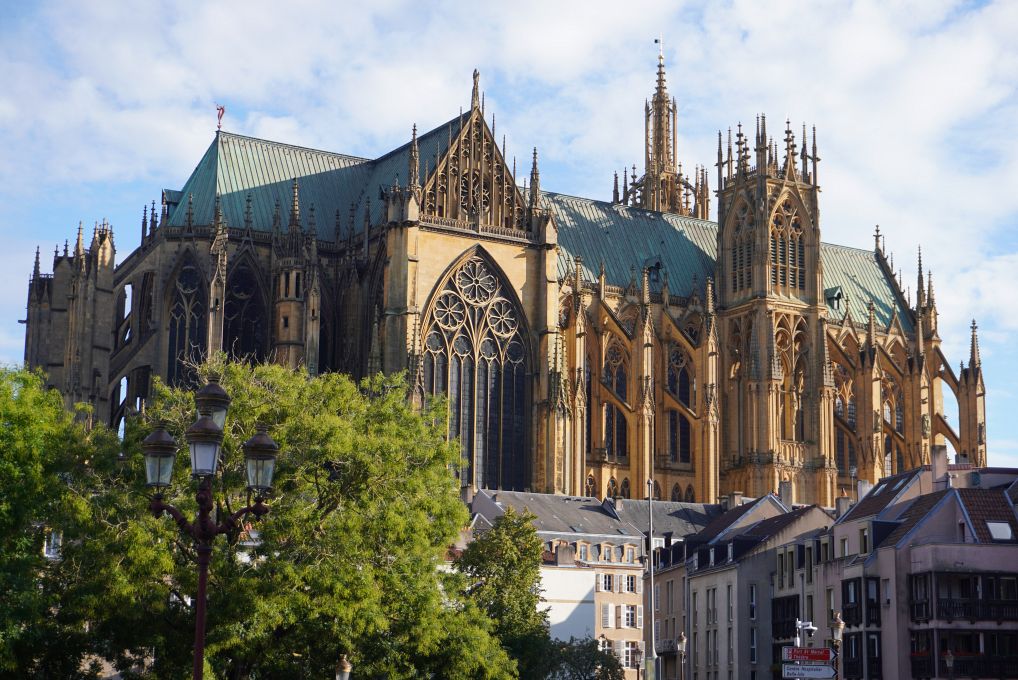
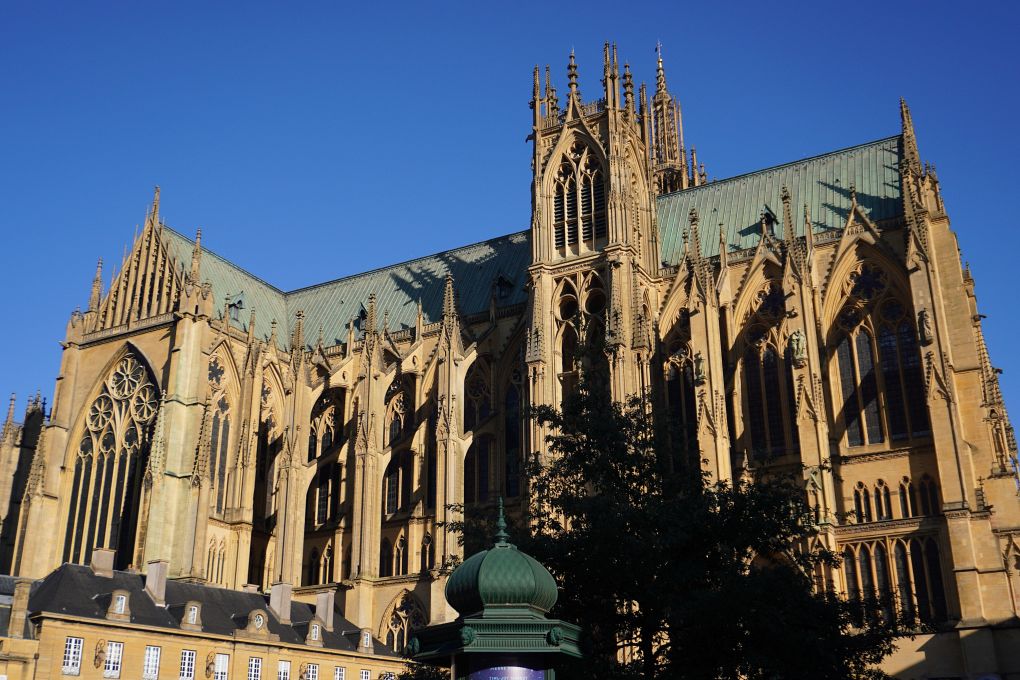
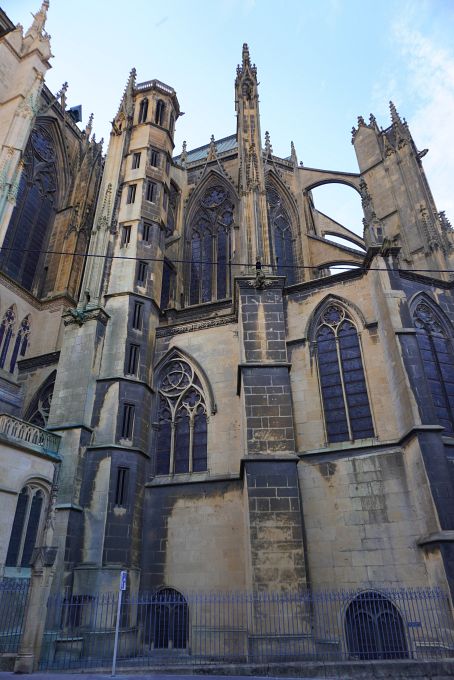
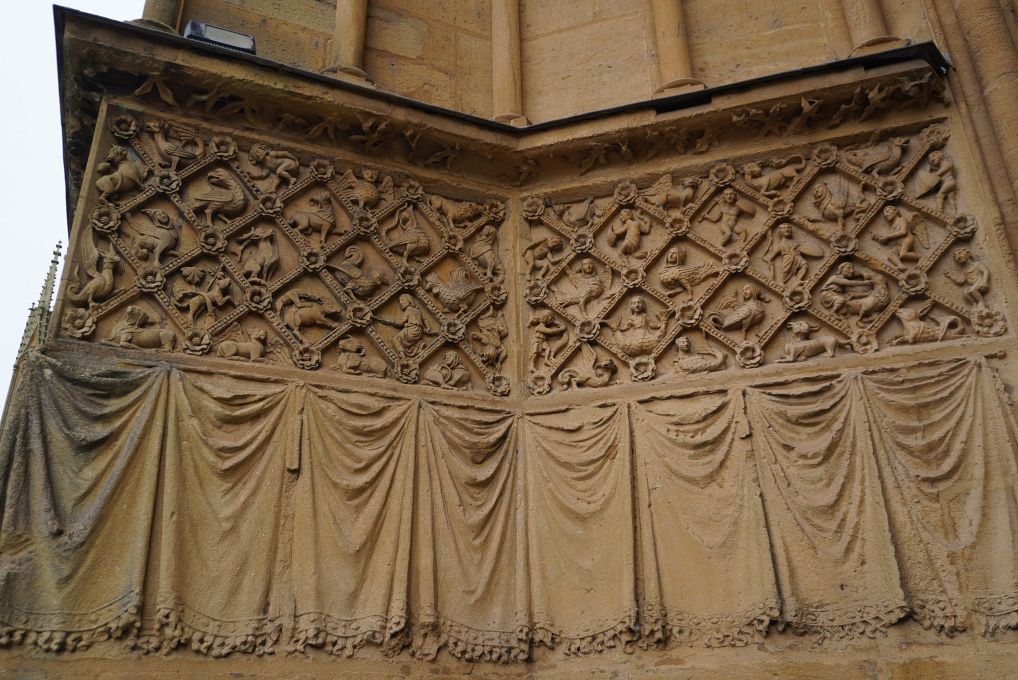
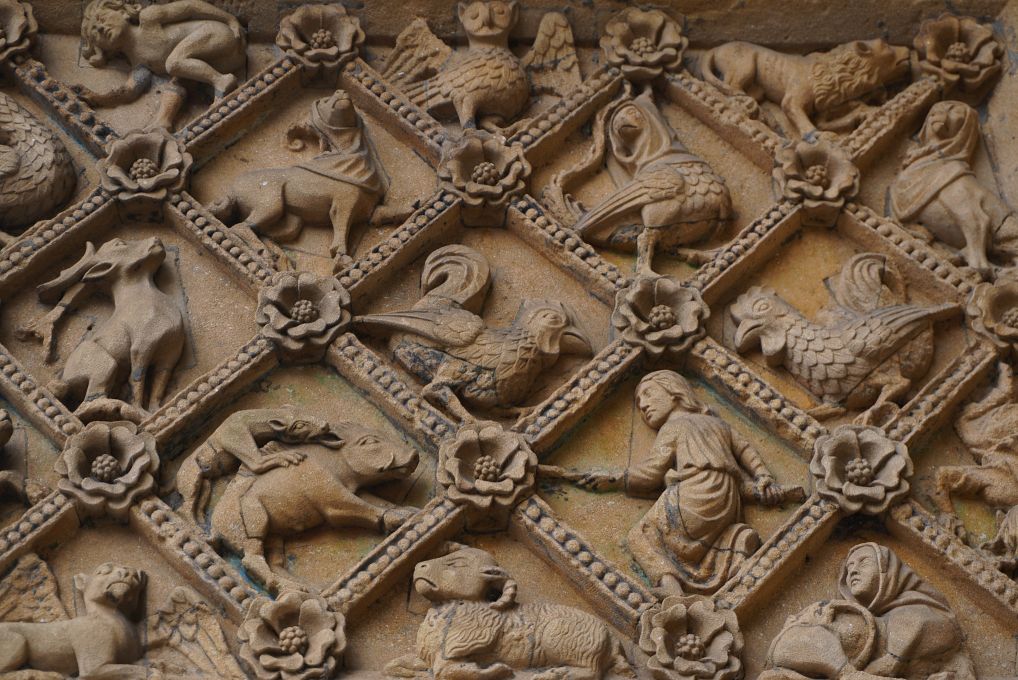
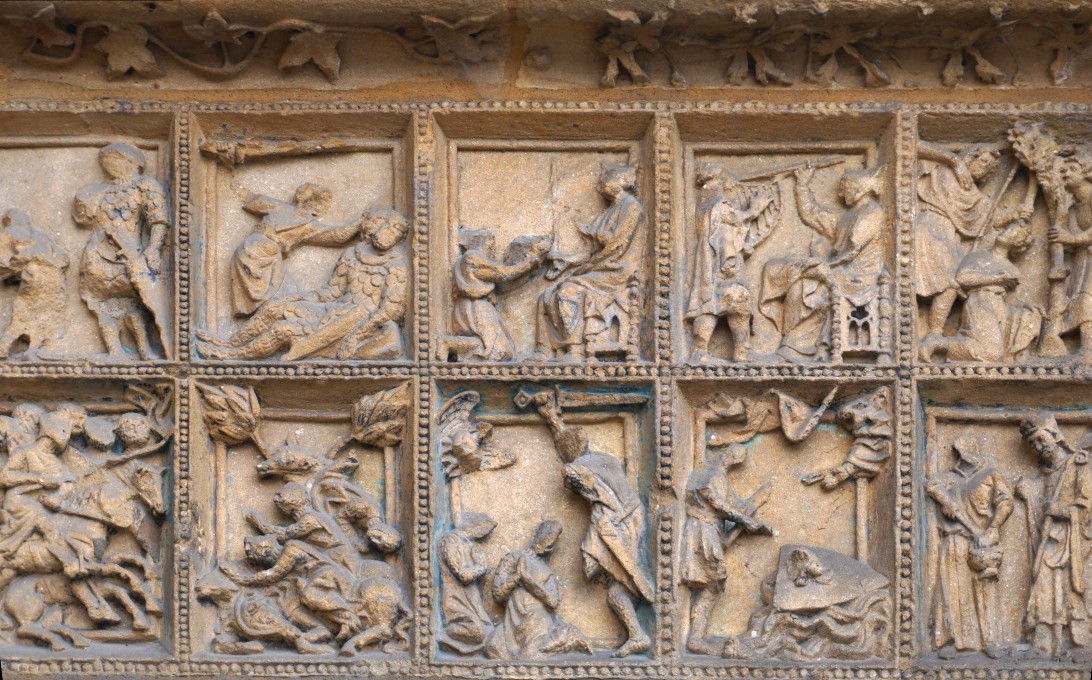
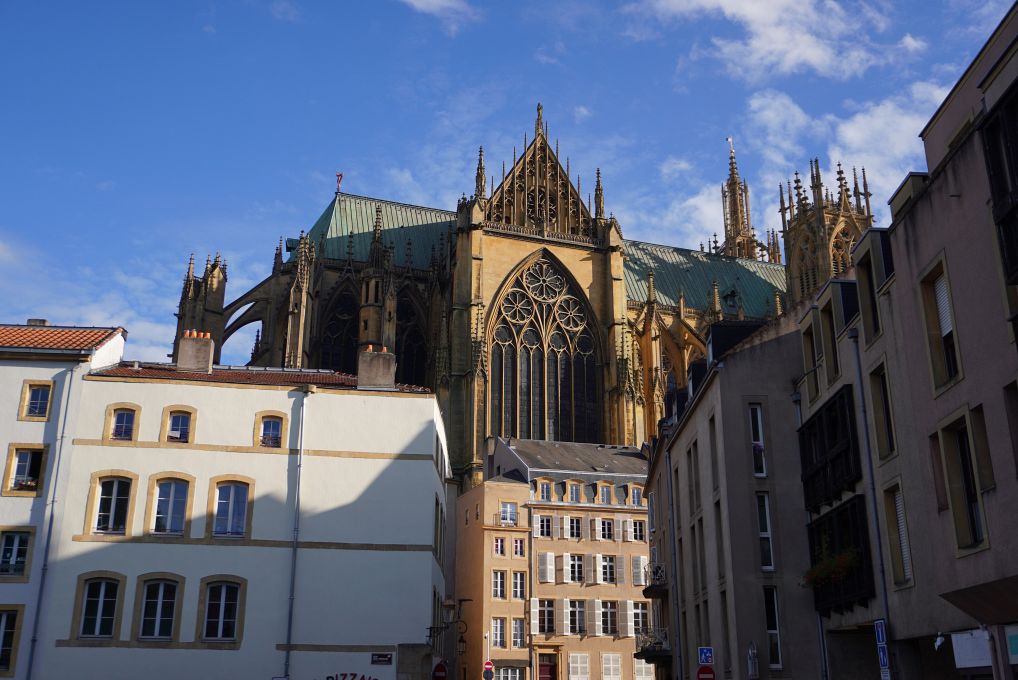
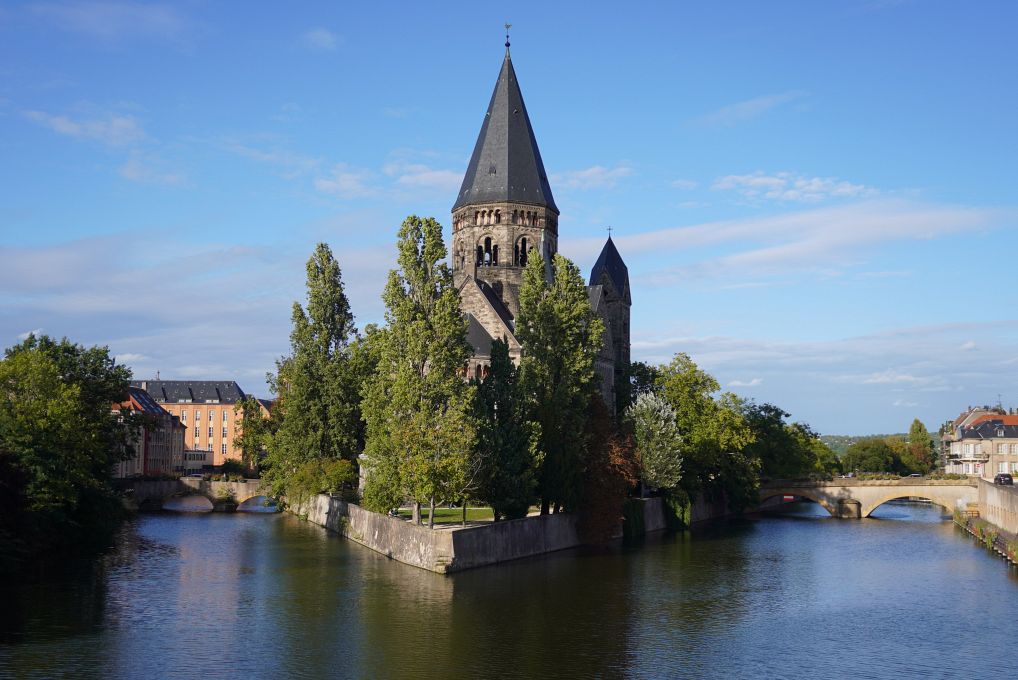
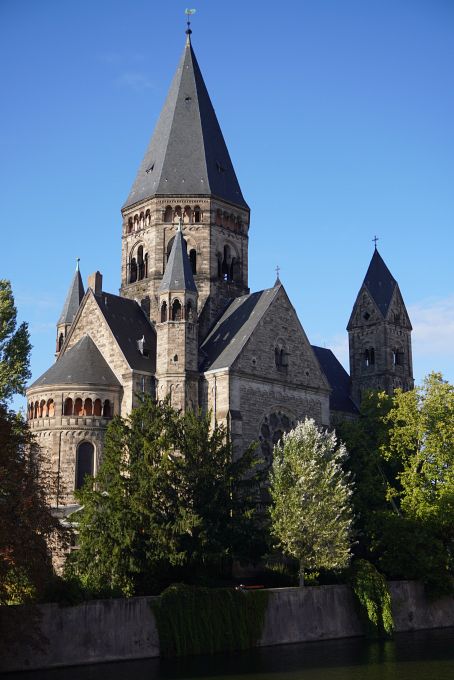
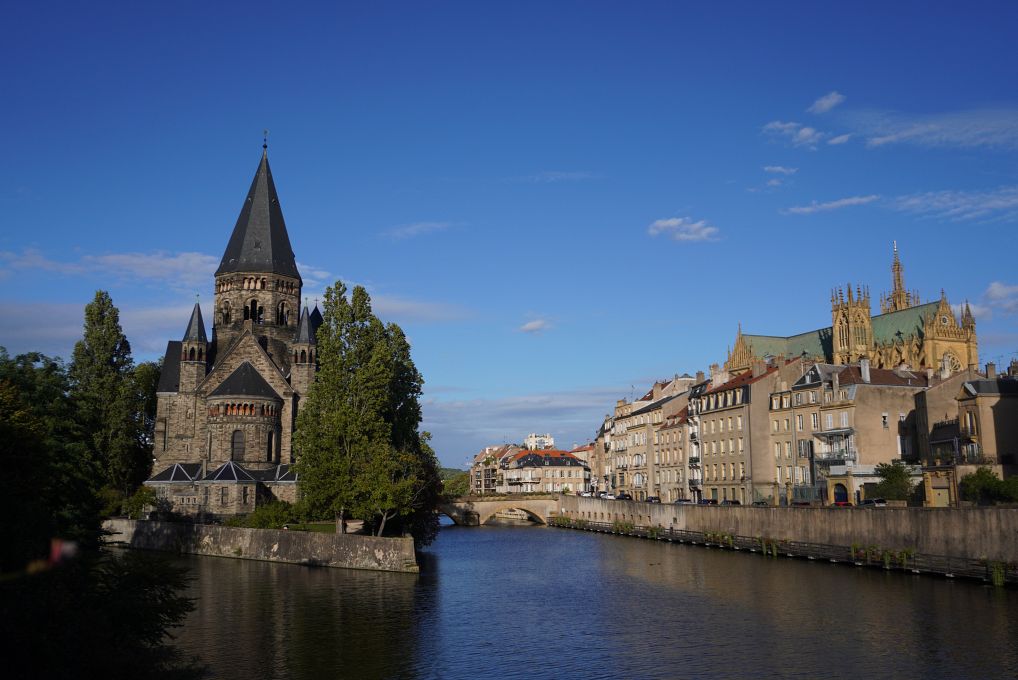
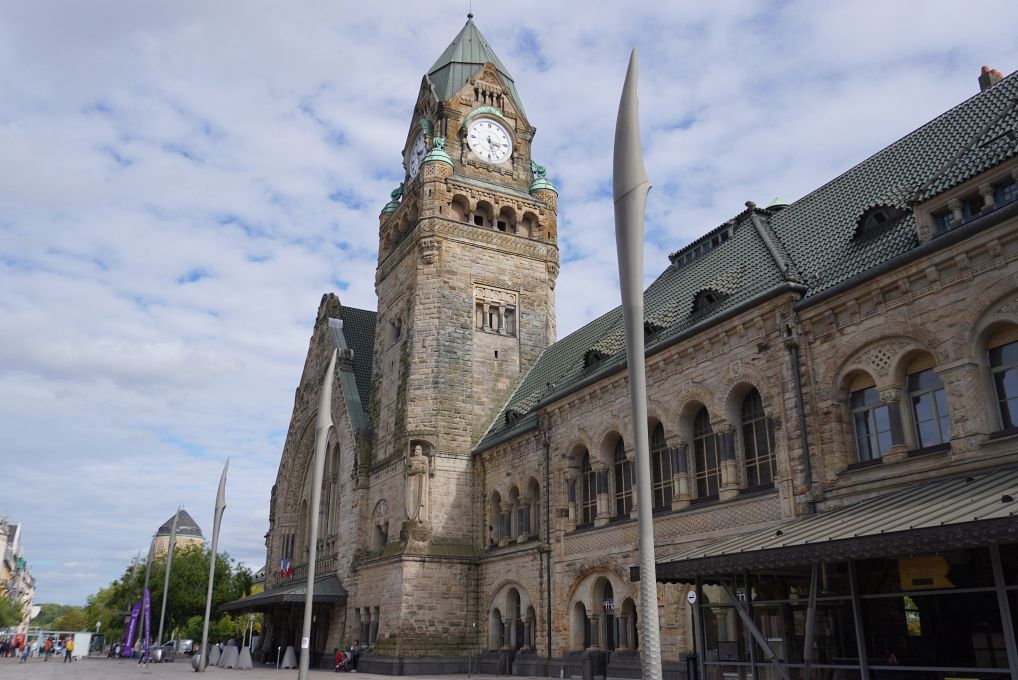
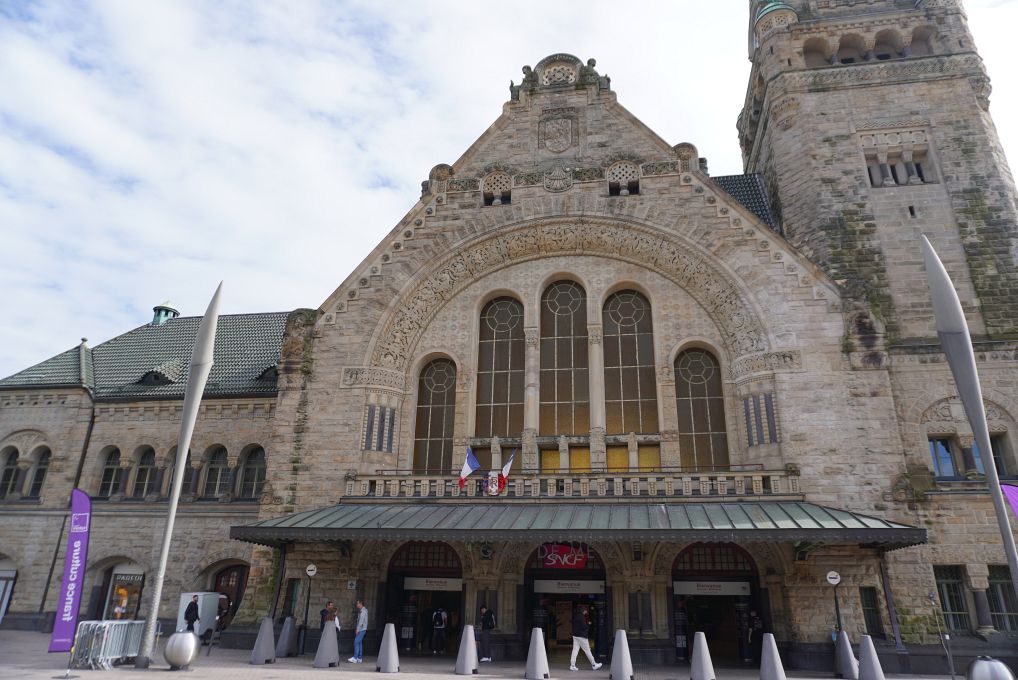
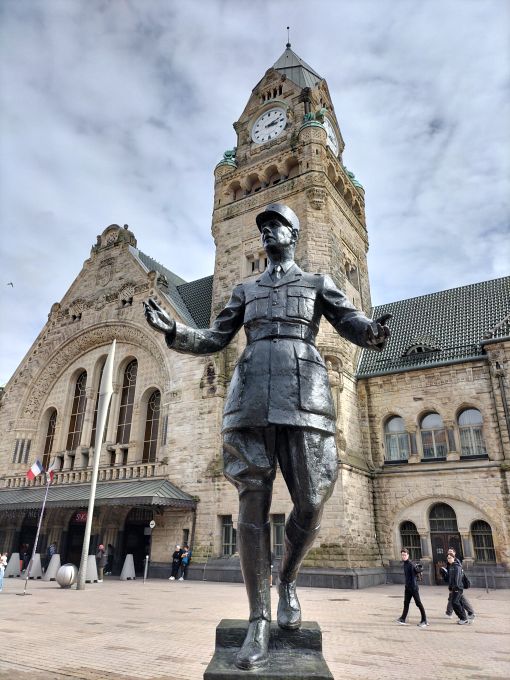
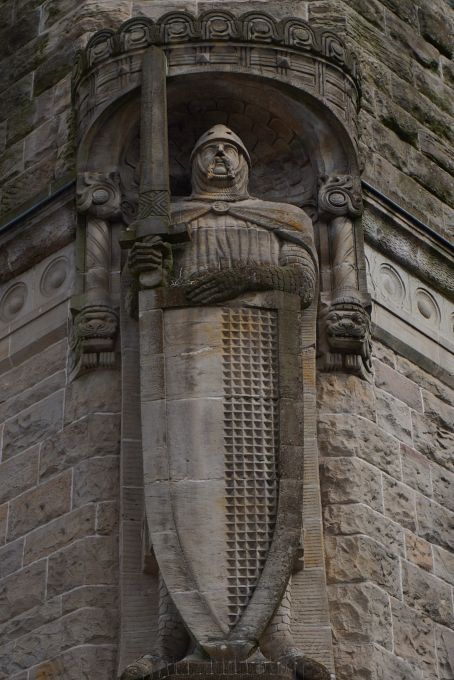
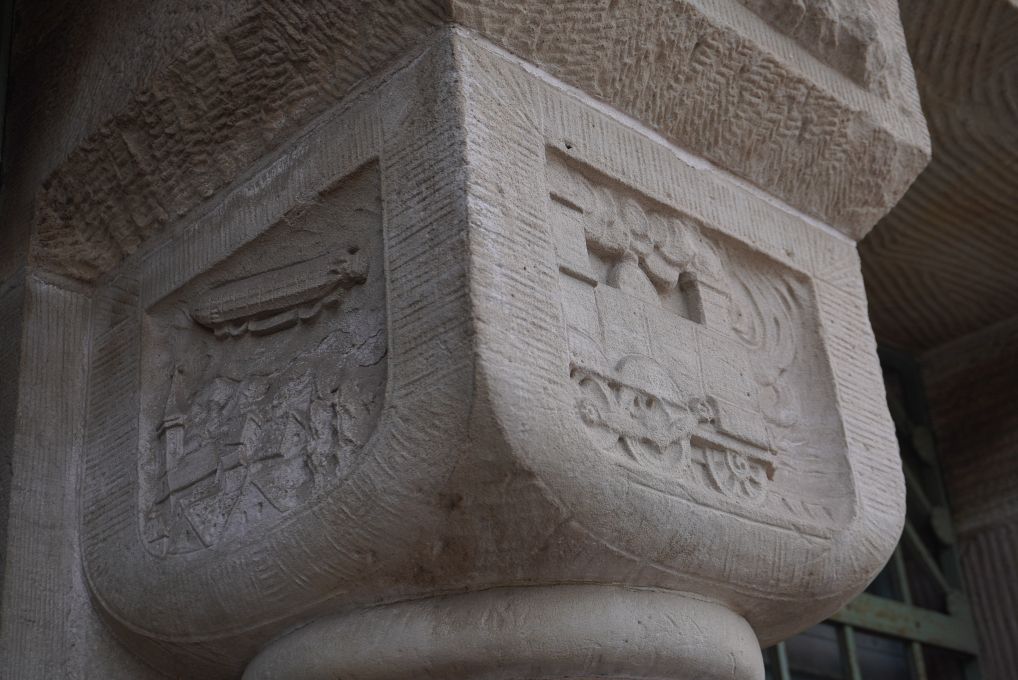
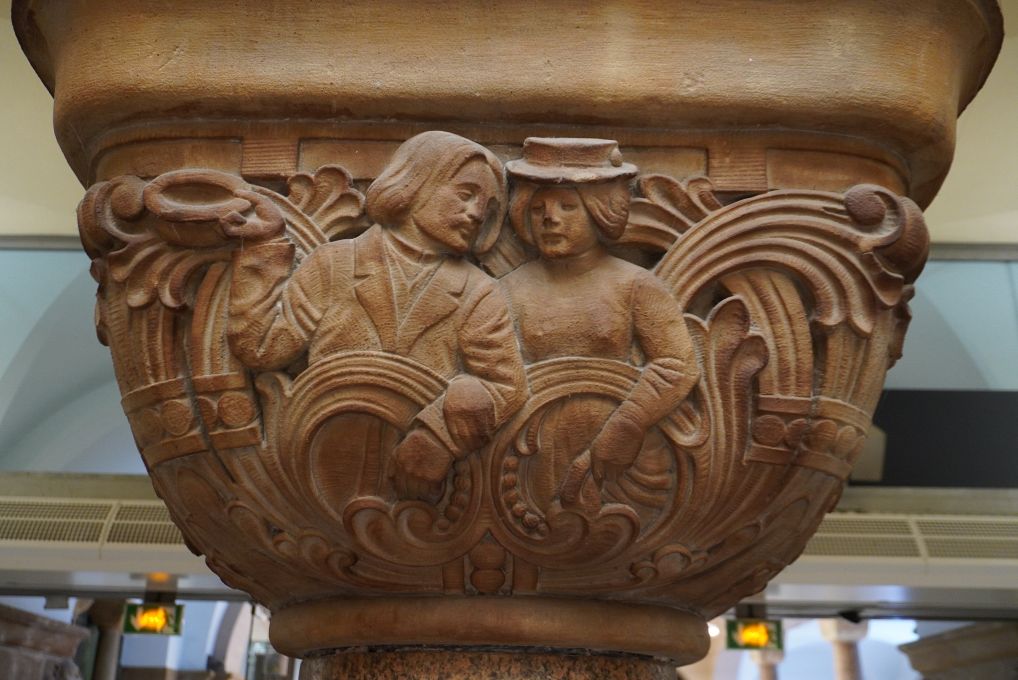
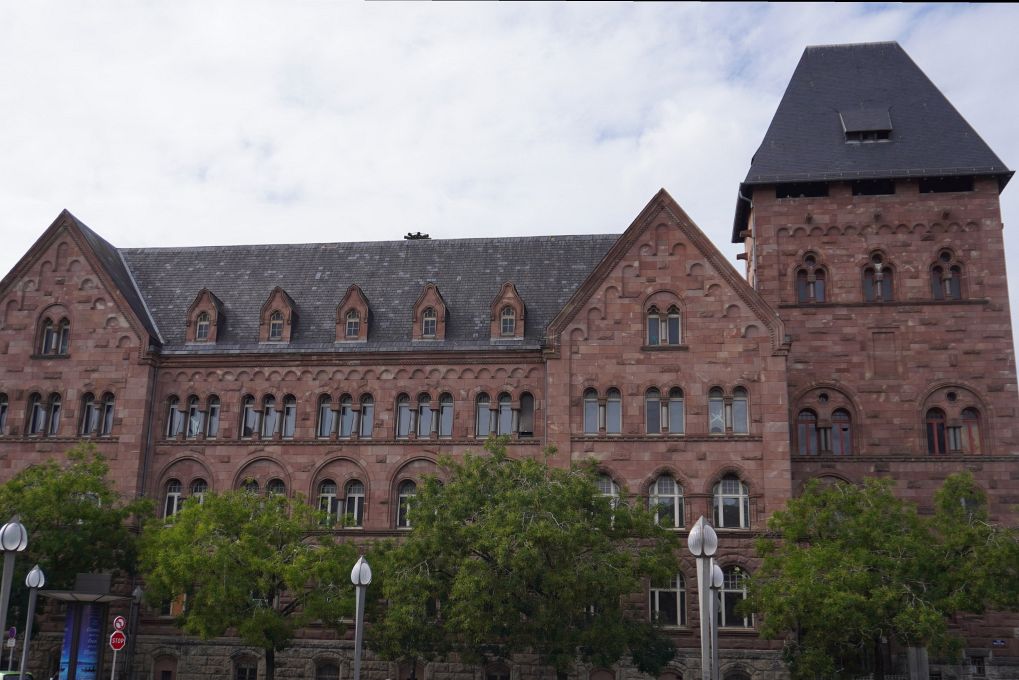
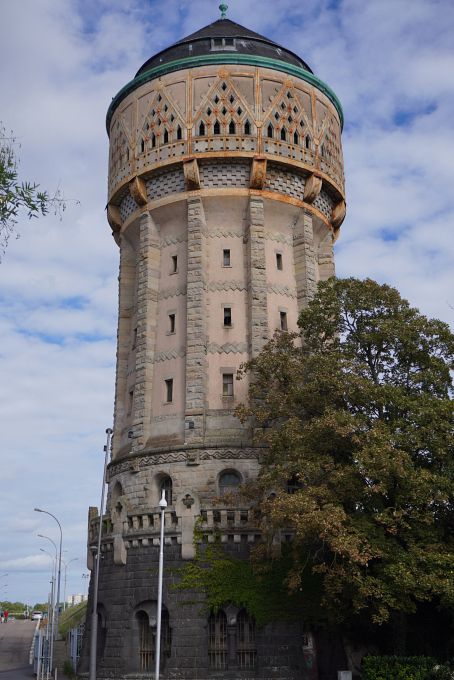
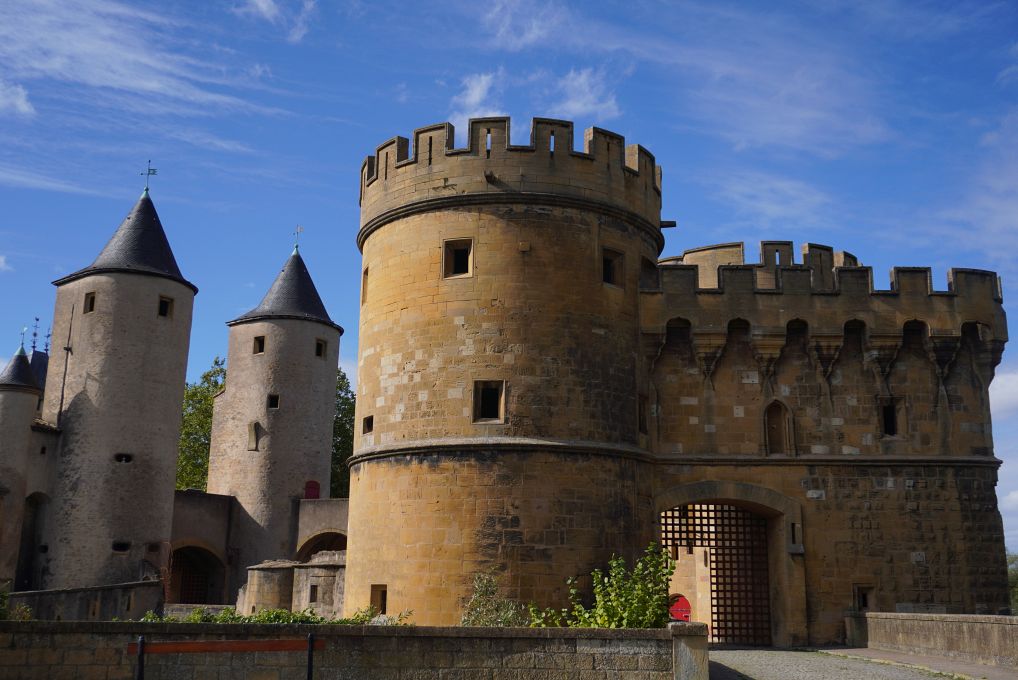
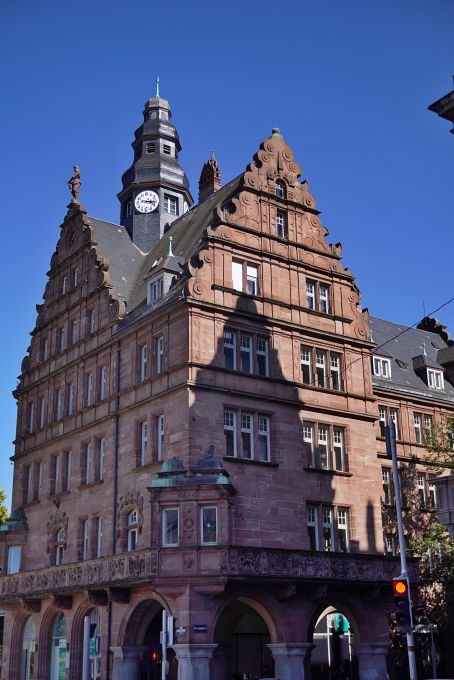
Views of the city of Metz (mostly the Imperial City)
The old town has roughly the form of a triangle topped on the north by the confluent of the rivers Moselle and Seille and framed on the left (west) by the Moselle and the Seille on the right (east). The base of the triangle opens southwards onto an open esplanade , the citadel and further away the so-called Imperial City. The main shopping streets run parallel to the river Moselle in a north west direction (rue Serpenoise, rue des Clercs and rue aux Ours) and a ring of boulevards following the outline of the former city ramparts encloses the city centre. On the southern side lies the Imperial City, the "new" town built around the railway station by the German during the annexation. Since 2010 Metz is also home to a subsidiary of the Centre Pompidou, housed in a futuristic building; we did not visit but it seems to have become a main draw for visitors.
The town is easy and pleasant to explore, we recommend this city map with short descriptions published by the tourism office to help you discover the major sights of the city.
Go back to Le Mans or go on to Rouen or go up to Cathedral Cities
$ updated from: Cathedral Cities.htxt Sun 24 May 2026 15:57:35 trvl2 — Copyright © 2026 Vero and Thomas Lauer unless otherwise stated | All rights reserved $