


Bodiam Castle
(vero;2026-March-30)
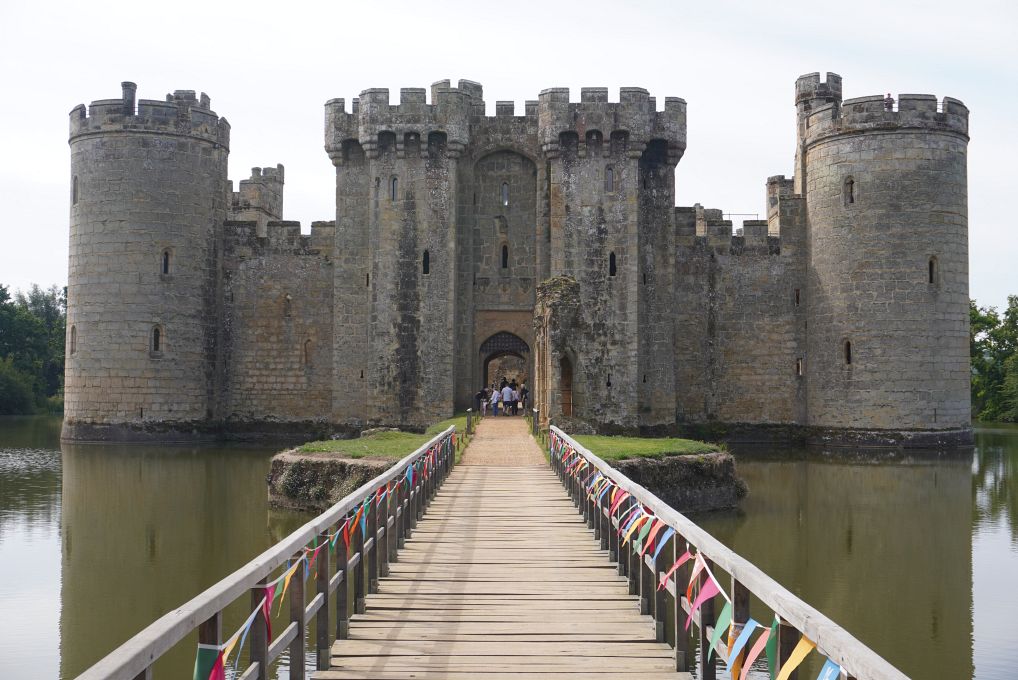
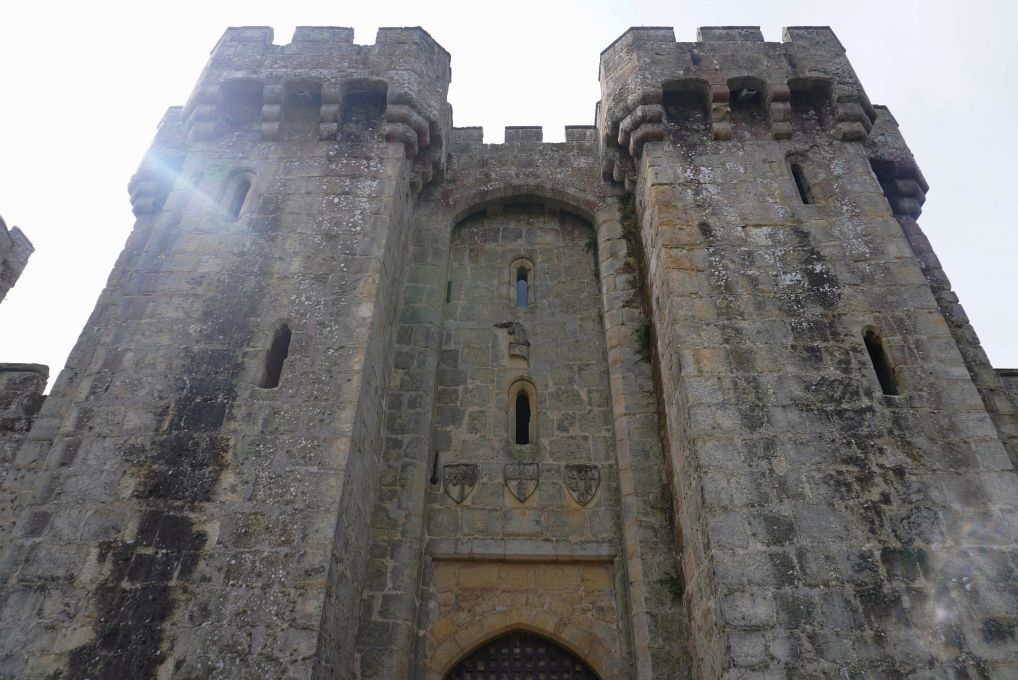
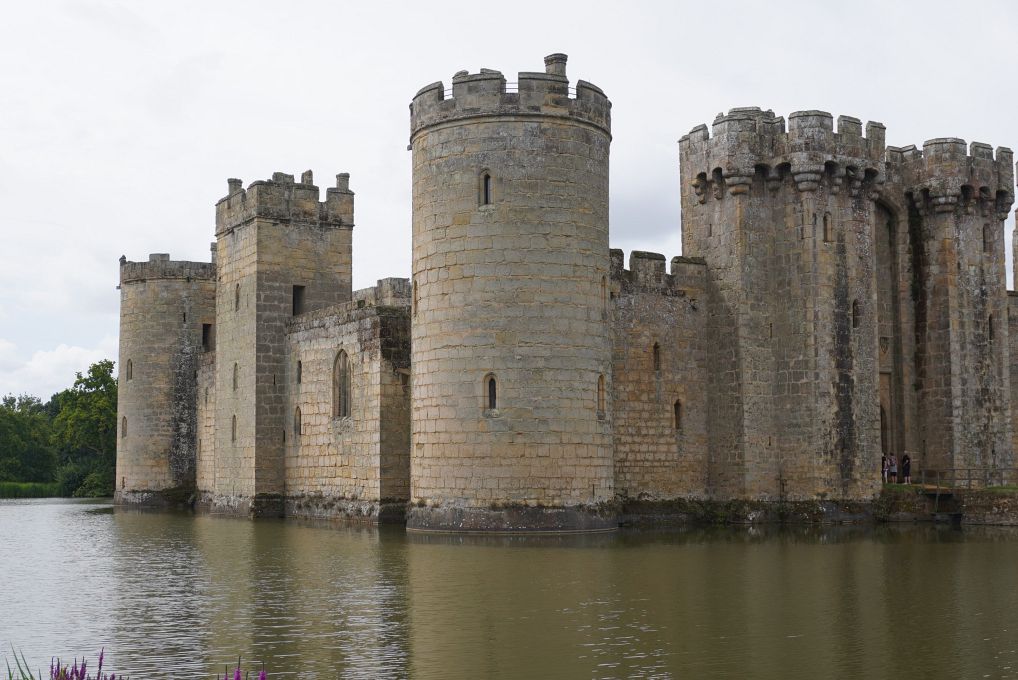
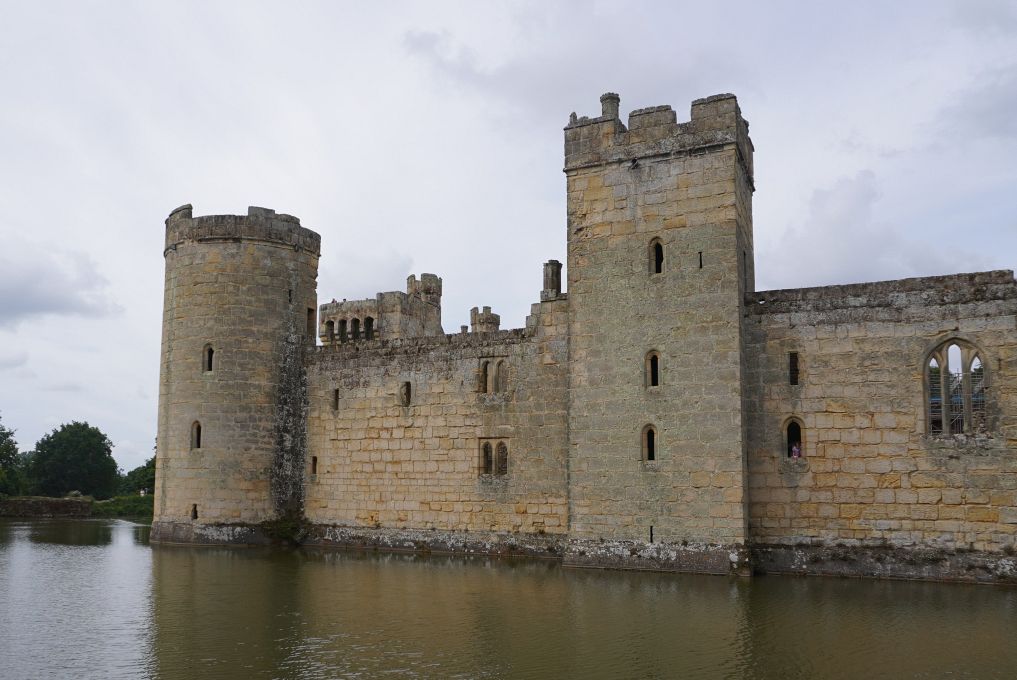
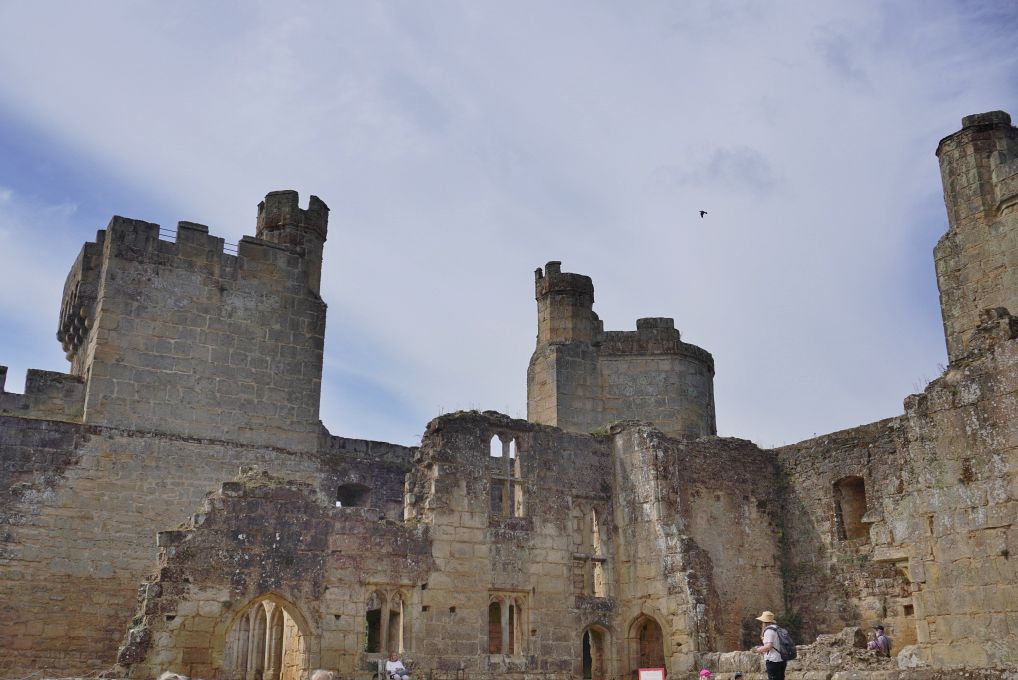
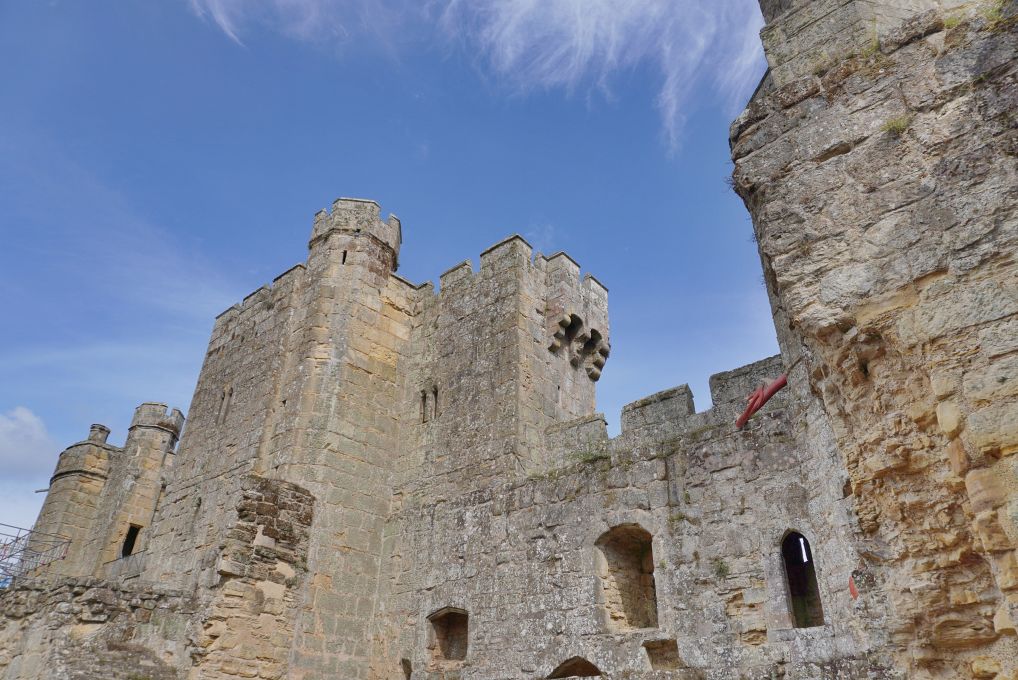
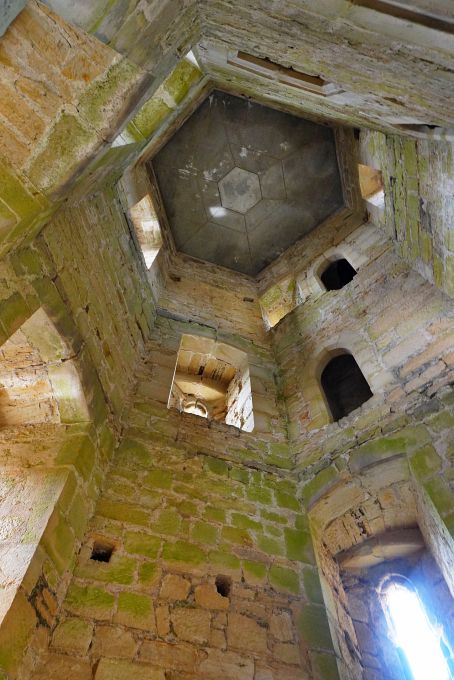
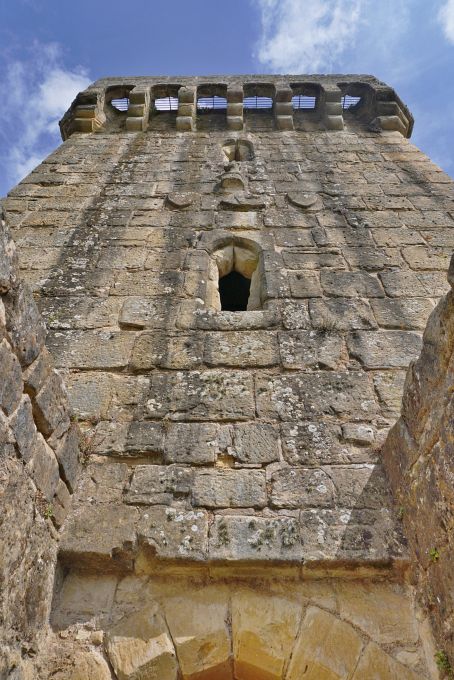
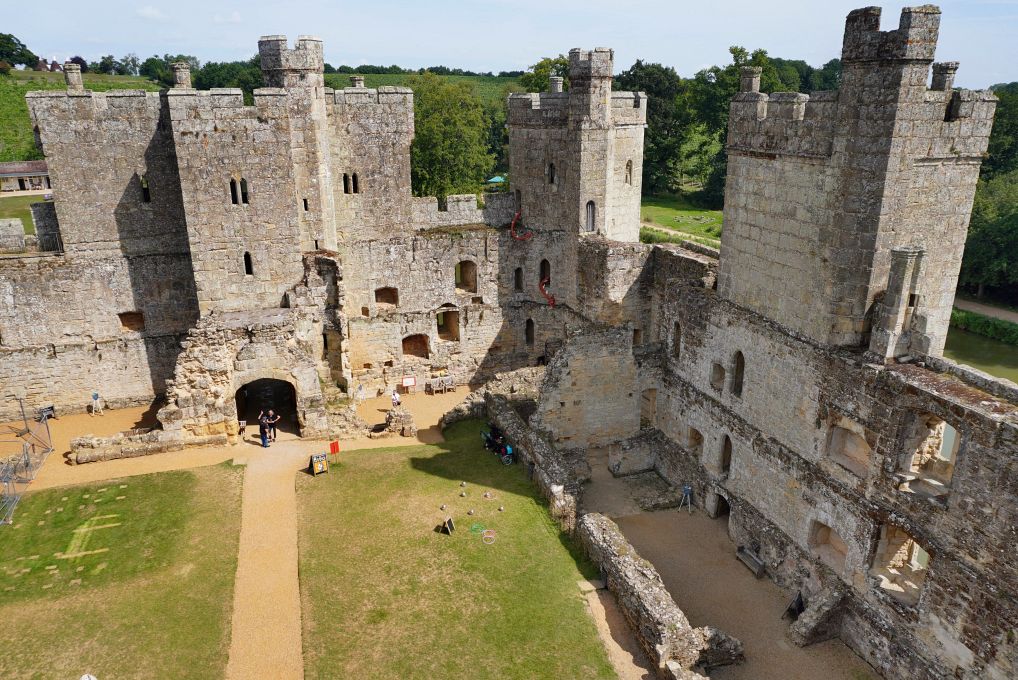
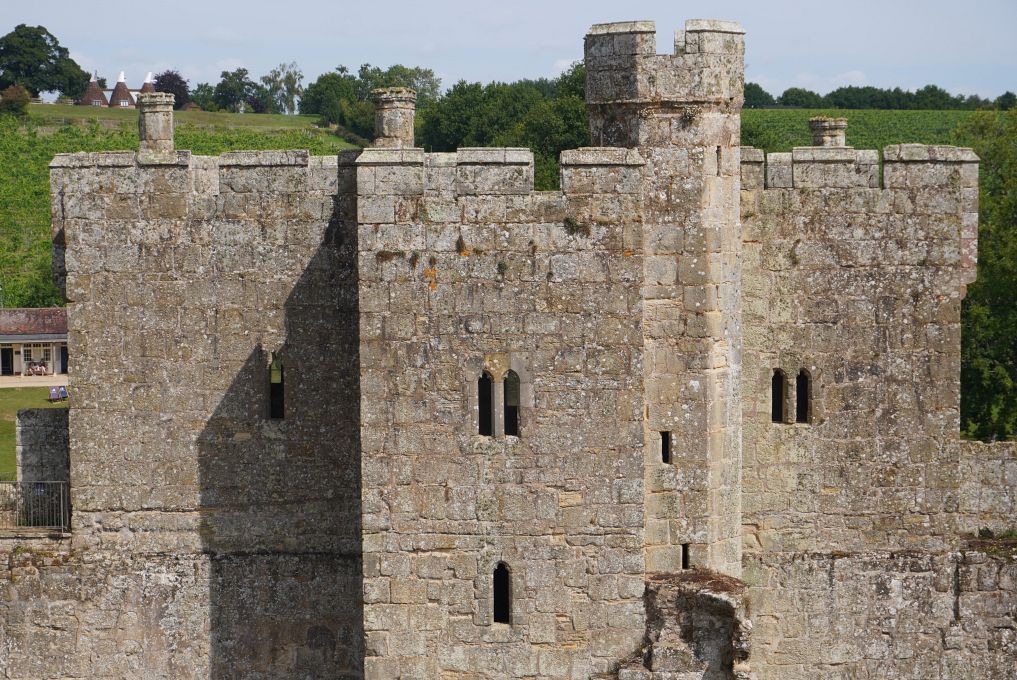
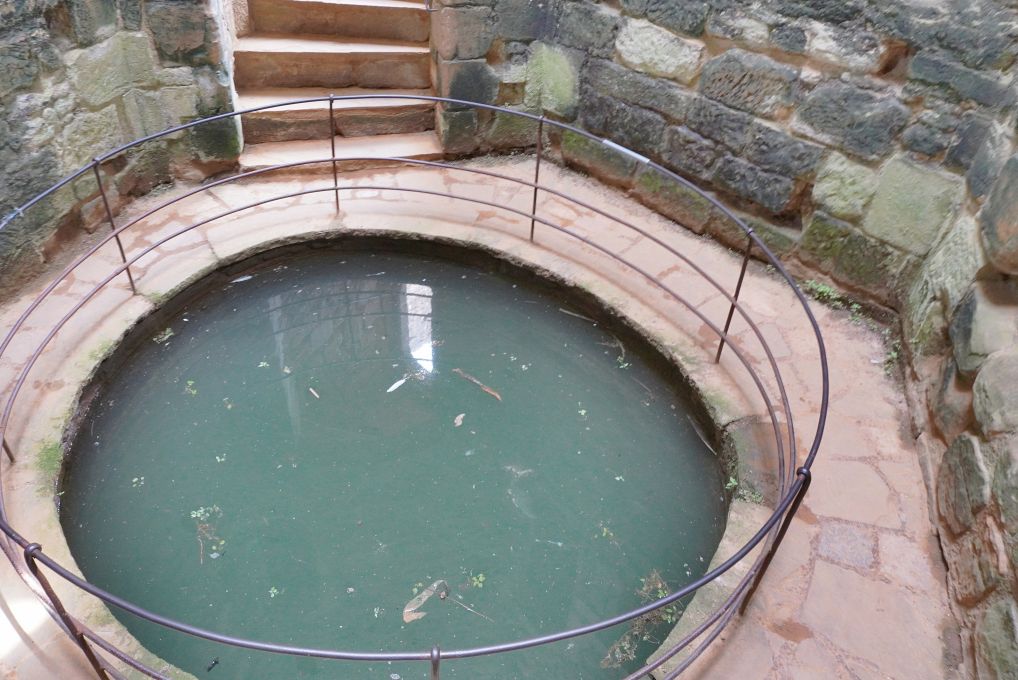
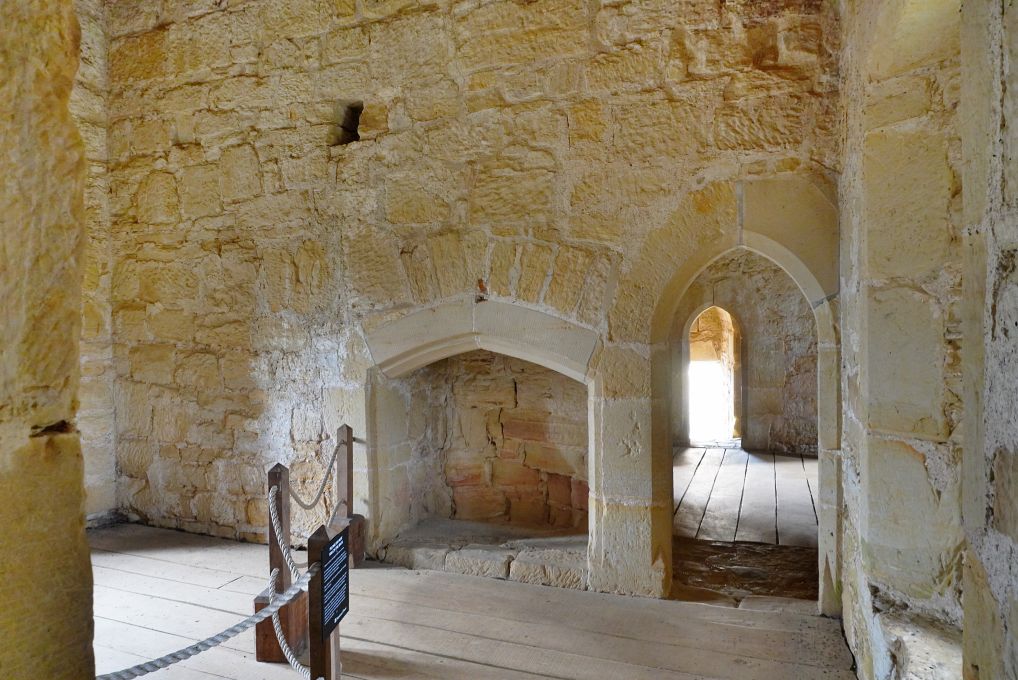
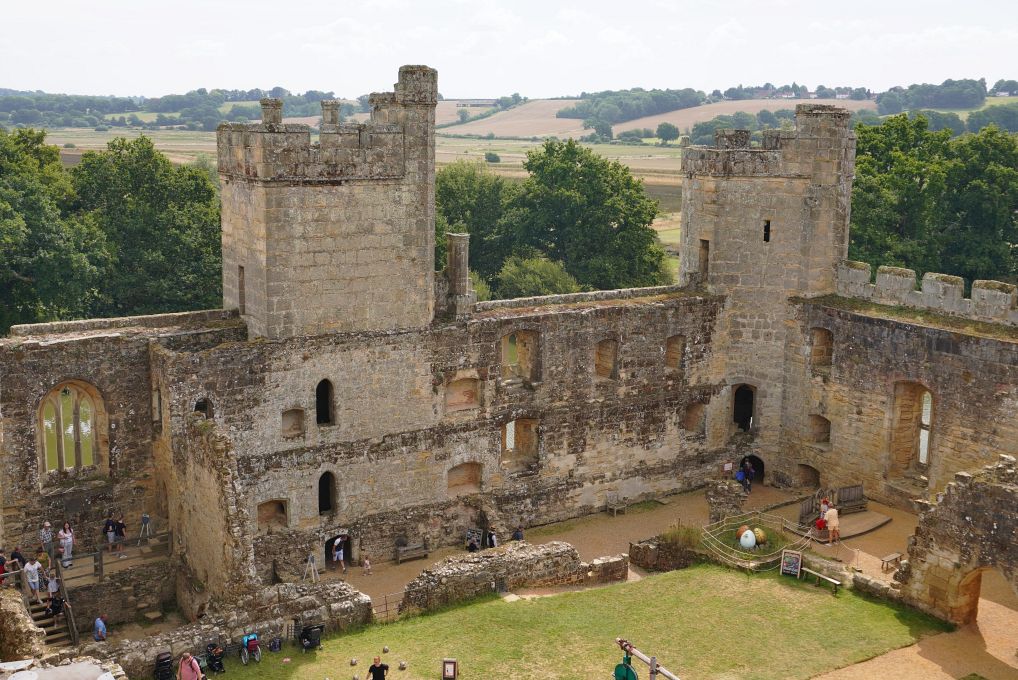
Bodiam Castle, built in the 14th century is a picture perfect moated castle with everything one can wish for: a gatehouse with portcullis, many towers, spiral staircases, battlements. A child's dream! The exterior, surrounded by water is impressive, the entrance majestic and the ruins inside are evocative enough to give the visitors a good idea of how the castle might have been in its heydays. The castle is now managed by the National Trust, the entrance fee to the castle and its grounds was 13£ for non-members when we visited in 2025 (15£ during the Summer school holidays), the car park was 5£ (free for members). Click here for up-to-date visitor information.
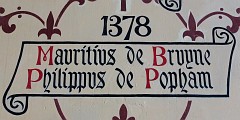
The castle was built around 1385 by Sir Edward Dalyngrigge (c.1346-1393/94). The man made his name through military service in France during the reign of Edward III fighting in the Hundred Years' War. He was made a Knight in 1367 and returned to England in 1377 a rich and powerful man, becoming an influential figure in local politics and representing Sussex several times in Parliament. Through his marriage to Elizabeth Wardieu, daughter and heiress of John Wardieu of Bodiam, he inherited the land and manor of Bodiam and ever concerned by a possible French invasion and the necessity to protect the South Coast, he asked King Richard II for permission to fortify the existing manor. His wish was granted in 1385: "that he may strengthen with a wall of stone and lime, and crenellate and may construct and make into a castle his manor house of Bodiam, near the sea, in the County of Sussex, for the defence of the adjacent country, and the resistance to our enemies."
The castle looks impregnable and very military from the outside, but Dalyngrigge made a point of designing the interior in a fashion fit to enable a comfortable and opulent life with a great hall, private apartments and a chapel, all displaying his ambition and status. In fact, as history goes, the castle never had to sustain a siege or face battle. Click here for an overview of the history of the castle.
Go back to Petworth House or go on to Bateman's: Home of Rudyard Kipling or go up to East and West Sussex
$ updated from: South East England.htxt Sun 24 May 2026 15:57:34 trvl2 — Copyright © 2026 Vero and Thomas Lauer unless otherwise stated | All rights reserved $