Welcome  FAQs
Links  News

United Kingdom

Quaint, peculiar, funny: the United Kingdom… our "Wahlheimat".

We actually like it here: the weather (and the food) are not quite as bad as the natives (and the French) make you believe.

Full map of all UK pages

Other Things

Translate & Share

Path: Photos > England > South East England > Kent > Sissinghurst Castle Garden
Tags: UK  England  Kent  2025  NationalTrust  Garden  News

Sissinghurst Castle Garden


(vero;2026-March-30)

These gardens created by Vita Sackville-West and her husband Harold Nicolson are among the most famous in England. Vita was an author and became known for her passionate love affairs with women such as writer Violet Trefusis and novelist Virginia Woolf (who drew heavily on the Vita/Violet affair in her novel Orlando). Harold was a diplomat, a politician and writer; he designed the layout of the garden while Vita managed the planting with a team of gardeners.

The Sissinghurst estate has a long history and started as a Saxon pig farm in the 12th century. It was sold in 1490 to a Thomas Baker of Cranbrook and expanded by his grandson Sir John Baker, an influential English politician, who built a brick house on its grounds. Sir John's eldest son, Sir Richard transformed it into a large Elizabethan house (a so-called Prodigy House) in the 1530s fit to host Queen Elizabeth I (who visited in 1573). The estate and the house declined after the collapse of the Baker family fortunes following the civil war (1642-51) and was eventually leased to the government who used it as a prison for captured French sailors during the Seven Years' War (1756-63). Most part of the Elizabethan house was demolished in the 1800s and it was a ruin used as a barn and a farm building that Vita Sackville-West and Harold Nicolson bought in 1930 and transformed into the garden and the house we see today.

The entrance fee to the house and the gardens was 20£ for non-members when we visited in 2025, the car park was 4.50£ (free for members). Click here for up-to-date visitor information.
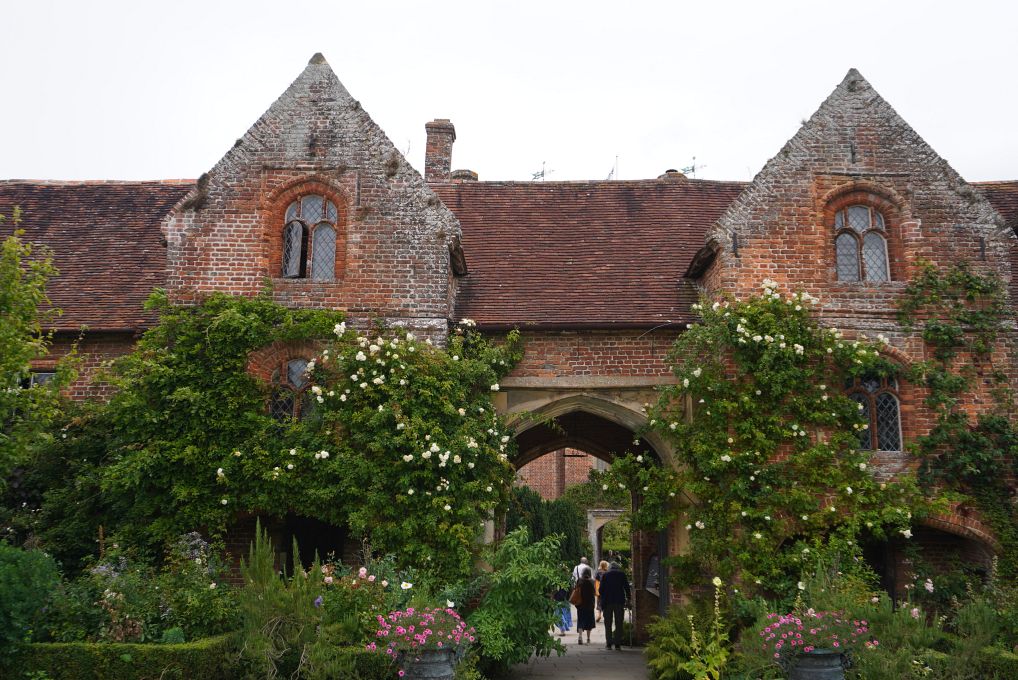
The entrance to the garden is done via the gate of the west wing.
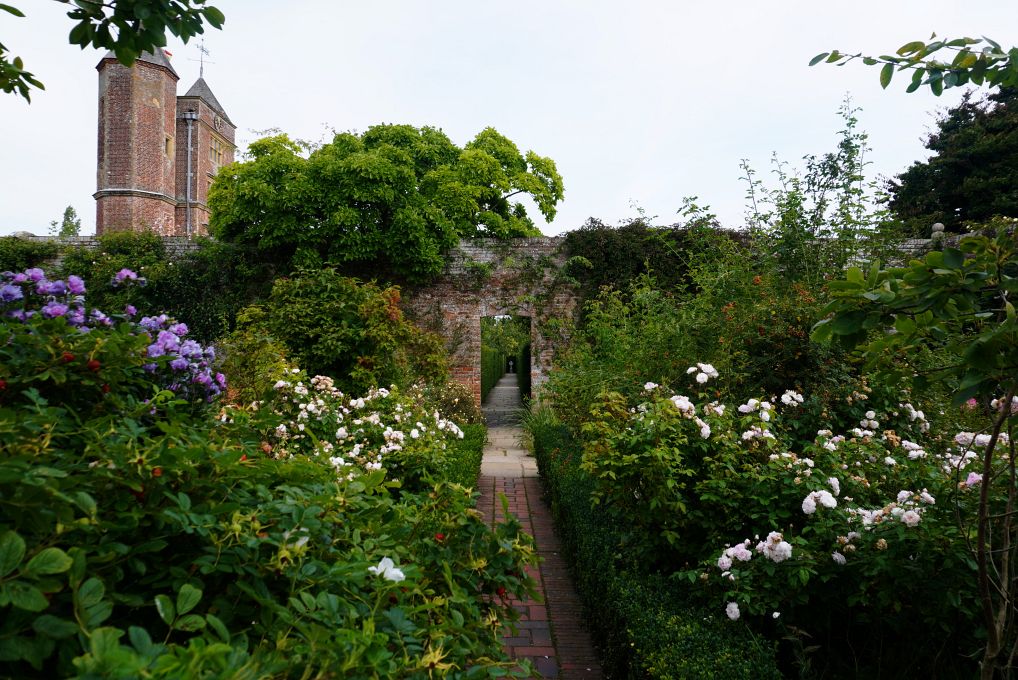
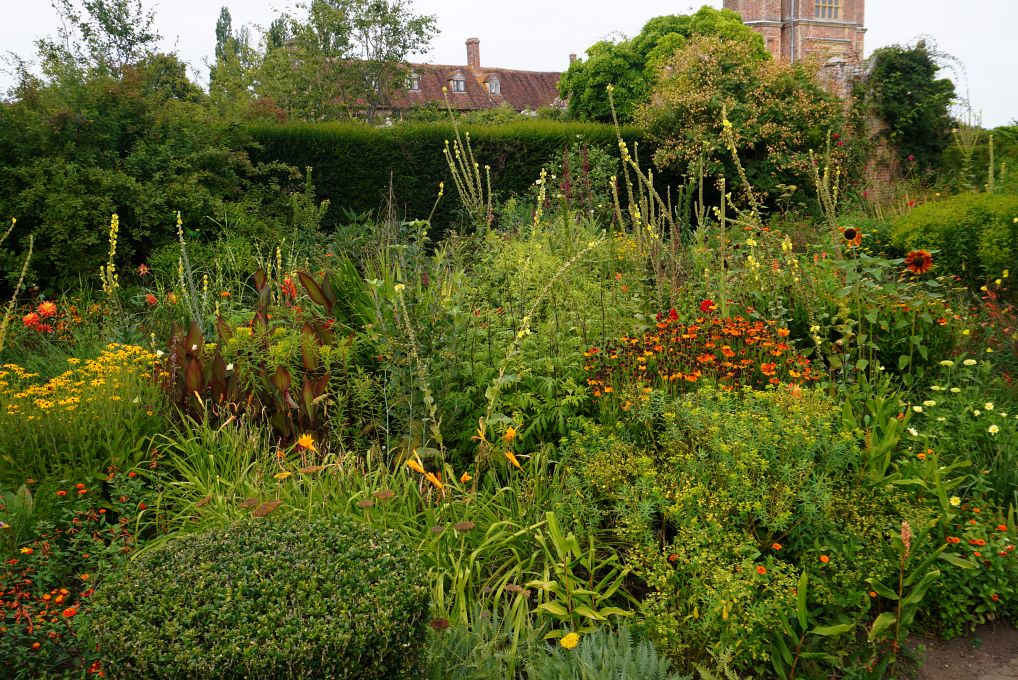
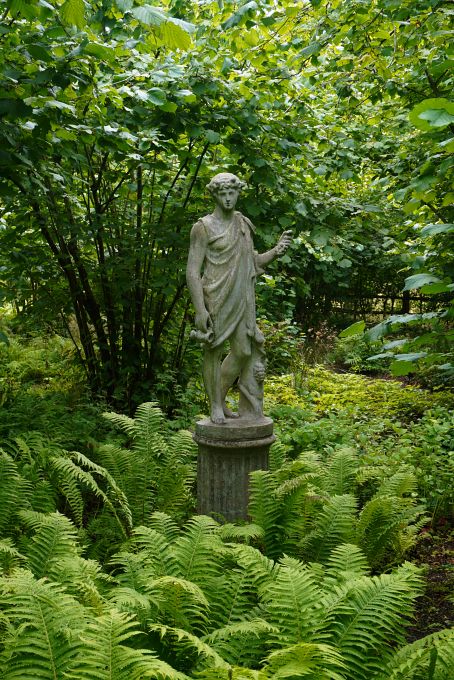
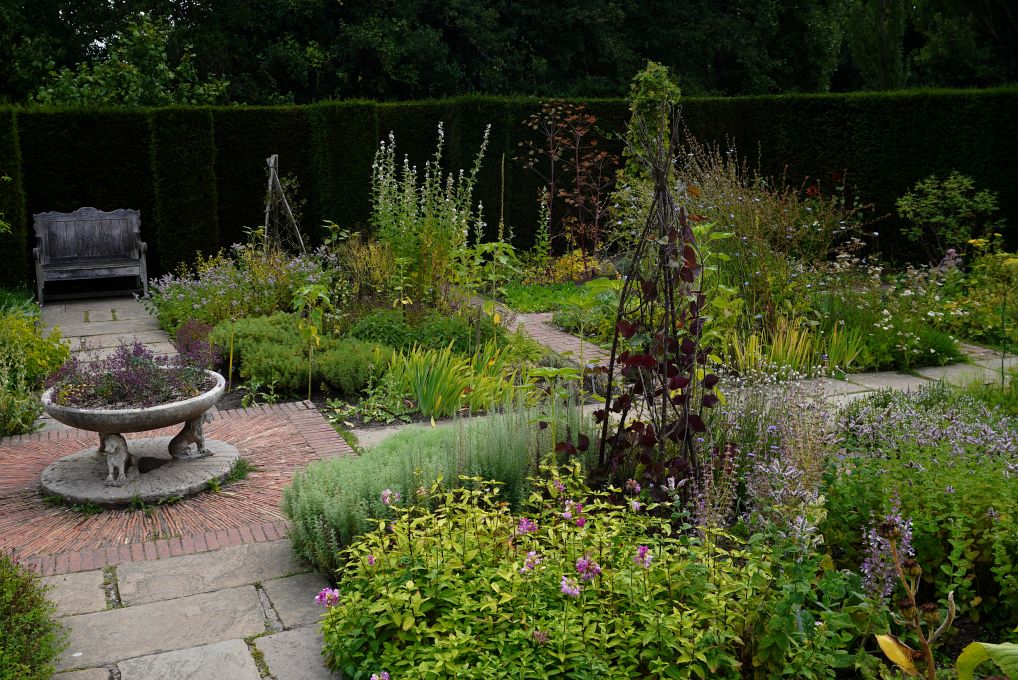
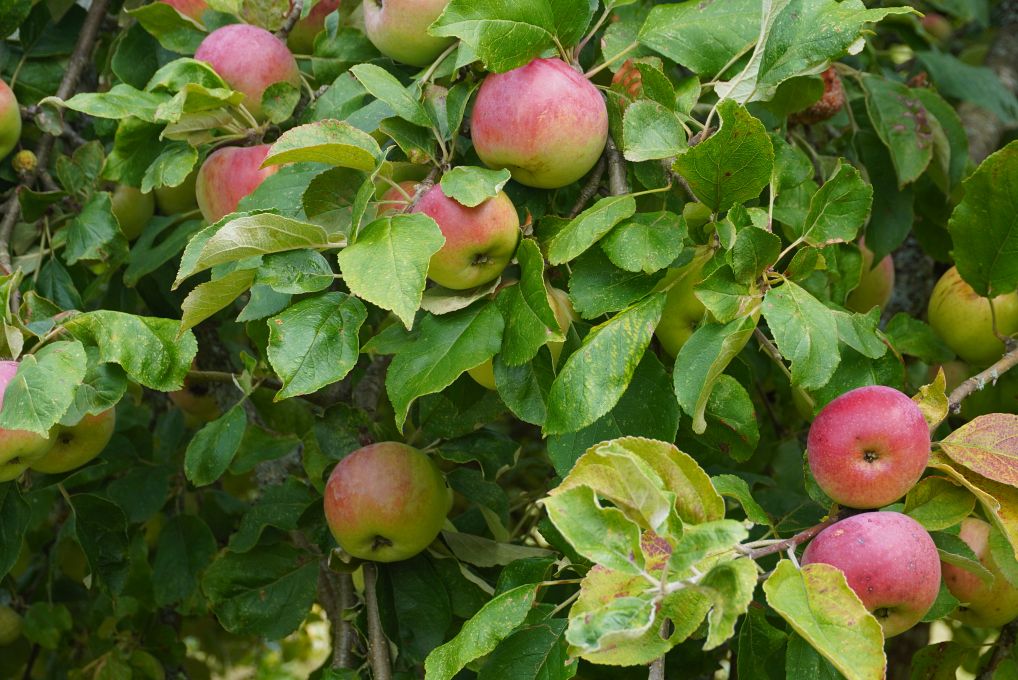
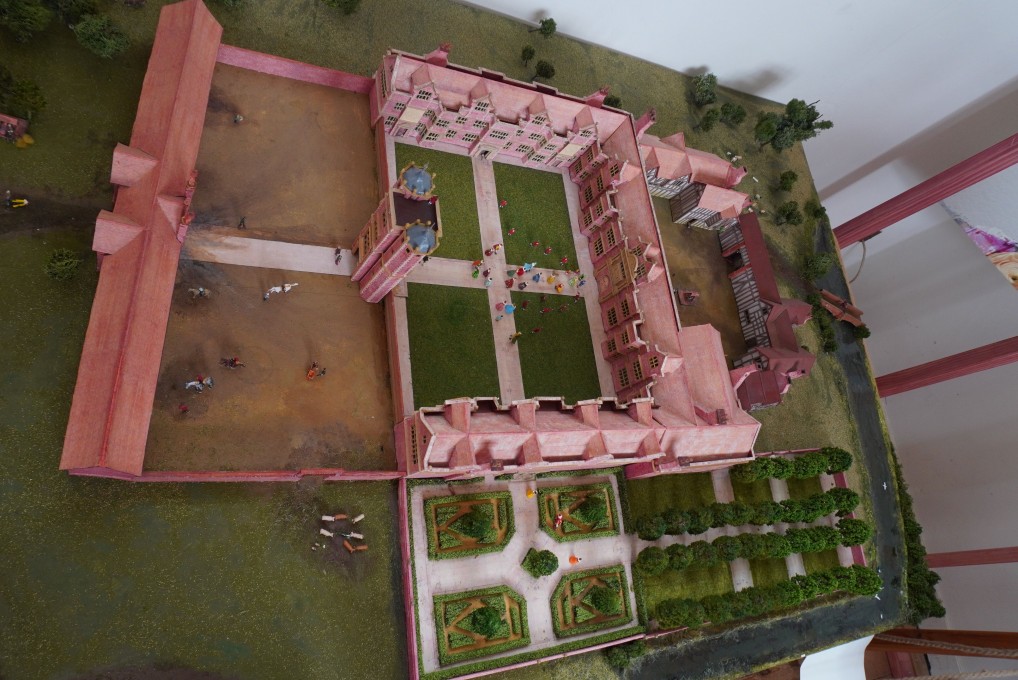
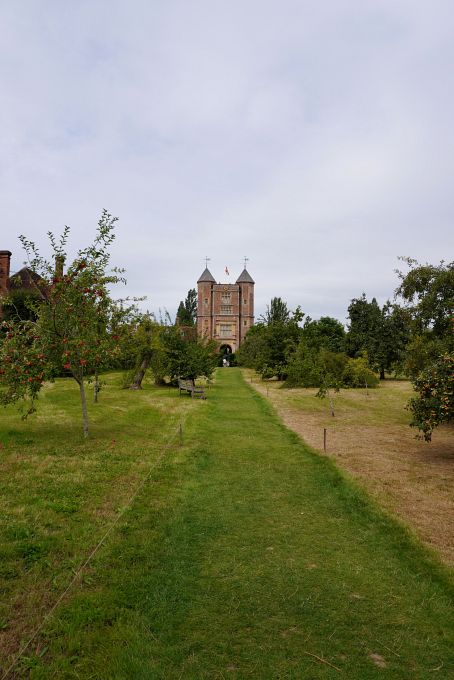
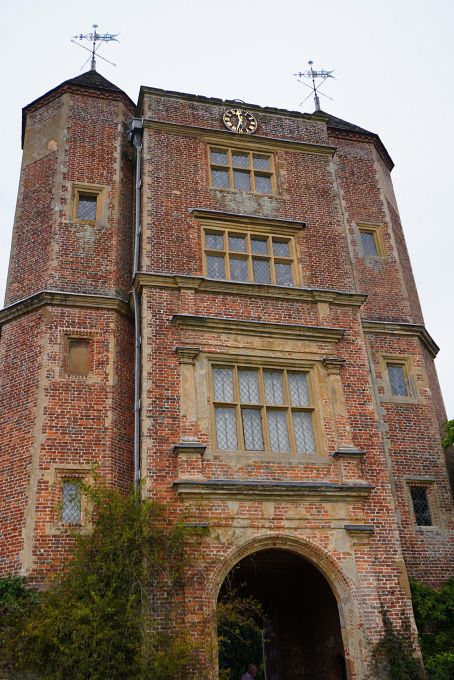
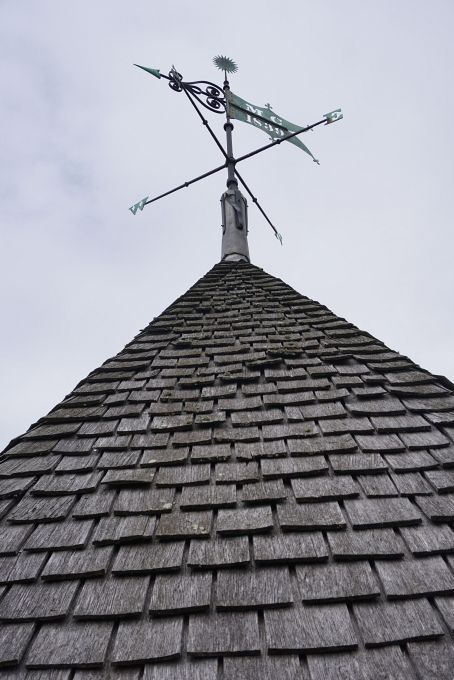
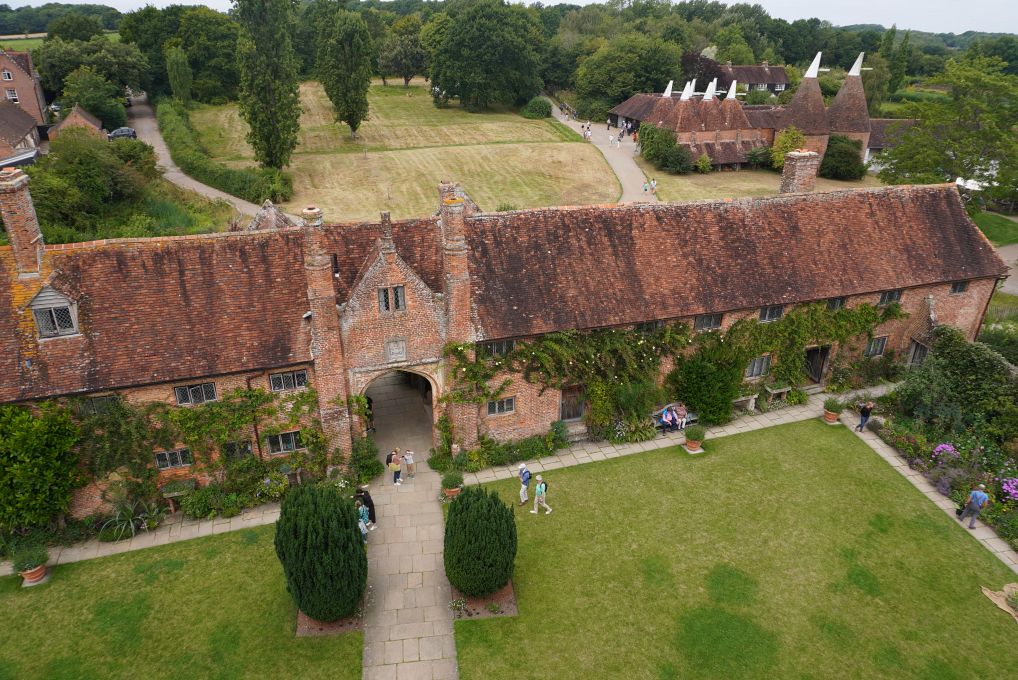
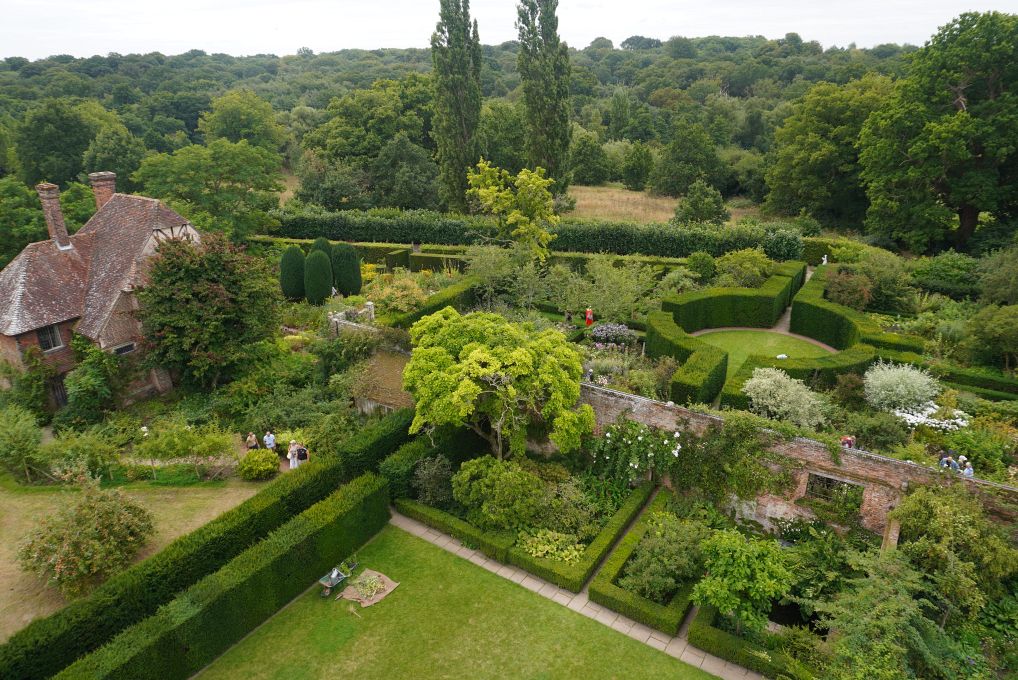
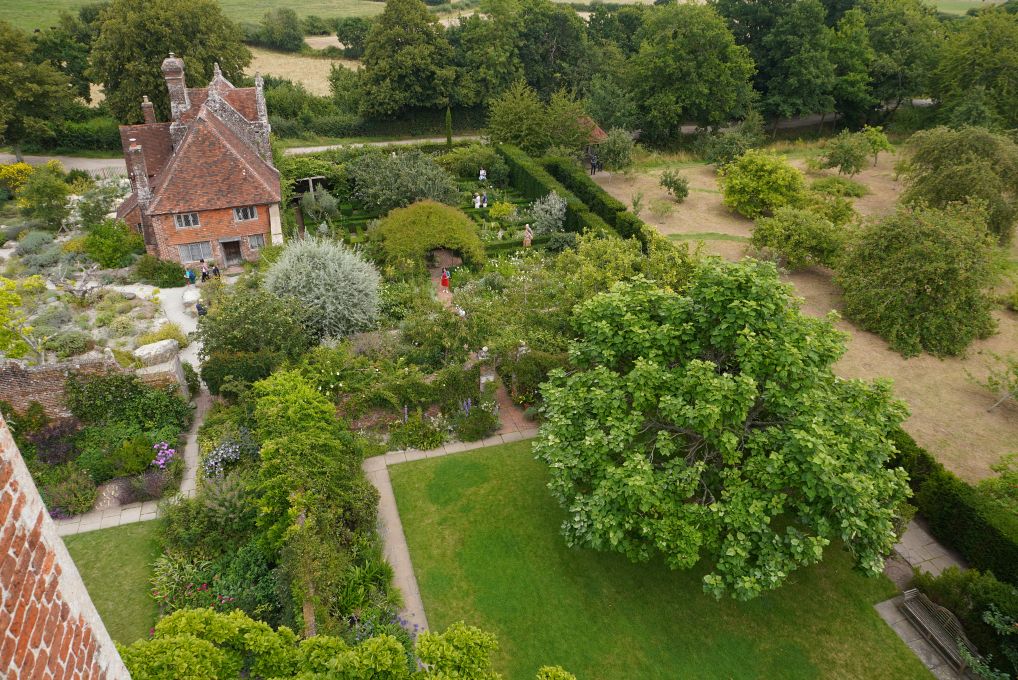
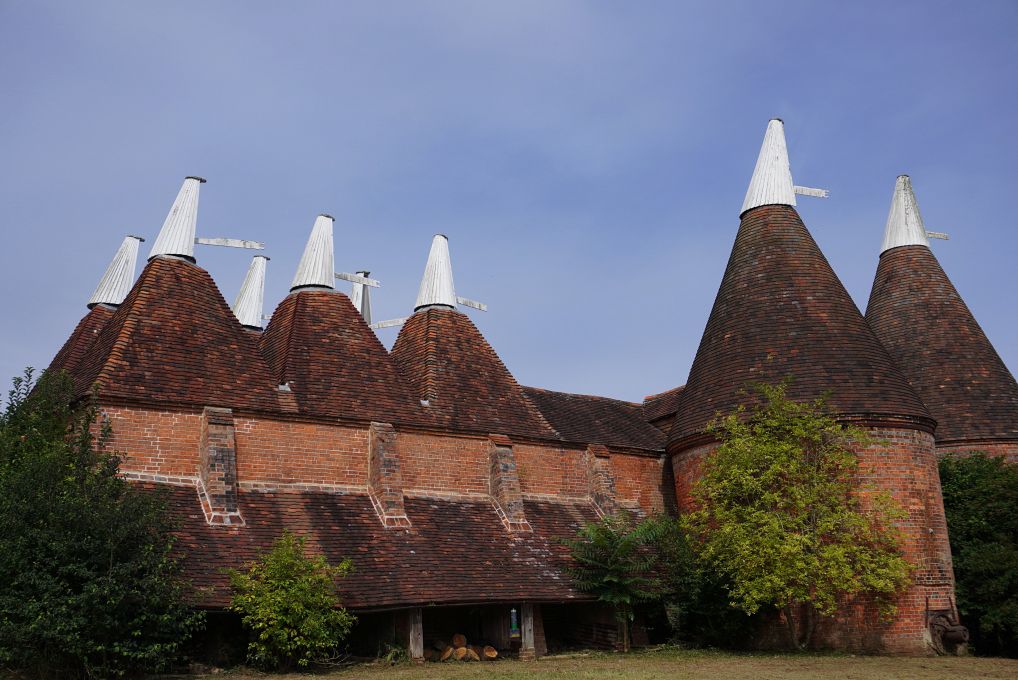
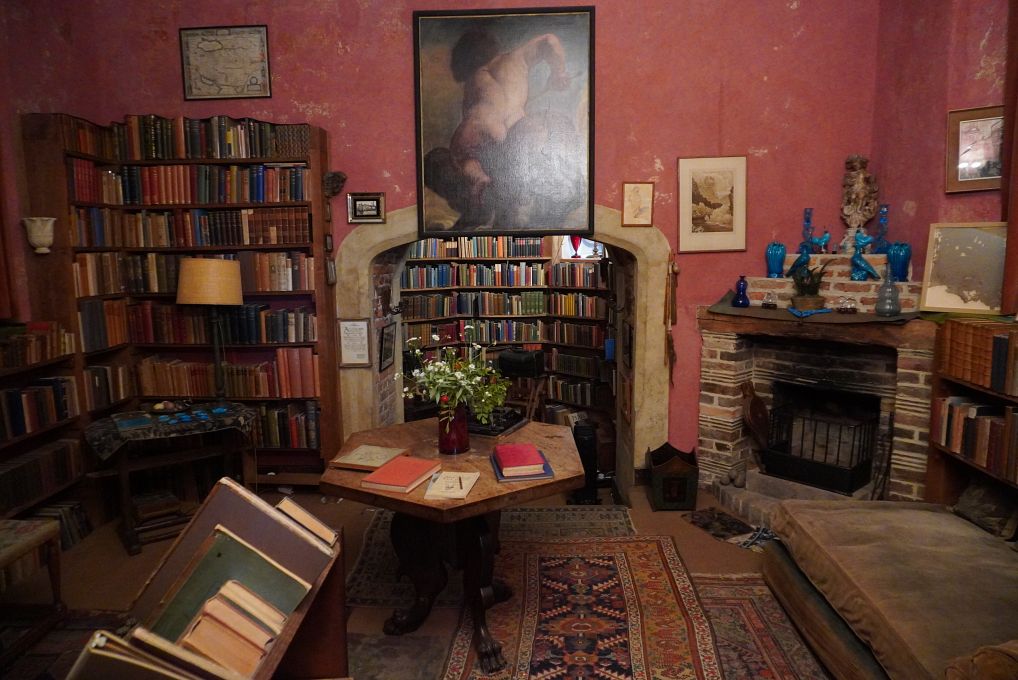
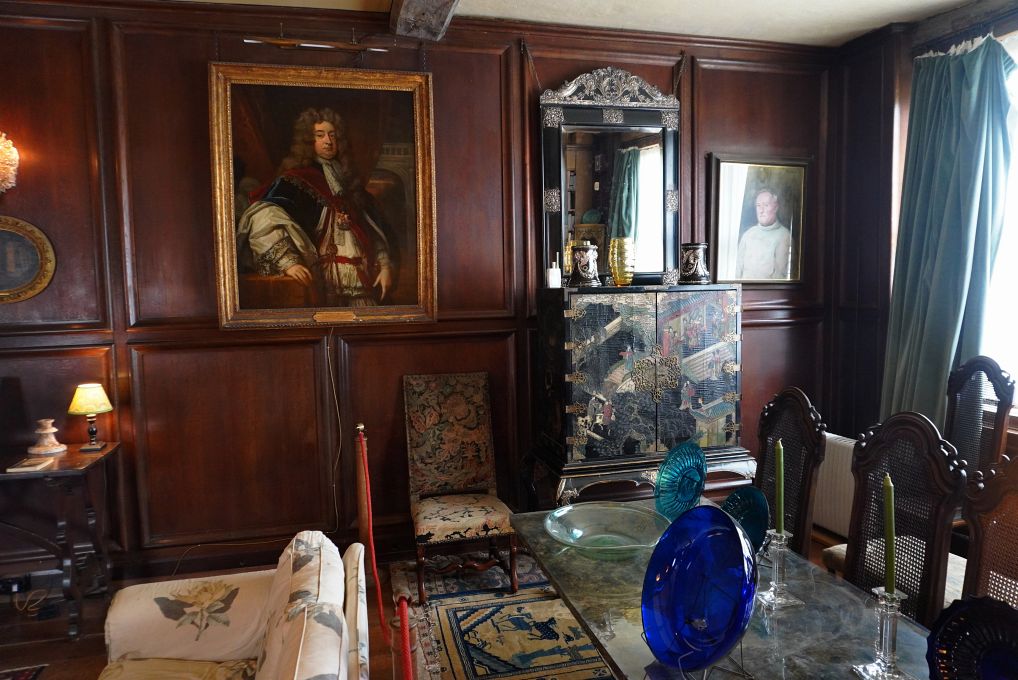
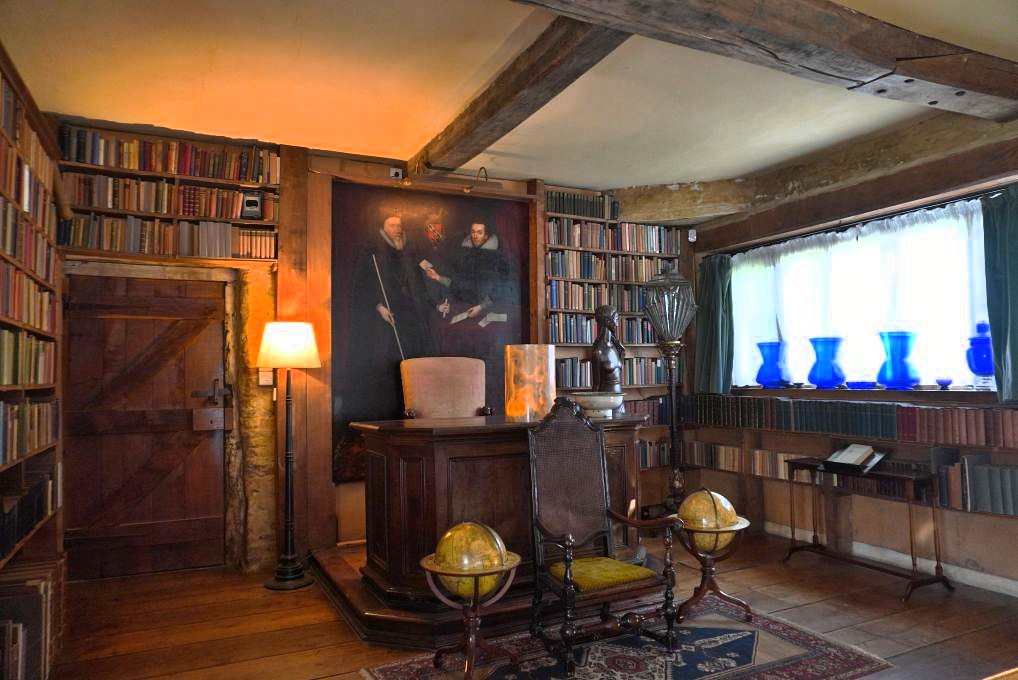
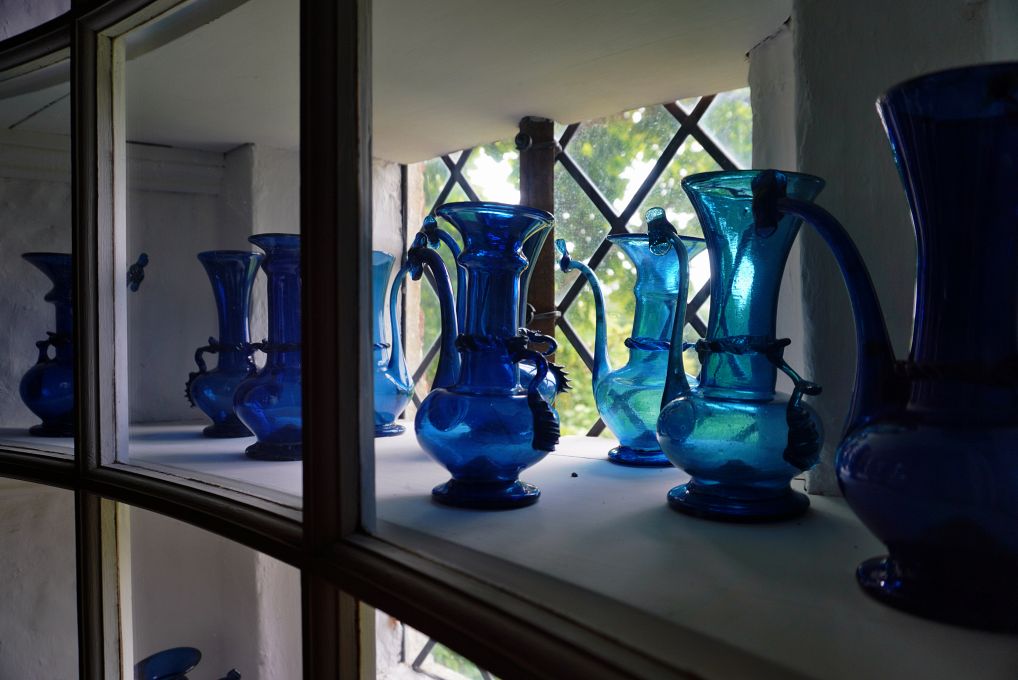
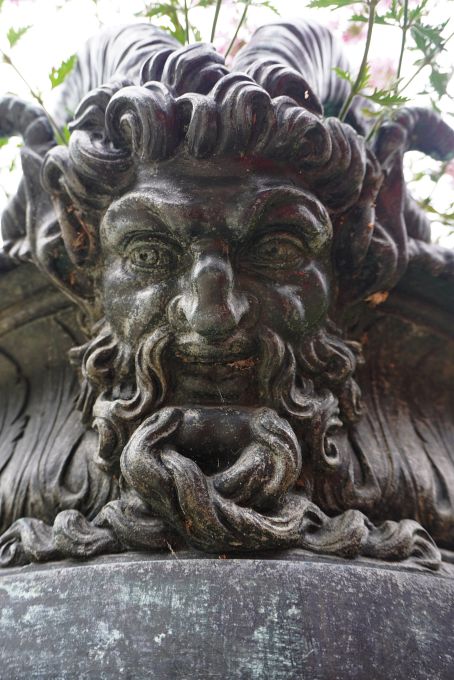
Detail of a vase in front of the entrance. An alley with a long perspective in the garden; the tower can be seen on the left. Statue of Bacchus in the garden. Model of Sir Richard Baker's house as built circa 1560. The only remaining parts are the tower and the long building on the left of the picture (the so-called west wing, home to the Library), all the rest has been destroyed. None of the buildings were inhabitable when Vita and Harold arrived and the grounds were full of rubbish: they indeed faced a huge task. Approaching the tower from the east through the orchard. The alley is lined by apple and other fruit bearing trees. The tower is what sold the place to Vita and she installed her office on the first floor. She wrote: 'I fell in love; love at first sight. I saw what might be made of it. It was Sleeping Beauty's Castle...'. One of the weather vanes on top of the tower. View over the west wing from the top of the tower. Right from the gateway is the Library, the left side is closed to the public. The buildings with the white chimneys are oats houses (see picture 20 for details and explanation). The garden with the Rondel on the right and the south cottage on the left seen from the top of the tower. The Lime Walk, designed by Harold, can be seen between the two poplars and the last neatly cut hedge. The south cottage was Harold's space where he wrote his books and retreated. It is now a private space used by the couple's grandchildren and closed to the public. Another view of the garden with Priest's House cottage located on the edge of the Delos Garden. It is believed to have been part of the former Elizabethan mansion and is now rented by National Trust as holiday cottage. These buildings are called oats houses and are used to dry hops. Freshly harvested hops are spread out on the upper floor on a perforated wooden floor to allow the heat from a fire maintained on the ground floor to dry the hops by evaporating the water contained in the sheaves (the moisture content must be reduced from around 80% to less than 10%). The chimneys are used to remove smoke and circulate air and are movable so that ventilation can be optimised according to the direction of the wind. Vita's office in the tower. Inside the Library: it was once a stables and saddle room. It contains more than 4000 books and this is where Vita and Harold entertained their guests. The portrait on the left shows Charles Sackville, 6th Earl of Dorset (1638-1706). Click here for a better view and some details. Inside the library. The painting shows "Thomas Sackville, 1st Earl of Dorset (1536-1608) being presented with Petitions by his Secretary", attributed to John de Critz, the Elder (Antwerp 1551/52 - London 1642). Click here for a better view and some details. There are many items made of blue glass in the house. These are 18th century scent bottles from Persia.

[Go to Top]

Go back to Hever Castle: the ghost of Anne Boleyn or go on to Scotney Castle or go up to Kent


$ updated from: South East England.htxt Sun 24 May 2026 15:57:34 trvl2 — Copyright © 2026 Vero and Thomas Lauer unless otherwise stated | All rights reserved $