


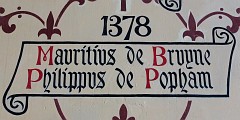
Cleeve Abbey
(vero;2025-Nov-11)
Cleeve Abbey is an English Heritage property located in Washford, some eight miles east of Minehead in Somerset. We visited in October 2025, the entrance fee was 7.20£ for non-members (5.90£ online) and the car park was free for all. Click here for up-to-date visitor information.
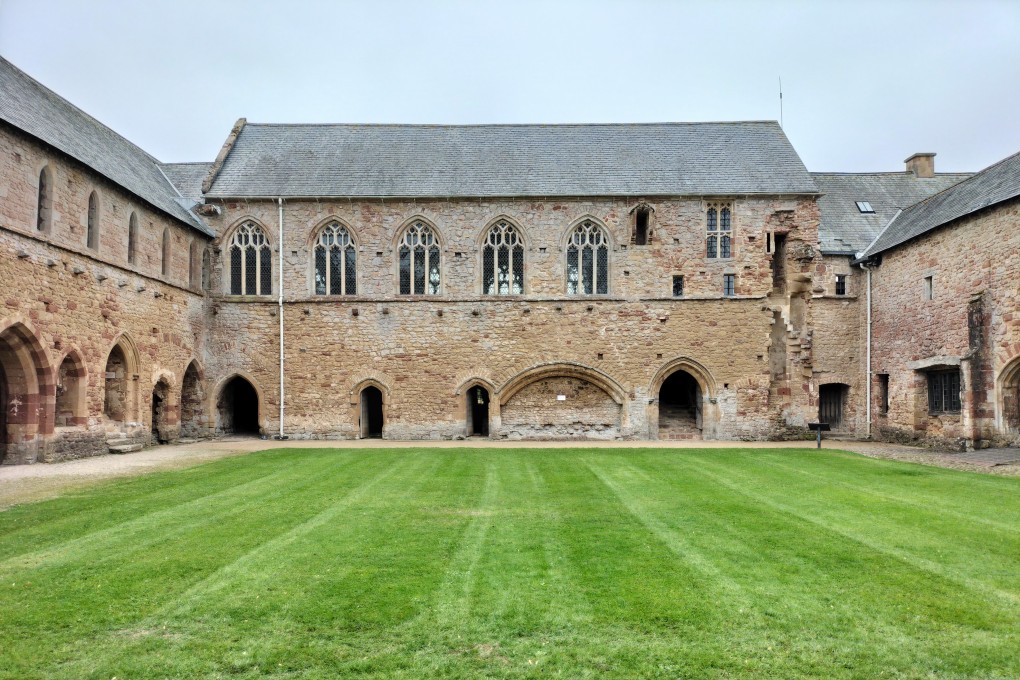
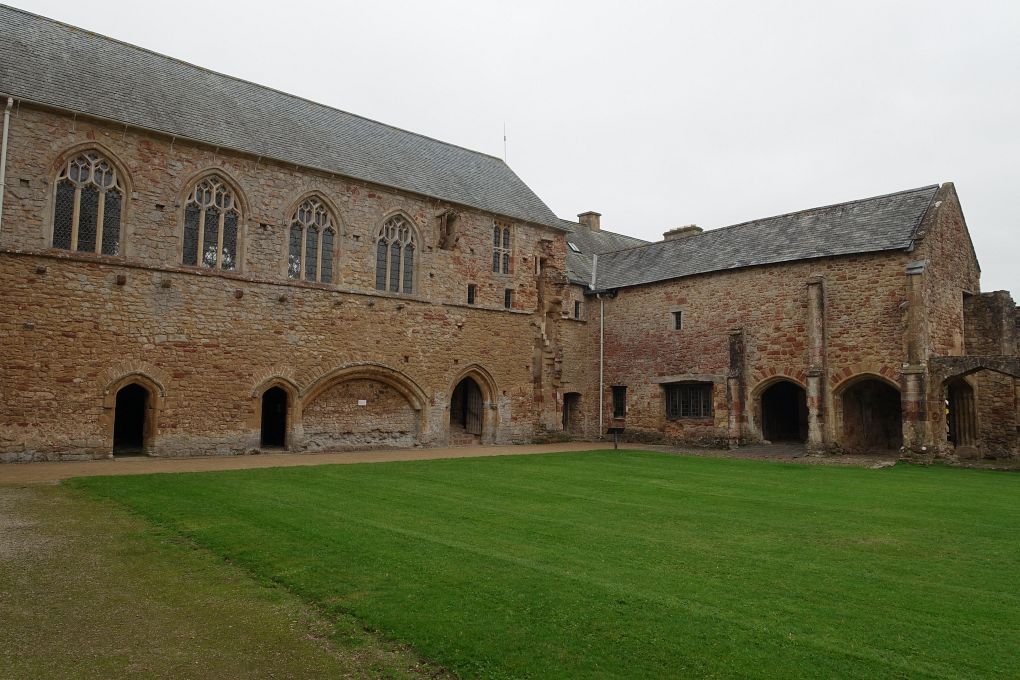
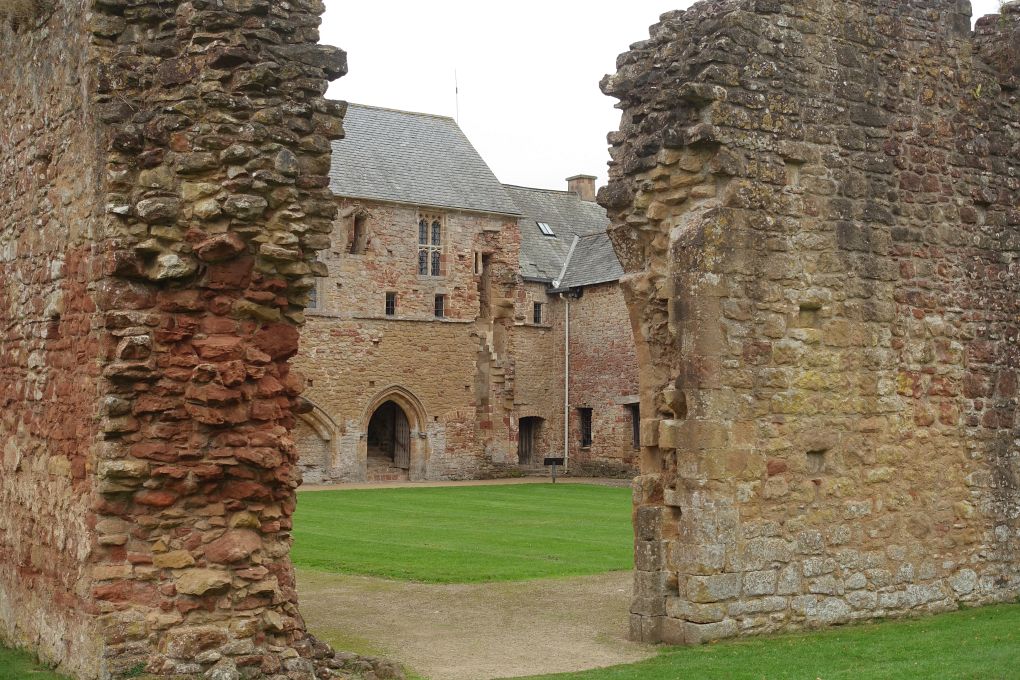
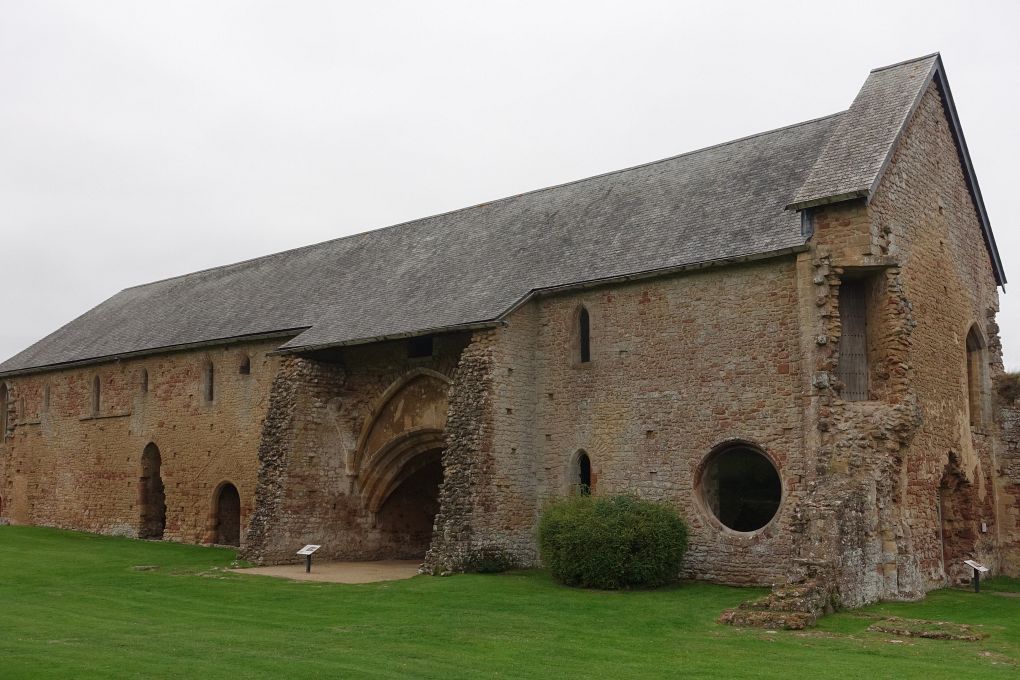
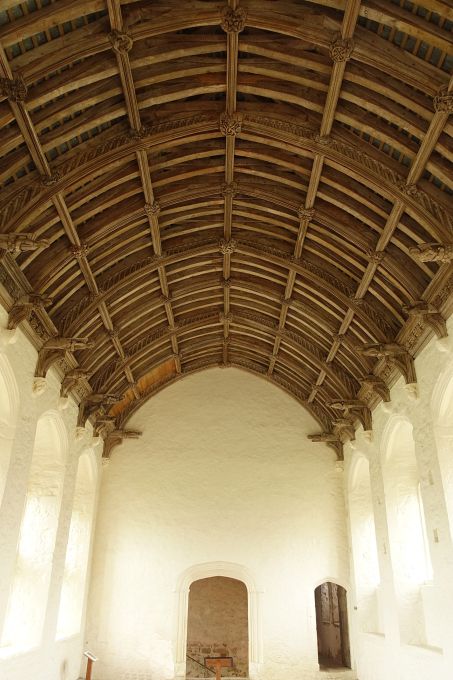
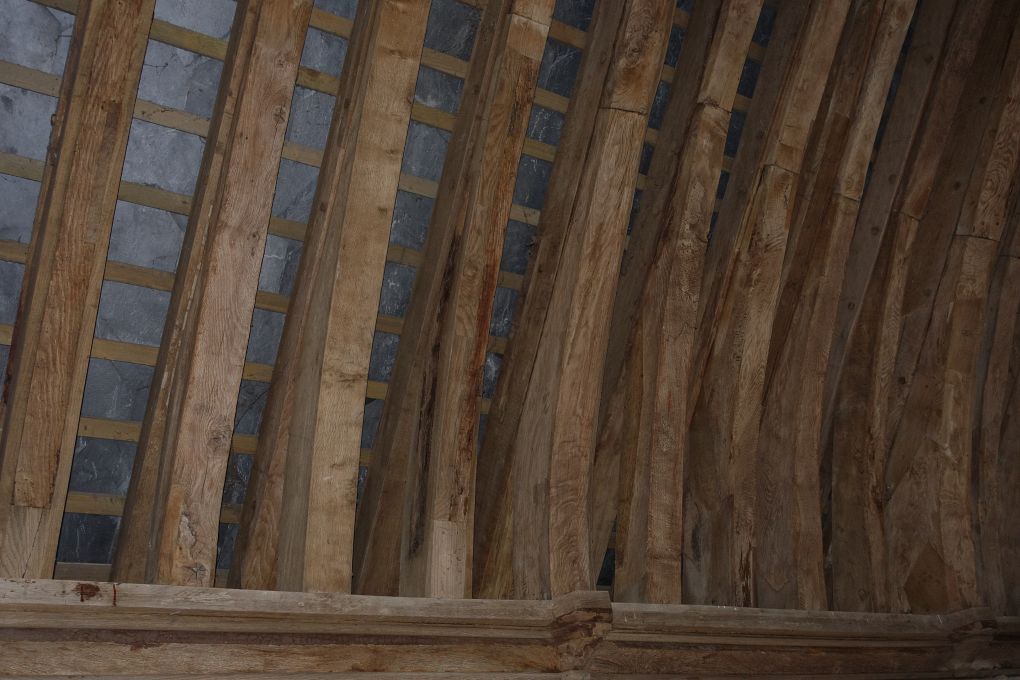
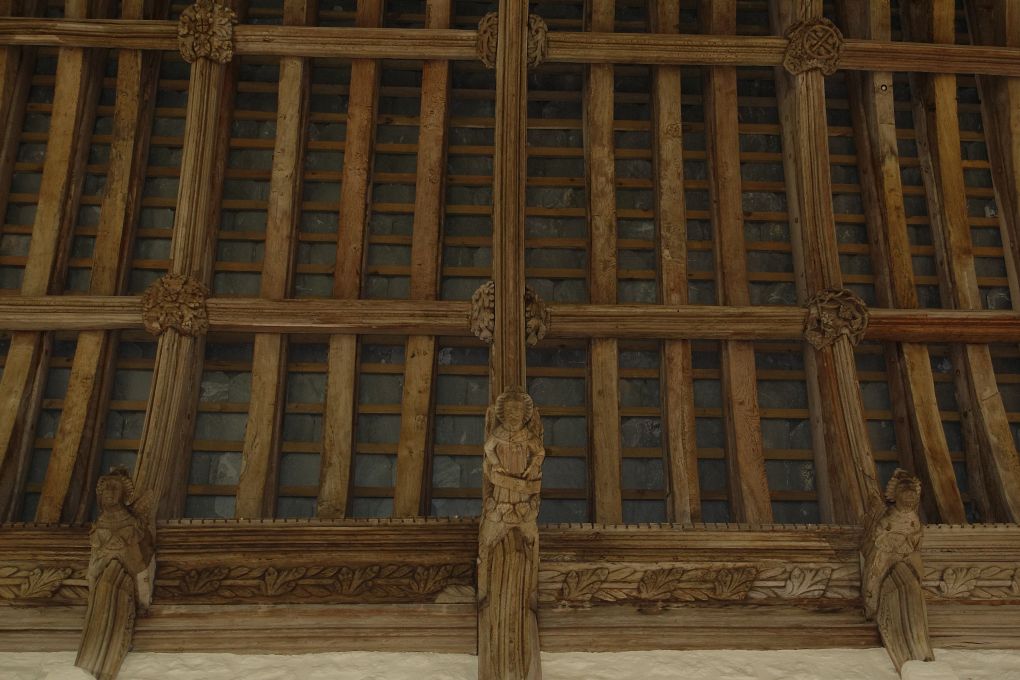
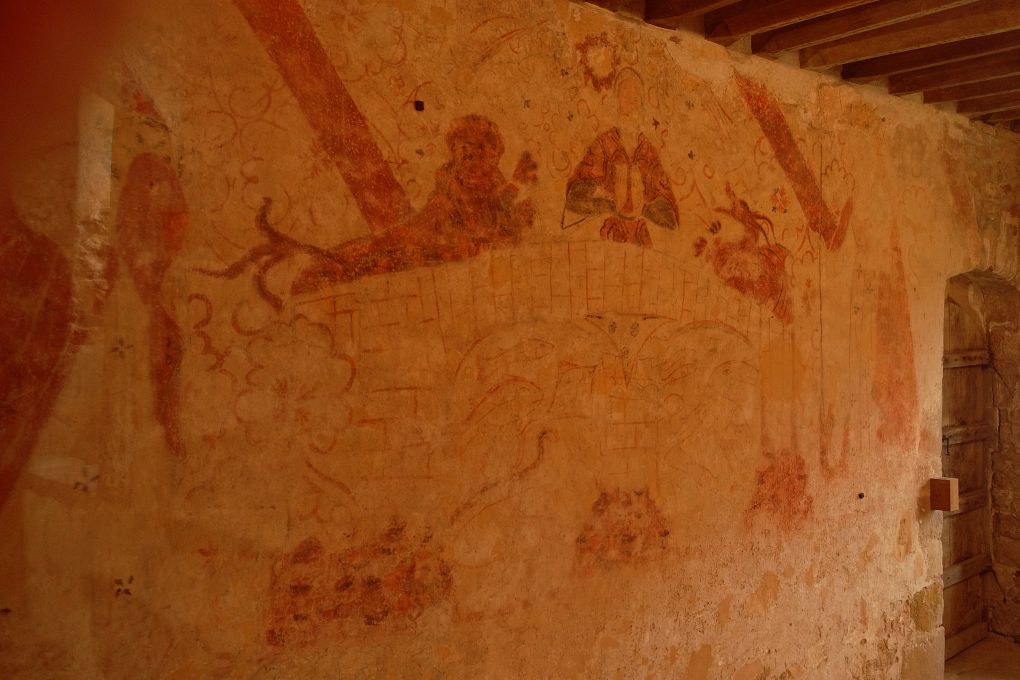
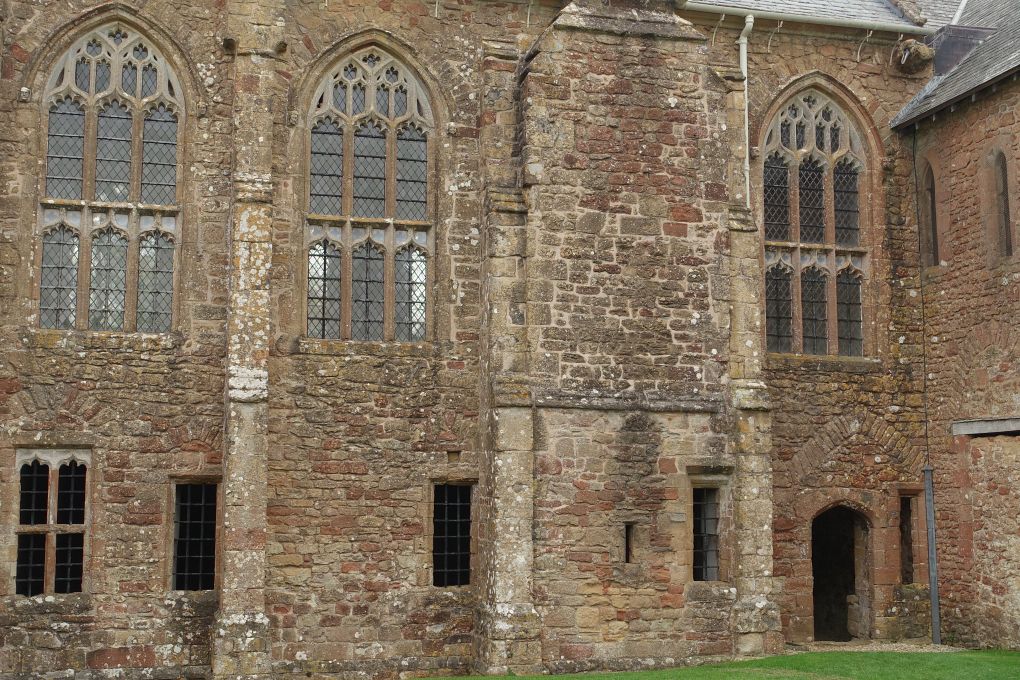
The abbey was founded at the end of the 12th century by William de Roumare, Earl of Lincoln who gave all his lands at Cleeve for the building of a Cistercian abbey. The first monks took residence in 1198; the abbey prospered rapidly and was progressively enlarged until its full completion at the end of the 13th century. It was radically improved in the 15th century under the 50-year rule of abbot David Juyner who modernised the complex by creating private chambers for the monks, building a completely new refectory (which resembled more the hall of a secular lord than its frugal predecessor) and adding offices and rooms for himself.
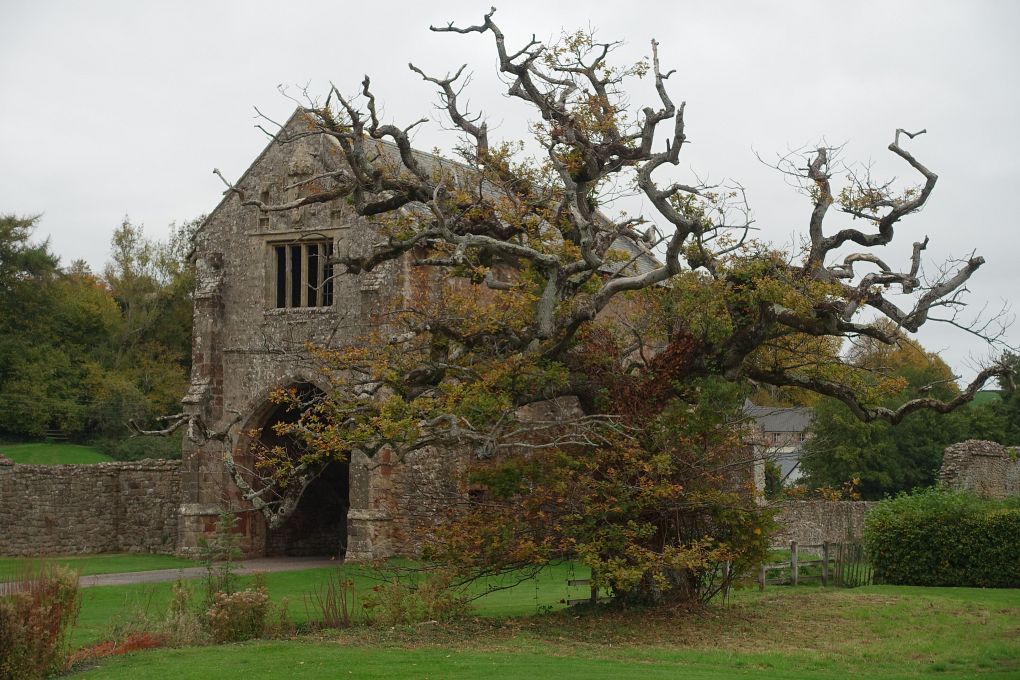
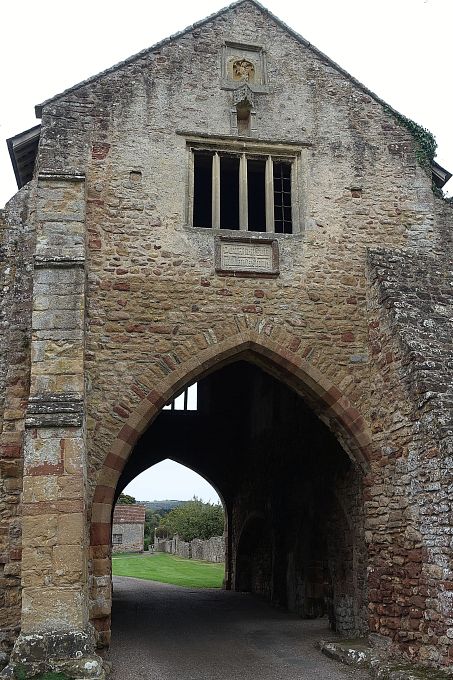
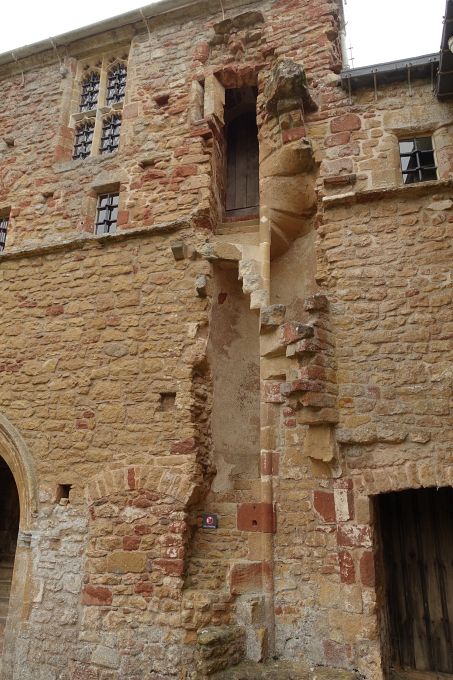
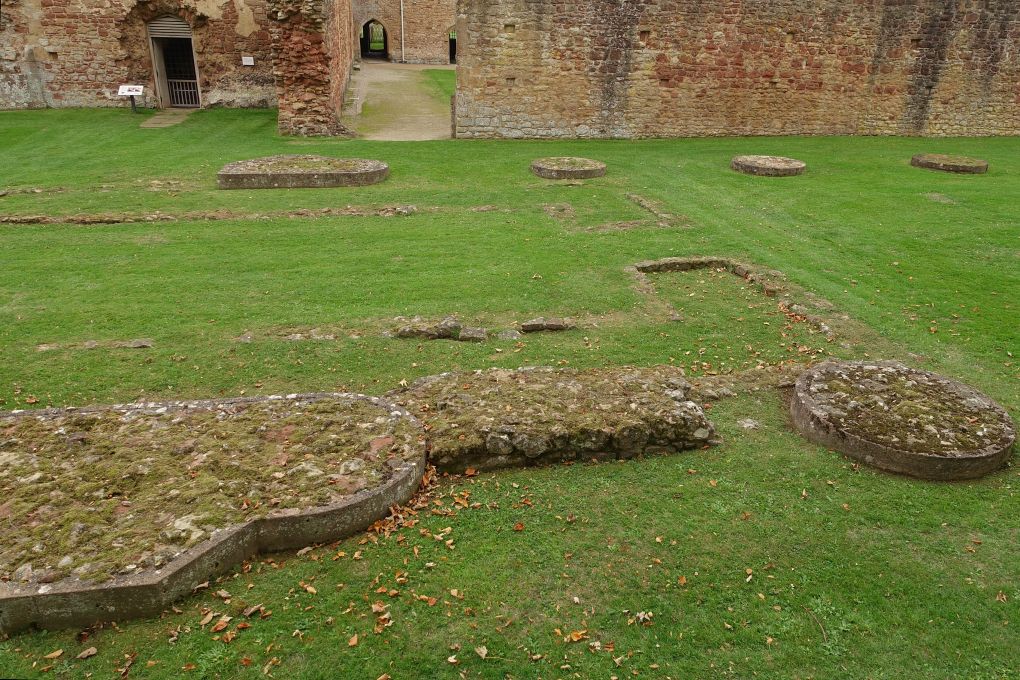
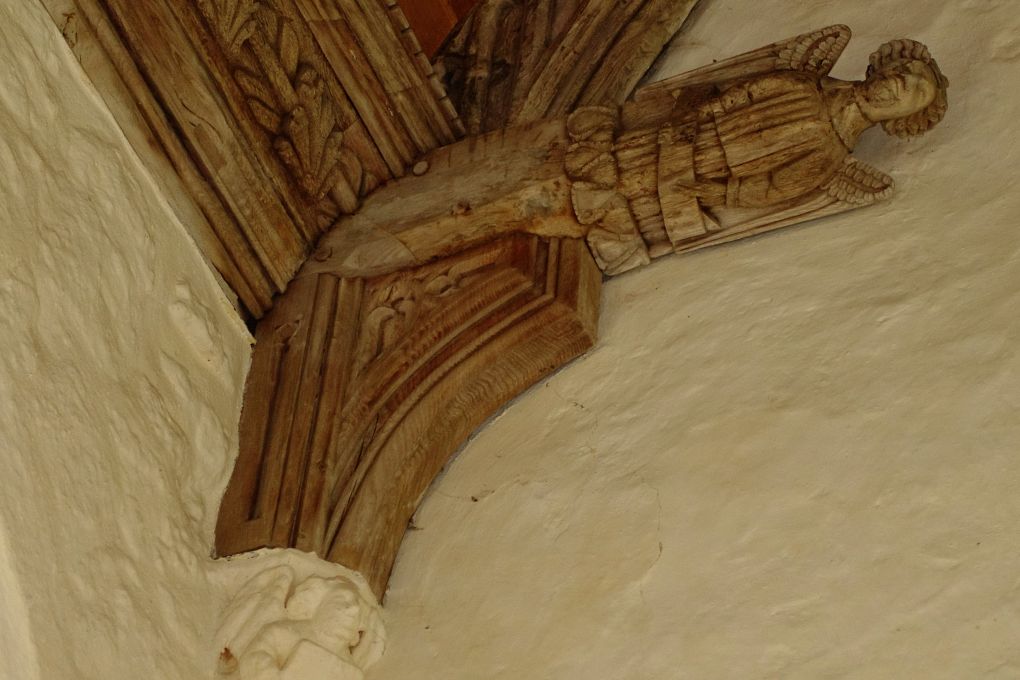
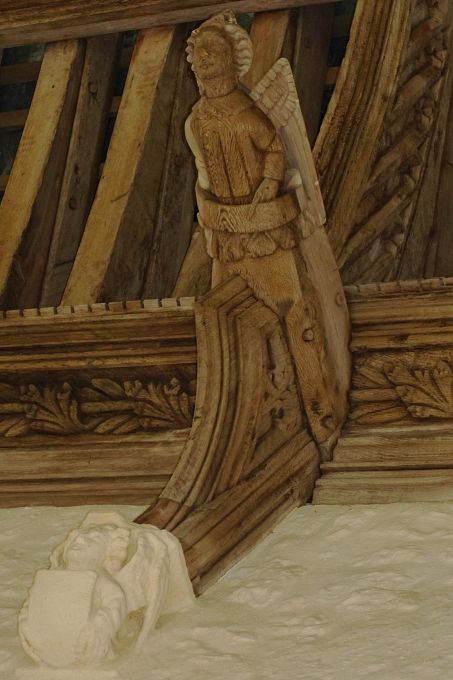
Abbot William Dovell completed the renovations in the 16th century with a remodelling of the great gatehouse, the building of a new west cloister alley and a further extension of the abbot's lodgings. Alas, it was also under his rule that Henry VIII declared the dissolution of the monasteries: Cleeve's buildings and lands were sold in 1536 to the Earl of Sussex as a reward for his service. The abbey church was demolished but strangely enough, some of the cloister buildings were preserved. It could well be that the extensive and "luxurious" renovations led by the abbots saved the buildings by making them suitable for private use: the abbot's lodgings were turned into a manor house occupied by wealthy tenants with the refectory serving as a great hall.
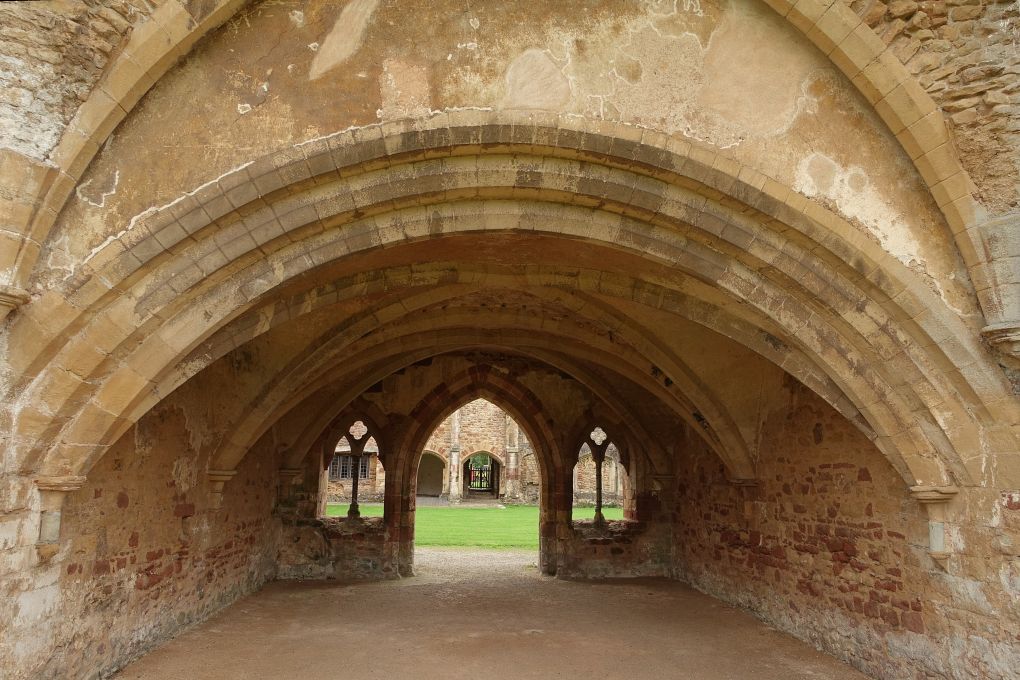
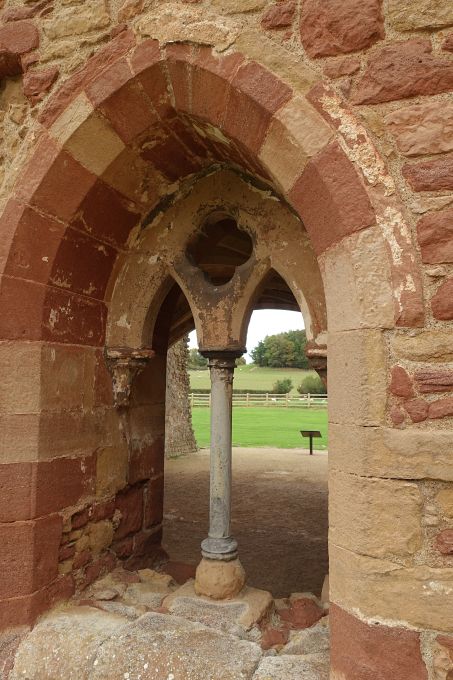
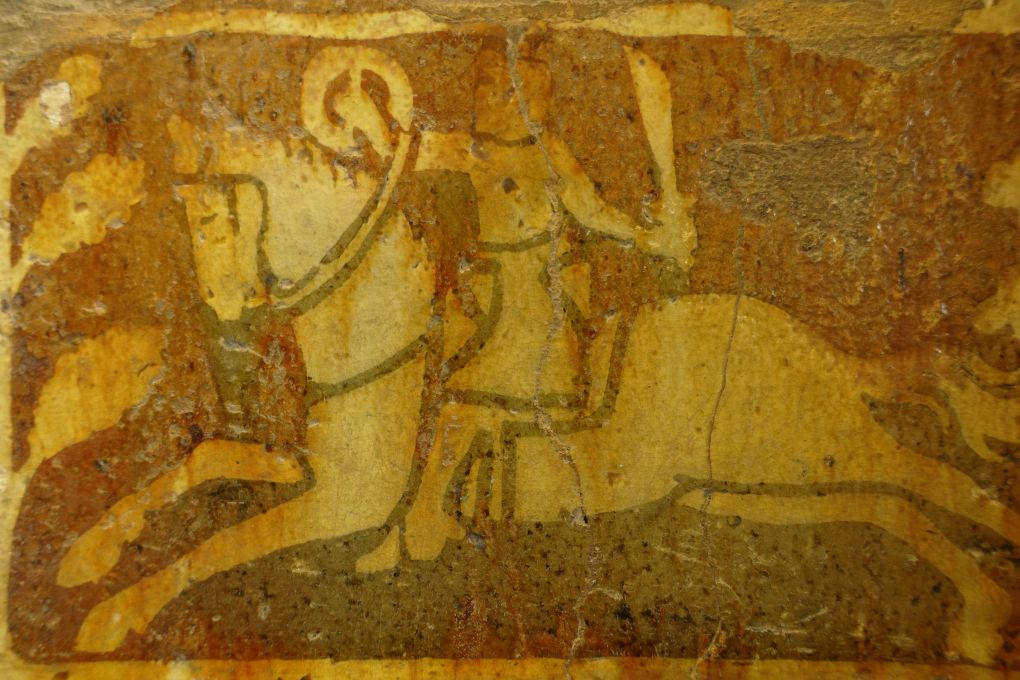
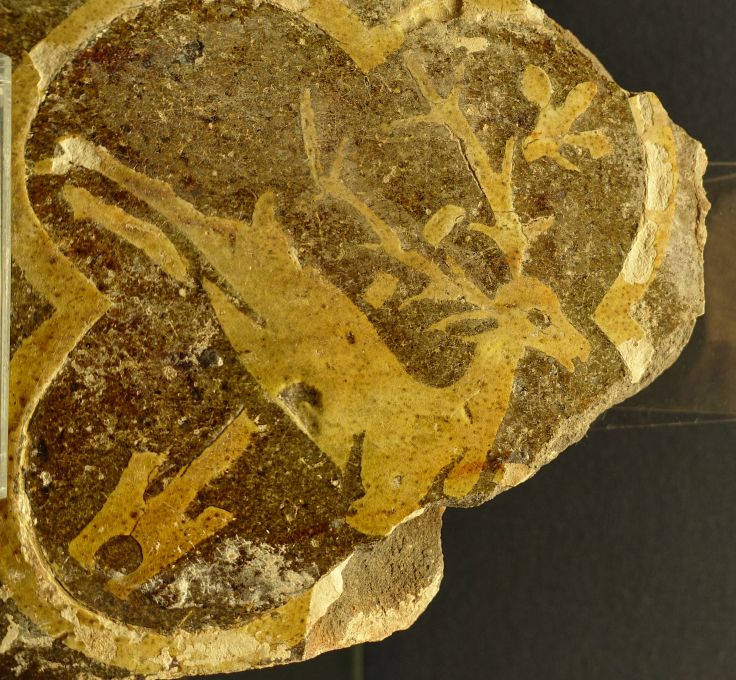
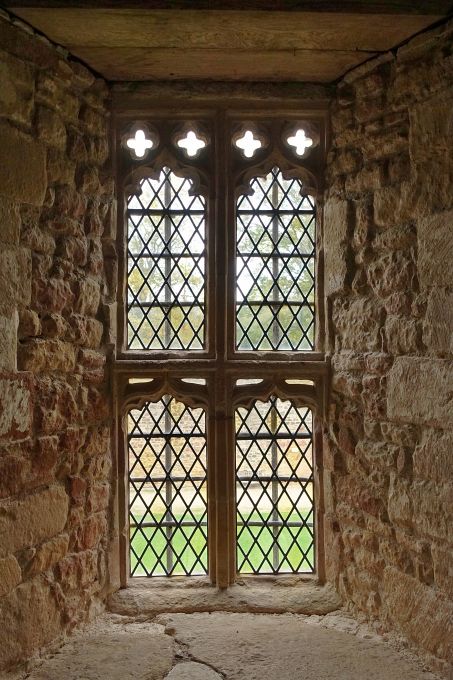
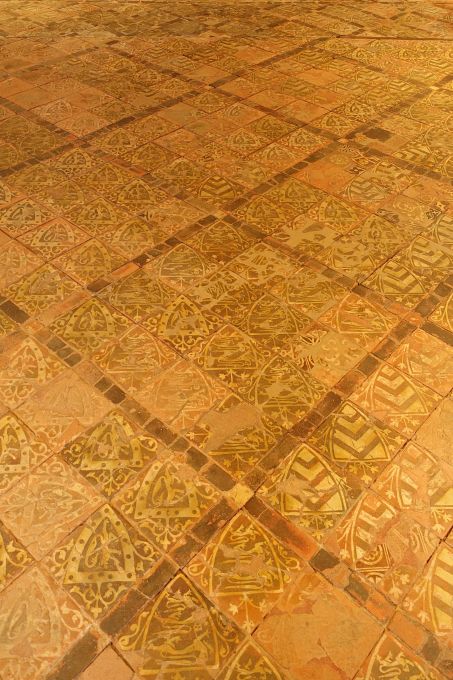
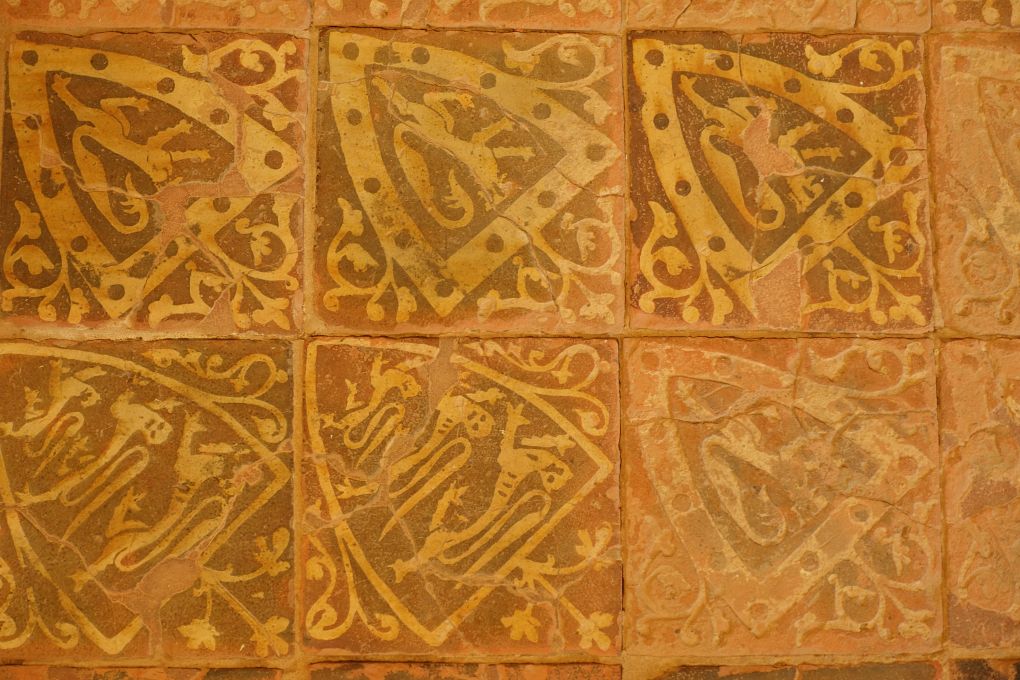
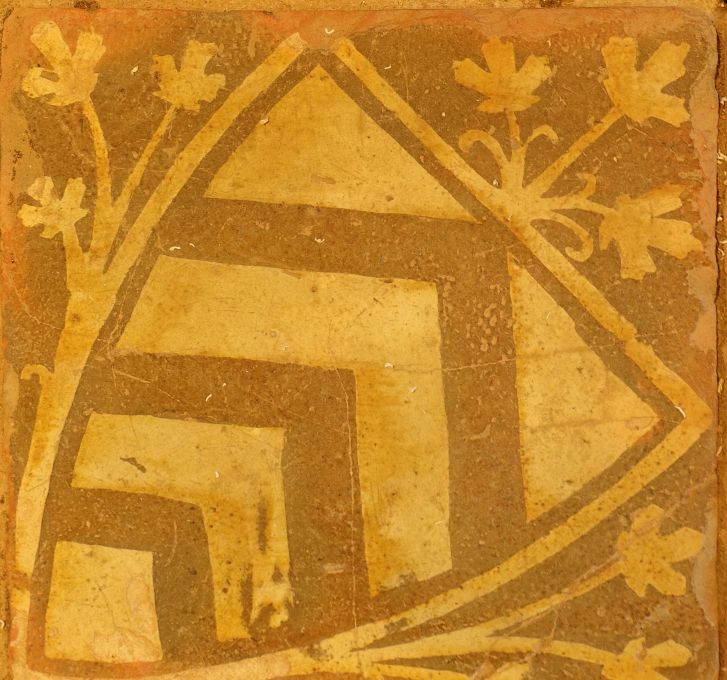
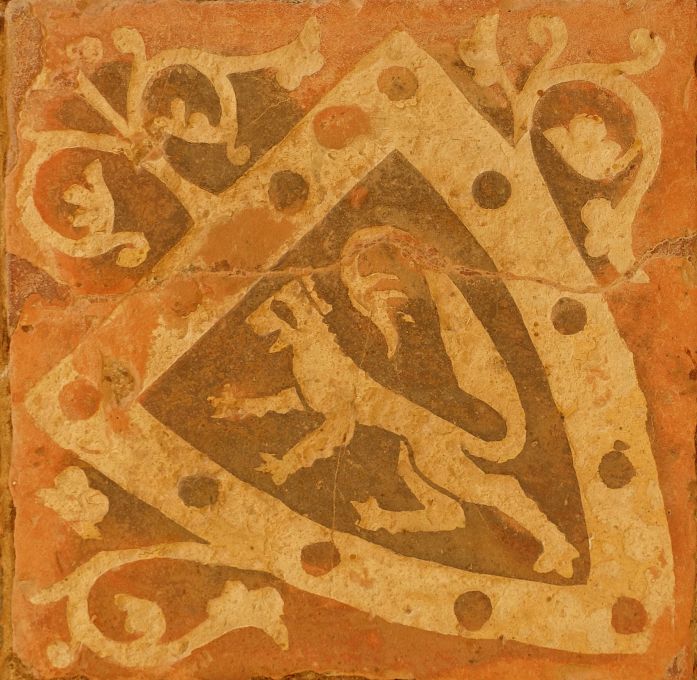
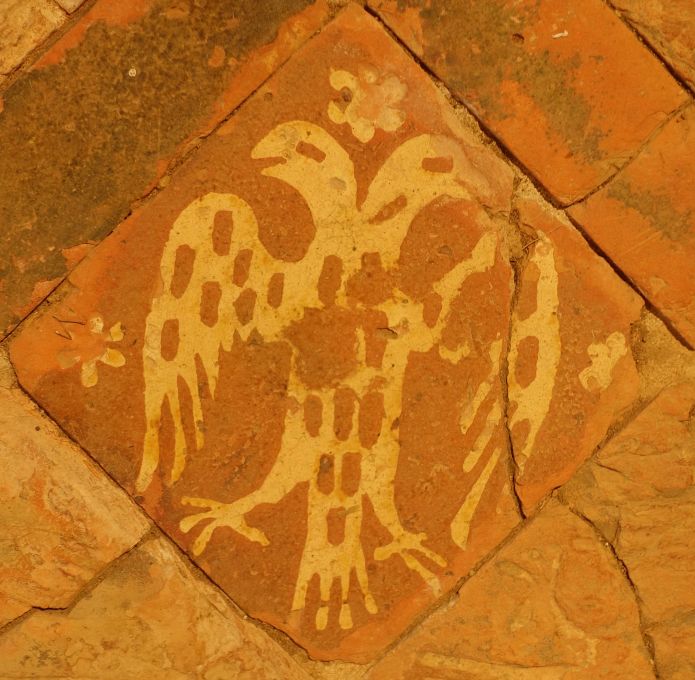
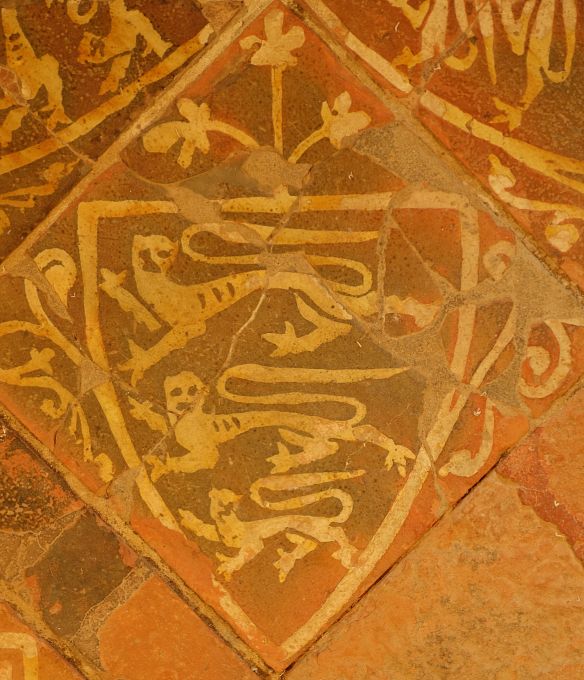
However, as the status of the tenants declined from gentry to yeoman farmers in the 17th century, the rooms of the abbey and manor were used as farm buildings and the cloister served as a farmyard. The site was bought in 1868 by George Luttrell, of nearby Dunster Castle, who after some preservation work (he excavated the famous 13th century tiled flooring of the original refectory) opened it to the public. The abbey was eventually sold to pay death duties in 1949 and thus passed to the Crown who undertook major restoration works and transferred it to English Heritage in 1984. Today Cleeve has some of the best-preserved monastic buildings in England, a welcome change compared to all ruins of abbeys dotted around the country.
Go back to The Jurassic Coast in Somerset or go up to Somerset
$ updated from: South West England.htxt Sun 24 May 2026 15:57:34 trvl2 — Copyright © 2026 Vero and Thomas Lauer unless otherwise stated | All rights reserved $