


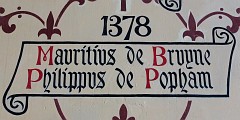
Scotney Castle
(vero;2026-March-30)
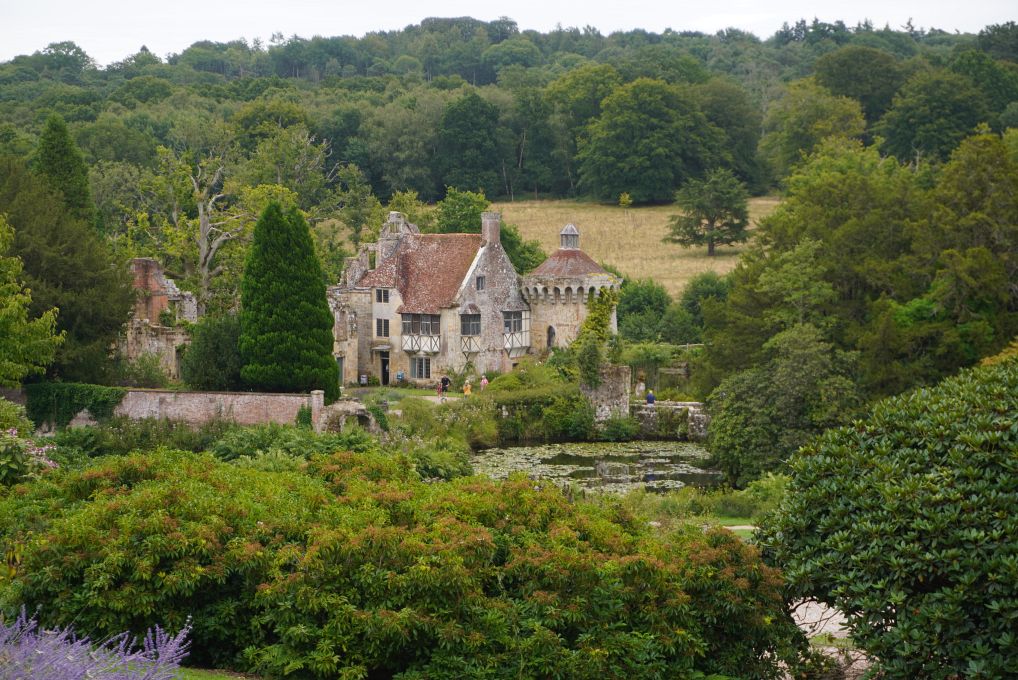
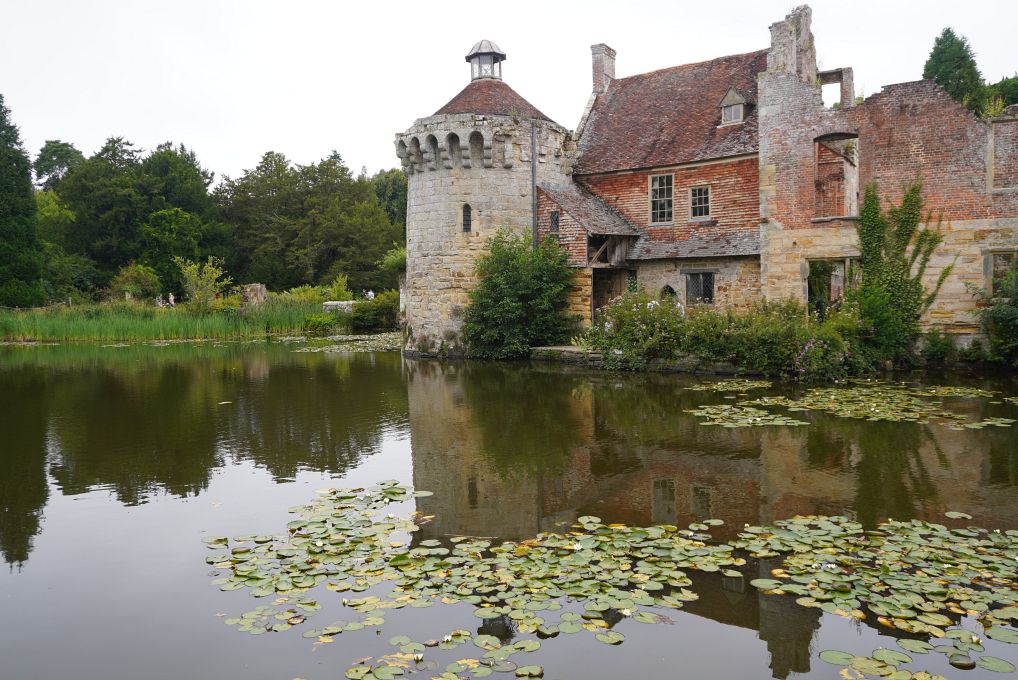
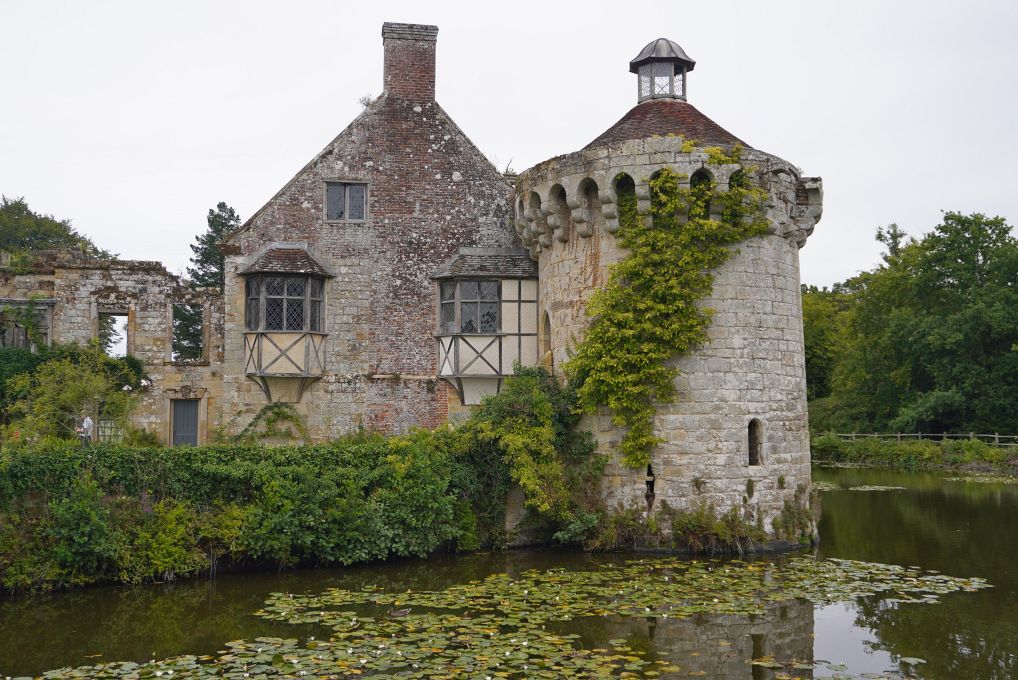
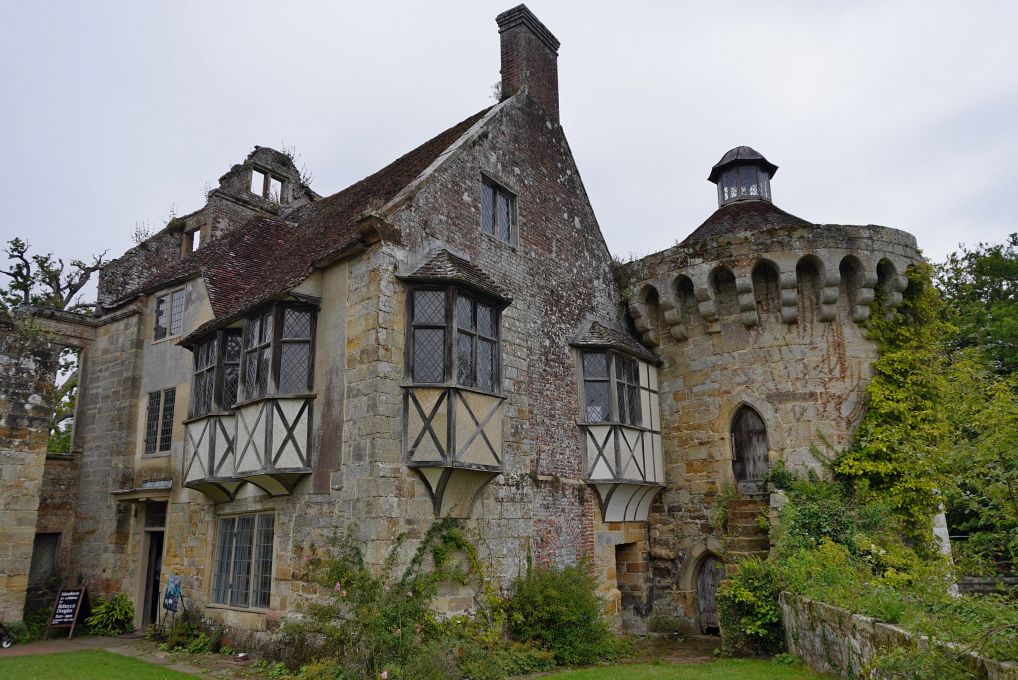
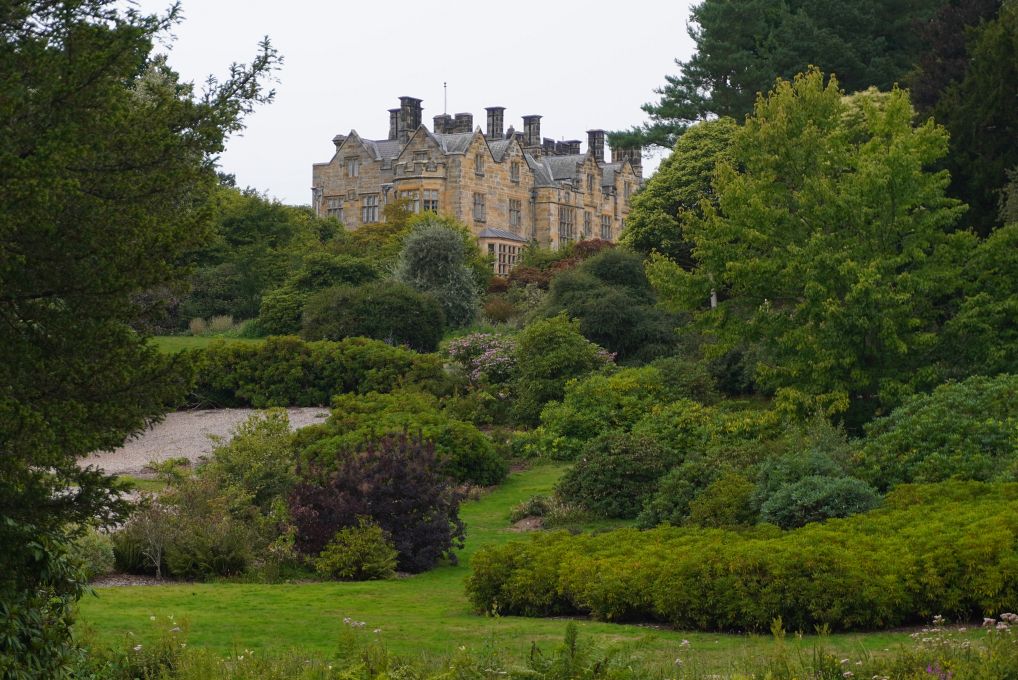
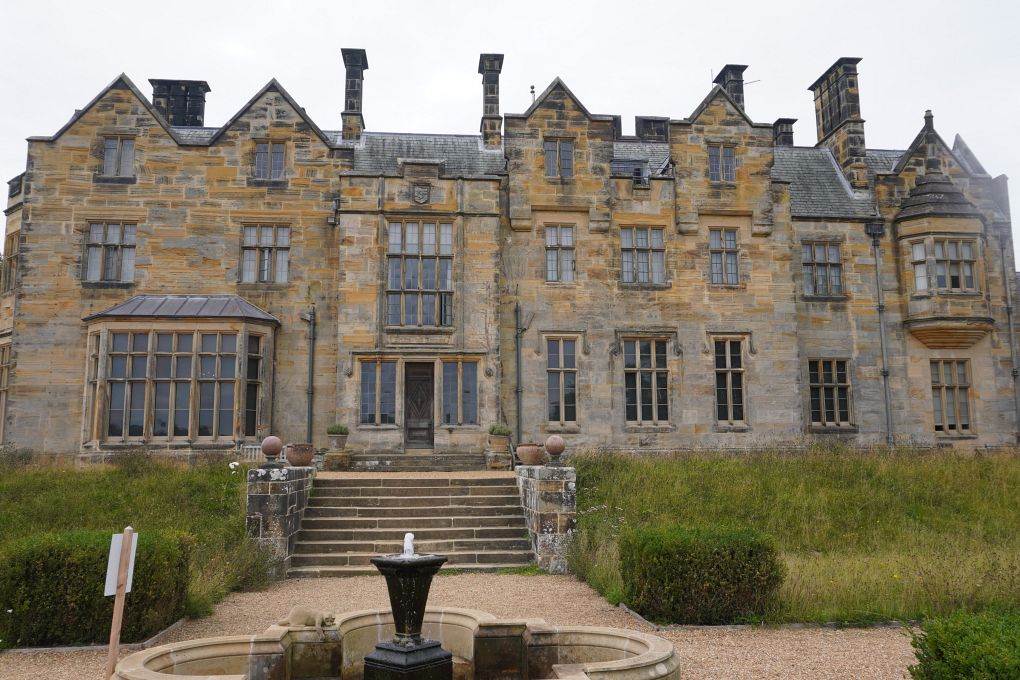
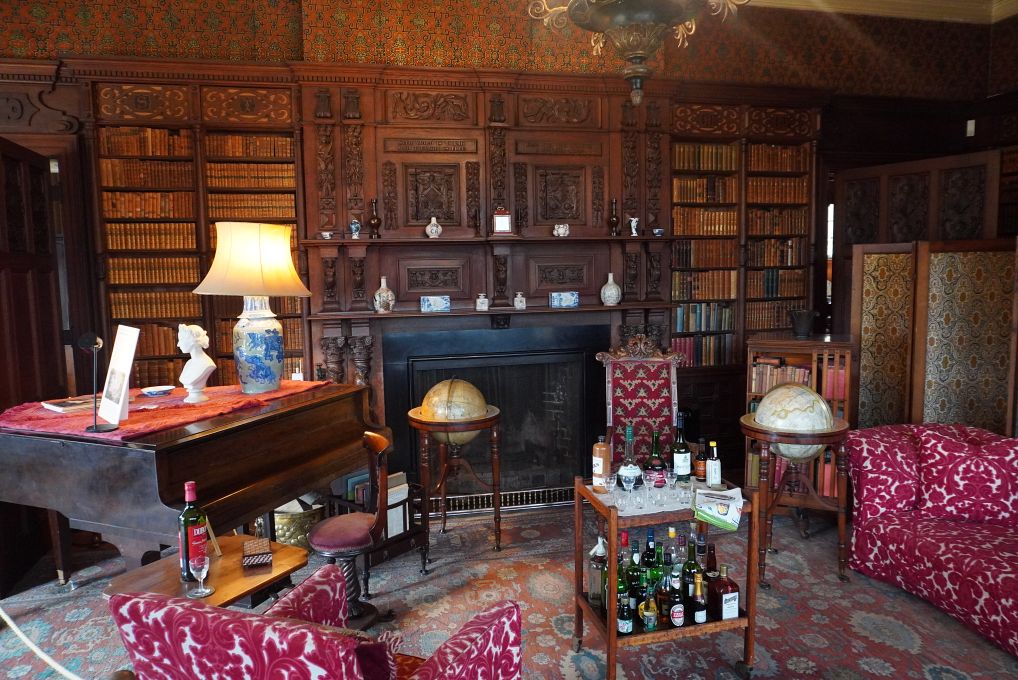
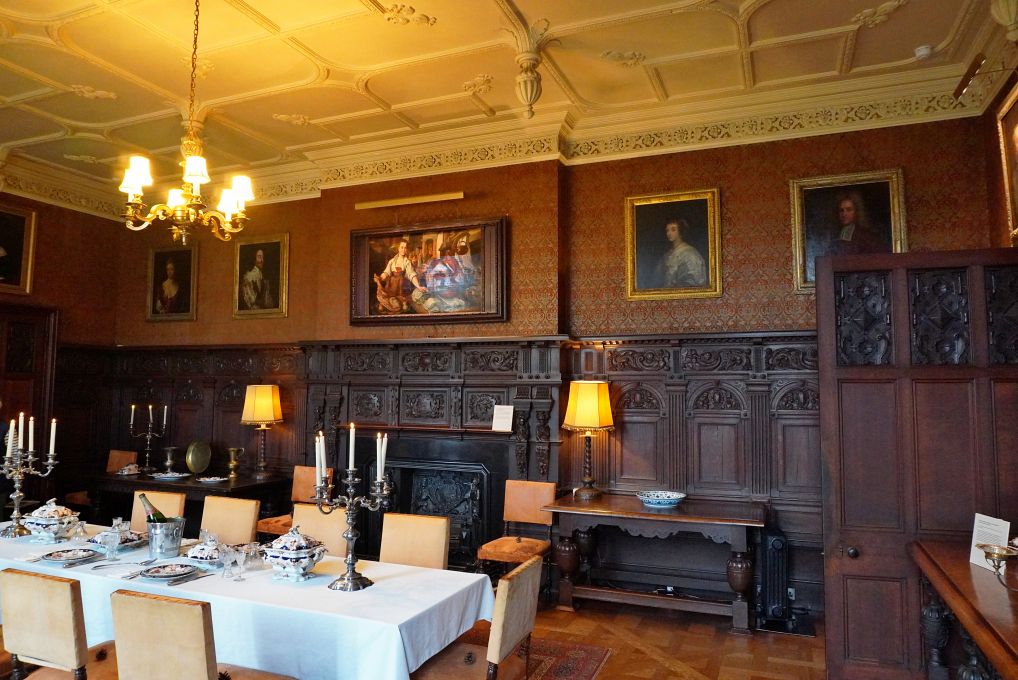
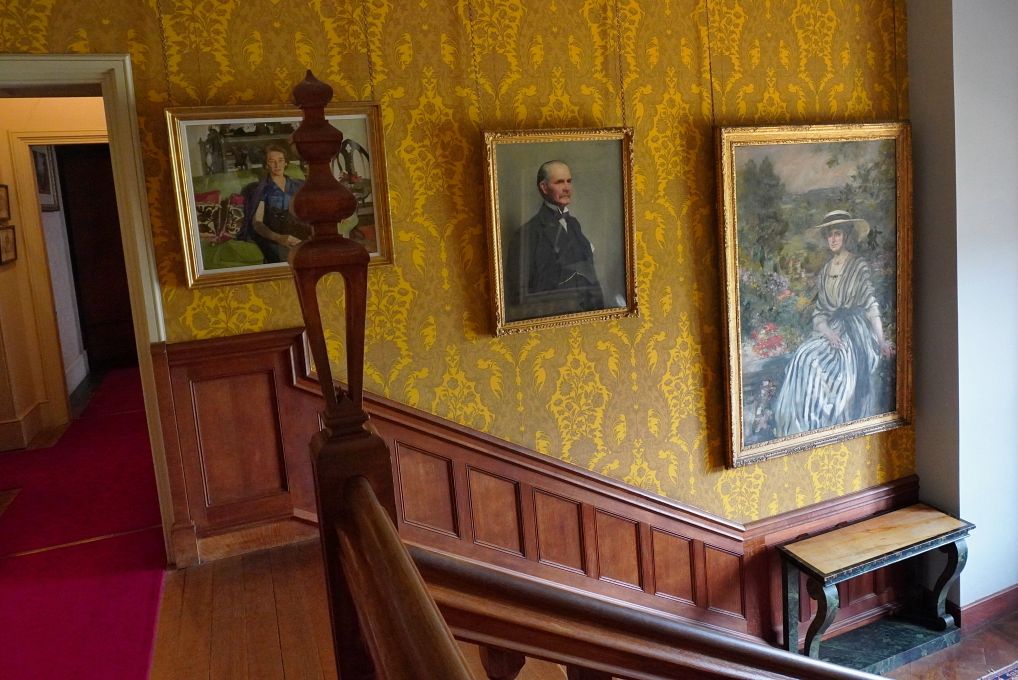
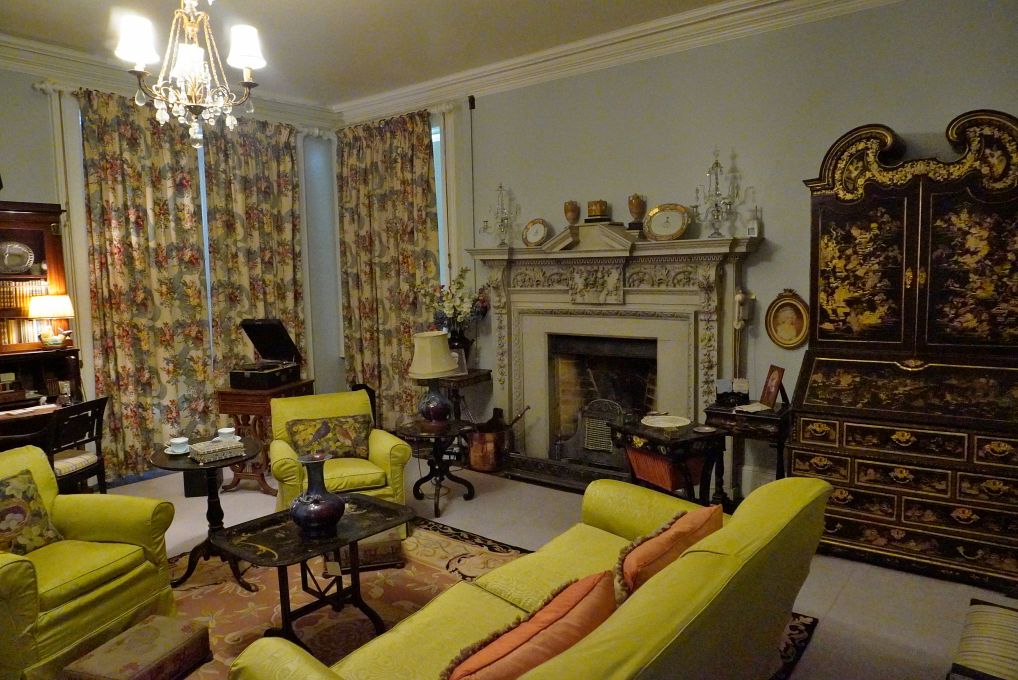
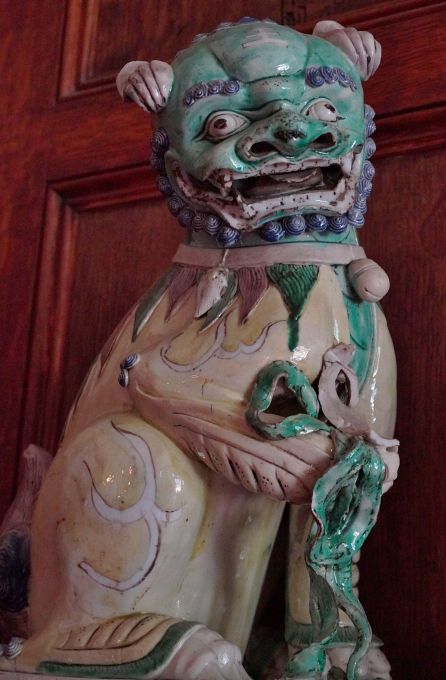
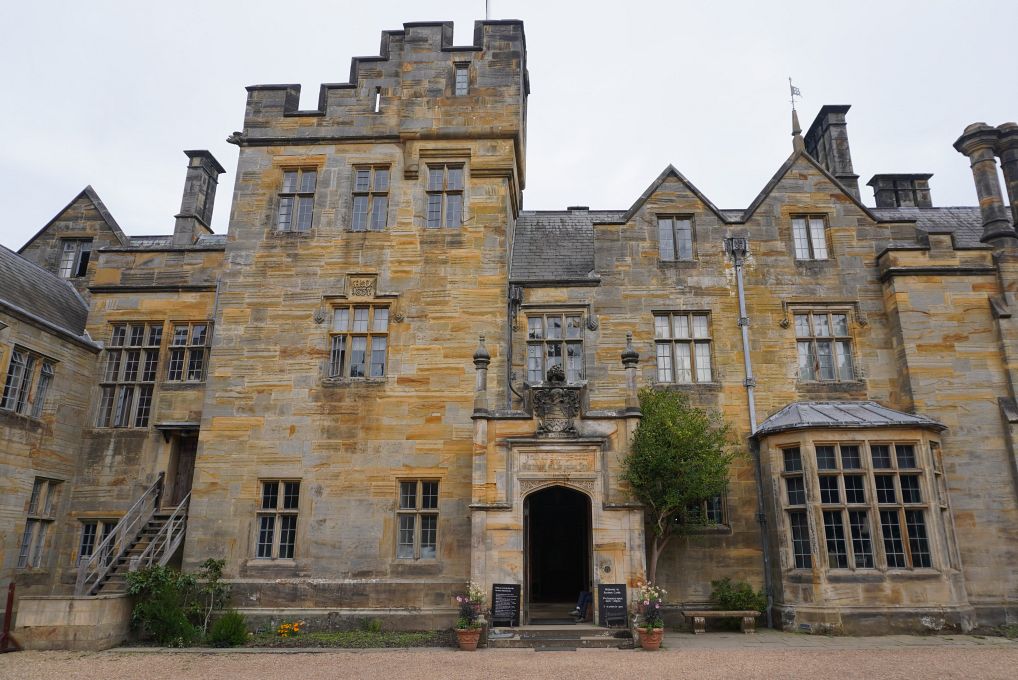
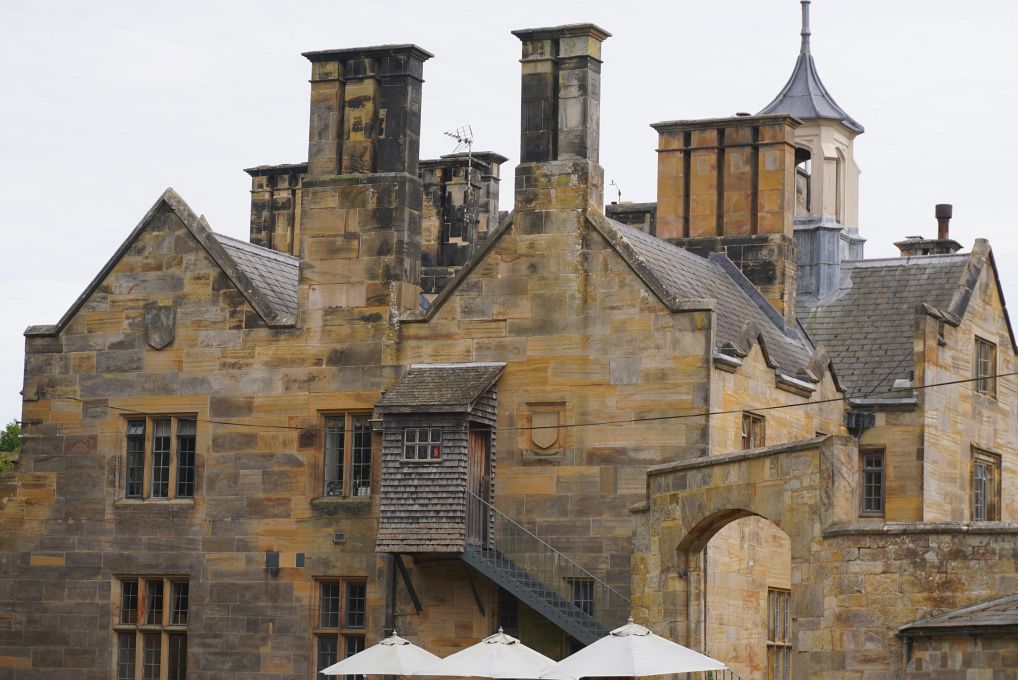
There is much to see at Scotney: a ruined medieval castle with moat, a Victorian mansion house on a hill, the whole complemented by a large park and a picturesque garden.
The place, originally called Courthope, dates back to the conquest of England and was listed in 1086 as the property of Bishop Odo of Bayeux, brother of William the Conqueror. It was acquired by the powerful de Scoteni family (from whom the name "Scotney" derives) in the 12th century before passing to the Ashburnham family. The old castle was built around 1378-80 by Roger Ashburnham (died 1392) and like nearby Bodiam Castle, was designed as a fortified manor house to protect against possible French invasion. The Ashburnham family held Scotney until 1418 when they sold it to Henry Chichele, Archbishop of Canterbury (c.1364-1443) who gave it to his niece, Florence (1390-1465), wife of John Darrell of Ashford (1386-1438).
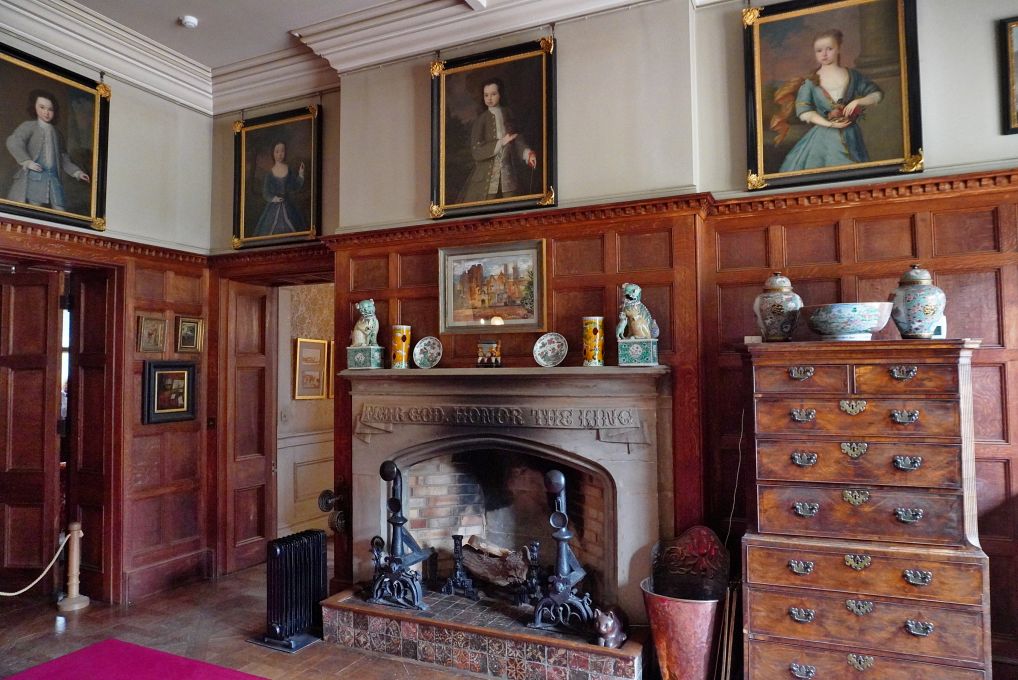
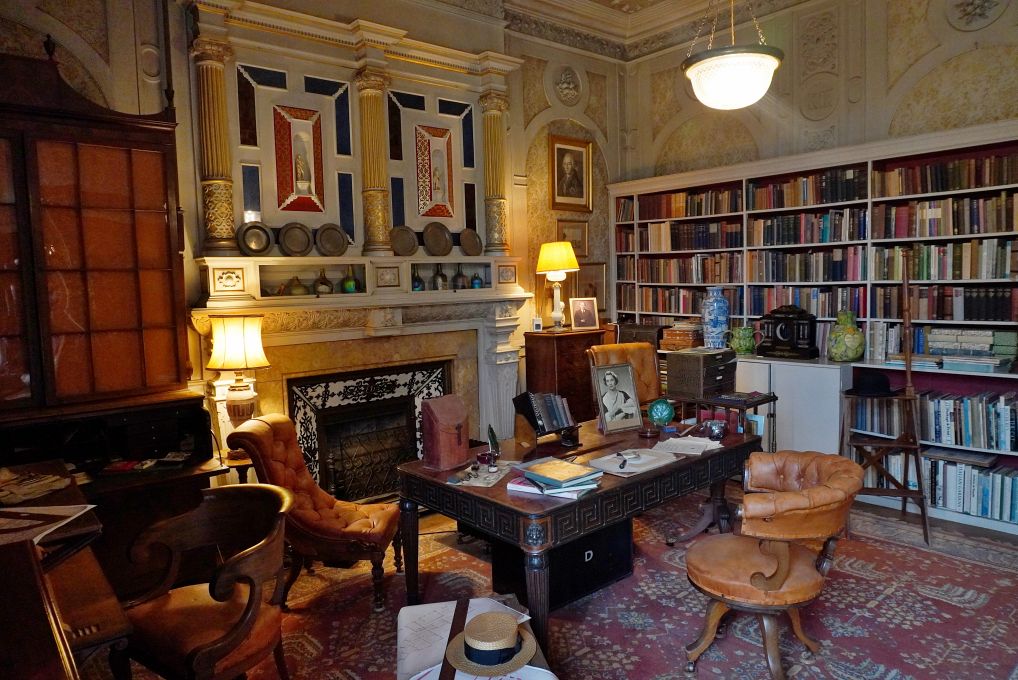
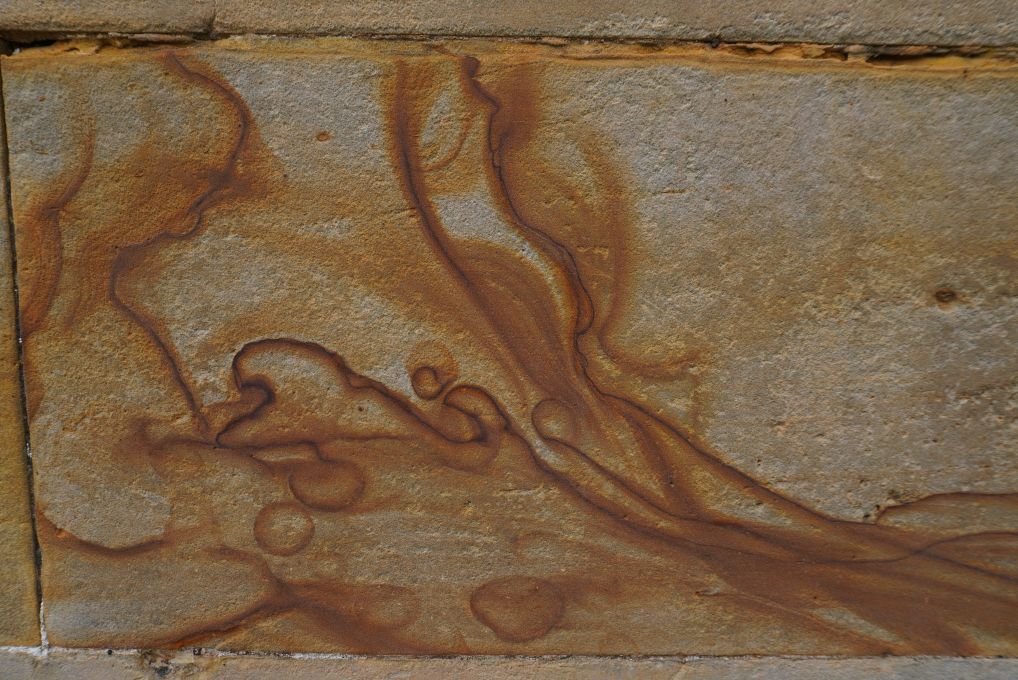
The Darrell family owned the estate for some 350 years but facing financial trouble, they eventually sold it in 1778 to Edward Hussey I, an English landowner and reputed cricket player. His grandson, Edward Hussey III, was the one to re-develop it during the mid-19th century: a new Victorian mansion, the so-called "new" castle was built on top of a hill, overlooking the valley and the romantic ruins of the "old" castle. The sandstone used in the construction of the house was quarried from the slope below and the hollow hence created was developed into a Quarry Garden. The estate remained in the hands of the family until 1970 when its last owner, Christopher Hussey left the house and estate to the National Trust, with the proviso that his wife have full use of the house, which she lived in until her death in 2006.
The entrance fee to the castle, the house, the gardens and the park was 20£ for non-members when we visited in 2025, the car park was 4.50£ (free for members but book in advance to guarantee entry during peak times). Click here for up-to-date visitor information.
Go back to Sissinghurst Castle Garden or go on to East and West Sussex or go up to Kent
$ updated from: South East England.htxt Sun 24 May 2026 15:57:34 trvl2 — Copyright © 2026 Vero and Thomas Lauer unless otherwise stated | All rights reserved $